
This post may contain affiliate links. Please read our disclosure policy.
Bao buns weren’t something I grew up eating, but once they entered my kitchen, they stayed. The first time I made them at home was honestly out of curiosity more than confidence. Soft steamed buns, sticky fillings, bold sauces. It felt like one of those dishes you usually leave to restaurants. But after a few test runs, a couple of failed folds, and more than one batch disappearing straight off the tray, they became part of our regular rotation.
These bao are the kind of food that pulls people into the kitchen. Someone always hovers, asking what’s inside, sneaking a bite of the filling before it even makes it into the bun. They’re hands-on, a little messy, and meant to be shared. I’ve served them for casual dinners, weekends when everyone’s home, and even as a build-your-own situation when friends come over and want something different from the usual spread.
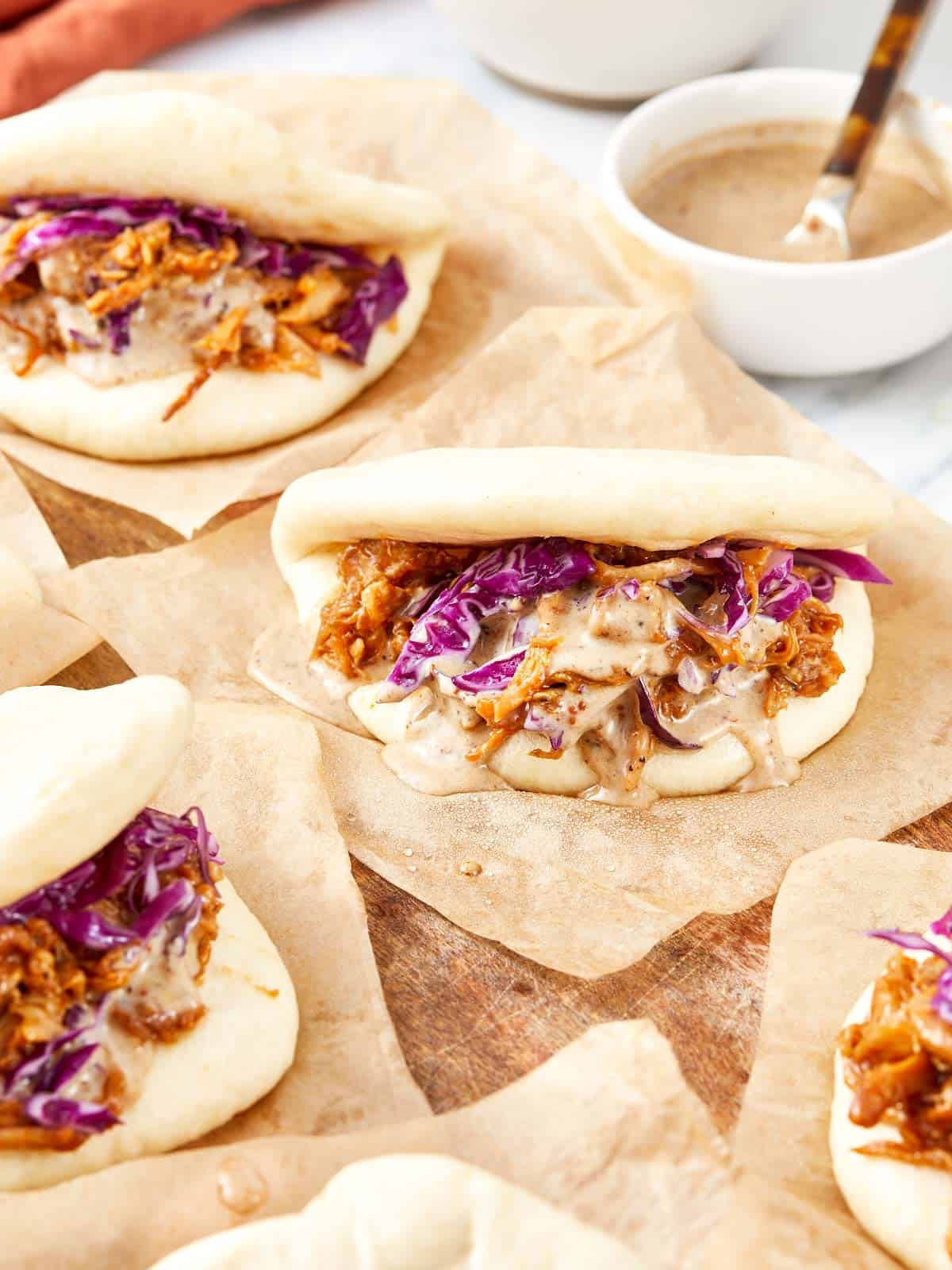
What makes this version bold isn’t just the filling. It’s the way everything comes together. Buns that don’t fall apart. A filling that’s deeply seasoned and cooked until it actually holds flavor instead of leaking it. And toppings that add contrast instead of clutter. These bao don’t need to be overloaded.
What Are Bao Buns?
Bao buns come from Chinese cooking, where steaming has always been a way to keep dough soft and gentle instead of dry or crusty. They weren’t meant to be flashy or complicated. They were meant to be practical. Warm buns, cooked with steam, ready to be filled and eaten right away.
When you make them at home, you start to understand why steaming stuck. Bao dough doesn’t want high heat. It wants patience. Steam cooks it slowly and evenly, letting the buns rise without forming a crust. That’s why they stay pale, soft, and flexible enough to fold without cracking.
The origin matters because it explains how they behave in the kitchen. Bao buns were designed to hold fillings that were rich, saucy, and deeply seasoned. A baked bun would dry out or overpower that. A steamed bun wraps around the filling instead of competing with it.
Once you’ve made them a few times, you stop thinking of bao as bread and start thinking of them as a vessel. The dough is simple, but it asks for attention. When it’s rested properly and steamed at the right moment, it does exactly what it was always meant to do.
Why This Recipe Works
The first few times I made bao buns at home, I learned quickly what doesn’t work. Too much sauce and the bun collapses. Not enough reduction and everything slides out after the first bite. I remember standing at the counter, bun in hand, watching the filling drip straight through the bottom and thinking, okay, this needs a rethink.
What finally made this recipe click was treating the filling like the main event, not something to rush through while the buns steam. Letting it cook long enough to concentrate, tasting it more than once, and stopping only when it could sit neatly on a spoon without running. Once I got that part right, the bao stopped feeling messy and started holding together the way they should.
Steaming the buns properly matters just as much. I’ve oversteamed them, understeamed them, and served them too early. When they’re warmed just until soft and pliable, they fold easily and stay intact while you eat. When they’re rushed, they tear. When they sit too long, they dry out. Timing here isn’t complicated, but it’s important.
What I like most about this recipe is how it behaves when people are involved. I’ve set these out while friends were hovering in the kitchen, filling their own buns, going back for “just one more.” The buns stay soft, the filling stays put, and no one’s plate turns into a mess halfway through. That’s how I know it works. Not because it looks good on paper, but because it survives real hands, real appetites, and a table that doesn’t sit still.
Ingredients
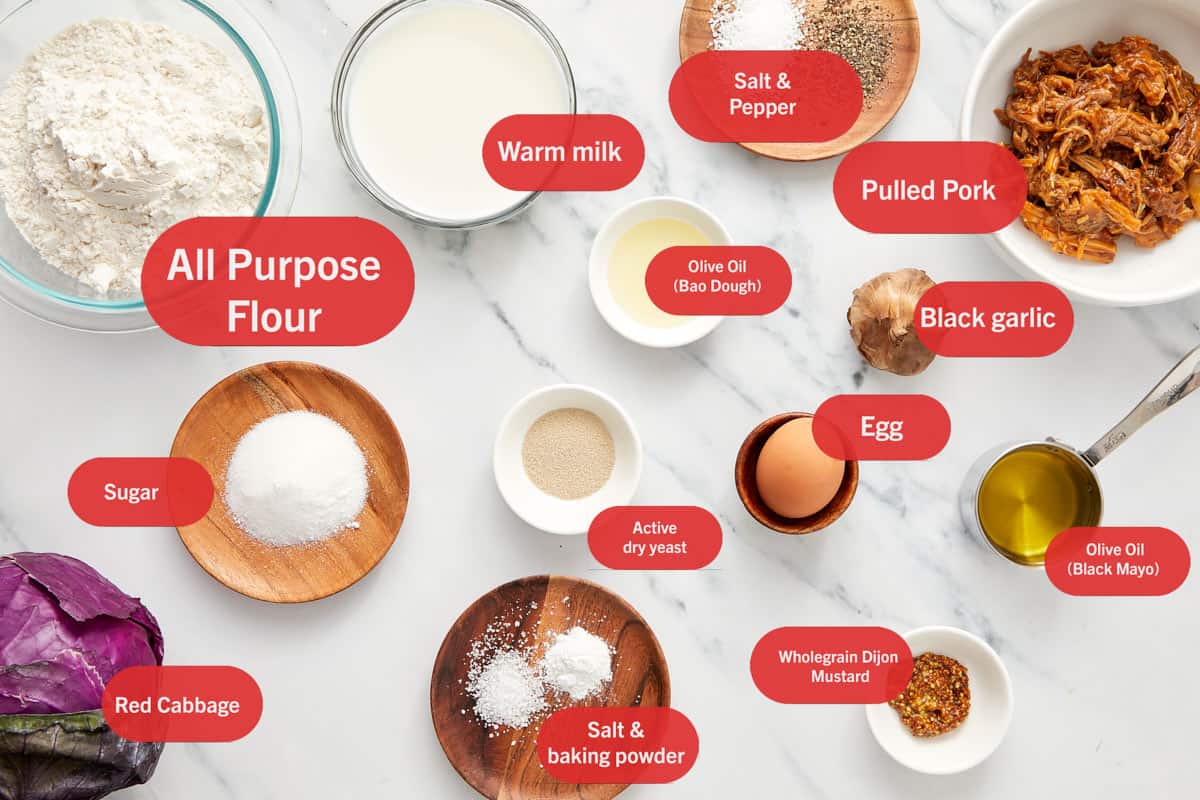
- All-purpose flour
When I first started making bao buns at home, I experimented with different flours thinking “stronger must be better.” It wasn’t. Bread flour made the dough too chewy and stiff once steamed. All-purpose flour gives just enough structure so the buns rise properly, but still stay soft and flexible when warm. That softness matters because bao are meant to be folded and eaten by hand, not pulled apart like bread. - Pulled pork
I learned quickly that not all fillings behave well inside a steamed bun. Chopped pork or sliced meat dries out fast and doesn’t stay put. Pulled pork already has the tenderness you need and reheats gently with the steam instead of fighting it. It holds flavor and actually works with the bun instead of against it. Every time I tried something firmer, the bao felt heavy and uneven. - Black garlic
I didn’t always use black garlic here. I tried raw garlic, garlic paste, and none of them gave the same result. Raw garlic was too sharp. Black garlic brings sweetness and depth without overpowering anything. It’s the ingredient that made the sauce feel intentional instead of improvised. - Olive oil
This one surprised me early on. Skipping oil in the dough made the buns dry out the moment they cooled. Too much oil made them greasy. Used properly, olive oil keeps the dough supple after steaming and helps the mayo emulsify smoothly instead of separating. It quietly does a lot of work in the background, which is usually a sign you’re using the right ingredient.
Note: See full list of Ingredients and measurements in the Recipe Card below.
What Are Bao Buns Made Of?
Bao buns are only as good as what you put inside them. I learned that the hard way. Early on, I treated the filling like a regular sandwich filling and it never worked. Too dry and the bao felt empty. Too saucy and everything leaked through the bottom before you even finished the first bite.
What works best is a filling that’s already tender, already seasoned, and doesn’t need fixing once it goes into the bun. That’s why pulled meats are such a natural fit. They reheat gently with the steam, they hold onto flavor, and they sit neatly inside the bun instead of sliding out as soon as you fold it.
Sauce matters, but it has to cling to the filling, not pool around it. When the sauce is worked into the meat instead of poured on top, every bite tastes intentional. This is where things like black garlic mayo shine. It coats instead of dripping, adds depth without overpowering, and stays put even as the bun warms up.
Texture is the final piece people forget. Without something to break that up, bao can feel heavy fast. A bit of crunch or freshness on top keeps each bite interesting and stops the whole thing from blending into one note. When that balance is right, the bao doesn’t need fixing with extra toppings or sauces. You just eat it, then reach for another one.
Substitutions and Additions
If there’s one thing bao buns have taught me, it’s that the filling has to work with the bun, not against it. Over the years I’ve swapped ingredients out of necessity, curiosity, or simply because the fridge said so, and some changes worked better than others.
If you don’t have pulled pork, shredded chicken thighs are the closest swap I’ve found. They stay moist once warmed and don’t dry out inside the bun. Lean chicken breast can work, but only if it’s shredded finely and mixed well with sauce. Otherwise it tends to feel chalky after steaming. This is the same reason I lean toward darker meat in recipes like One Pan Honey Lemon Chicken Asparagus. Texture matters more than you think.
Black garlic can feel like a stretch ingredient, but it’s doing a very specific job here. If you can’t find it, roasted garlic is your best alternative, not raw. Raw garlic in the mayo ends up sharp once warmed and takes over the whole bite. Roasting softens it enough to keep the sauce rounded. I usually roast a whole head and keep it on hand for things like this, using the same method I rely on for sauces in Creamy Lemon Parmesan Shrimp.
For added crunch, thinly sliced cucumber or quick-pickled vegetables work better than raw cabbage. Raw cabbage tends to overpower the bun and adds bulk without much payoff. A quick pickle keeps things light and adds contrast without stealing focus. This is where having a good sharp knife or mandoline really helps.
If you want to add heat, go gentle. Chili oil brushed lightly into the filling works better than heavy sauces. I learned this after one batch where the buns looked great but tasted unbalanced. A little heat tucked into the filling goes further than dumping it on top.
How To Make Bao Buns
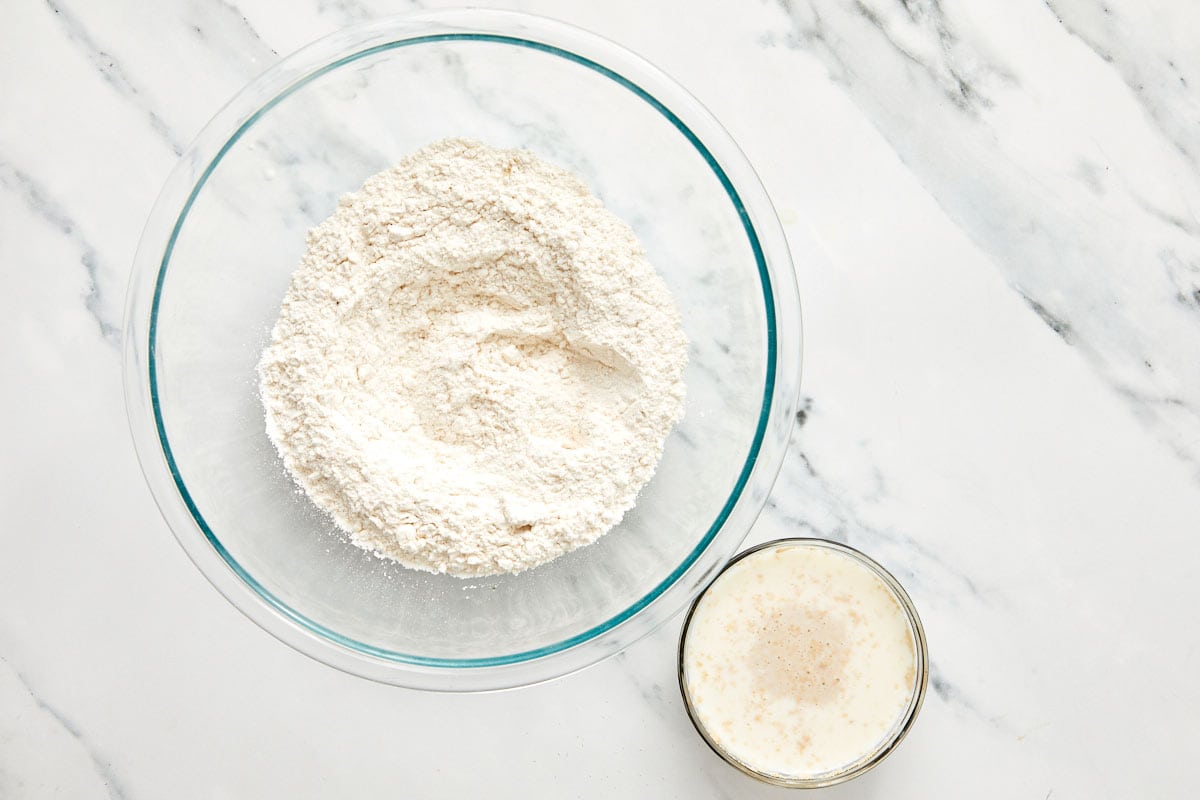
- Wake up the yeast. Mix warm milk, yeast, and sugar in a bowl. Let it sit until foamy and alive—it’s bao time.
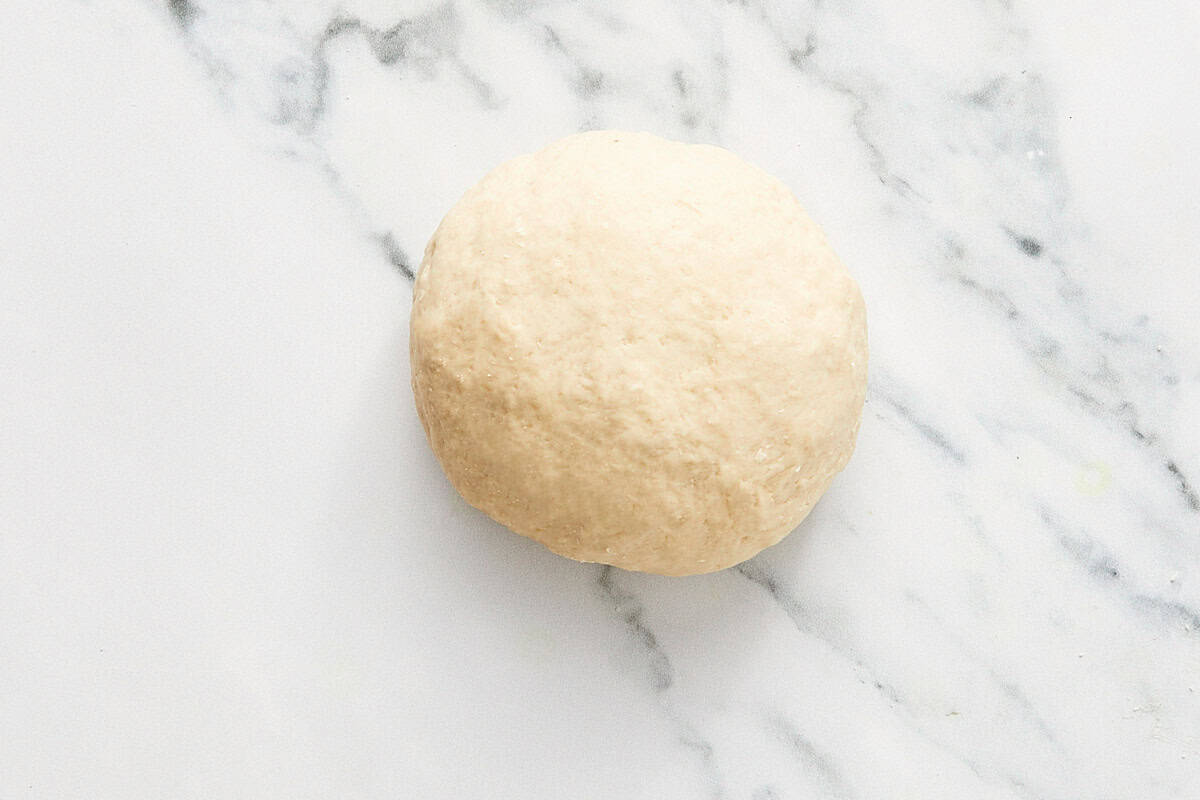
- Make that dough. Combine flour, salt, baking powder, and olive oil in another bowl. Slowly add the milk mixture and knead until you get a smooth, bouncy dough.
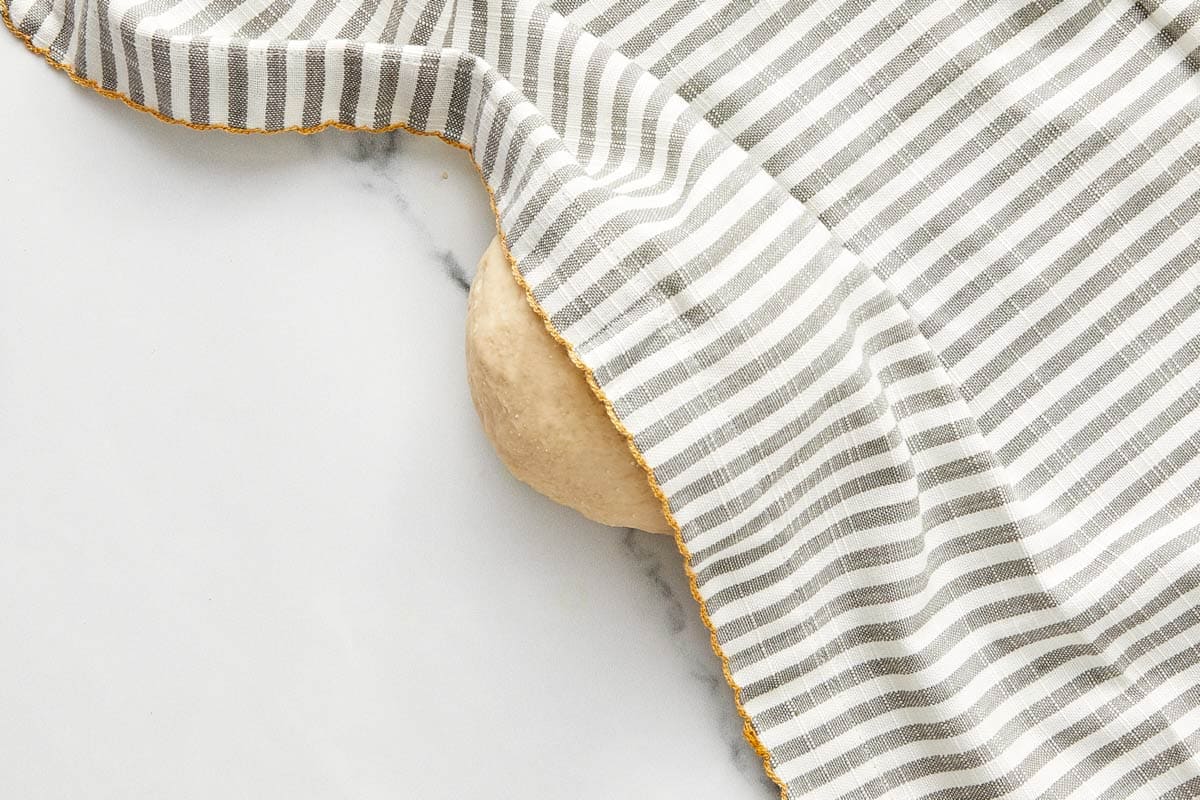
- Let it rise. Cover and let the dough rise for about 45 minutes, or until it doubles in size (yes, it’s growing into greatness).
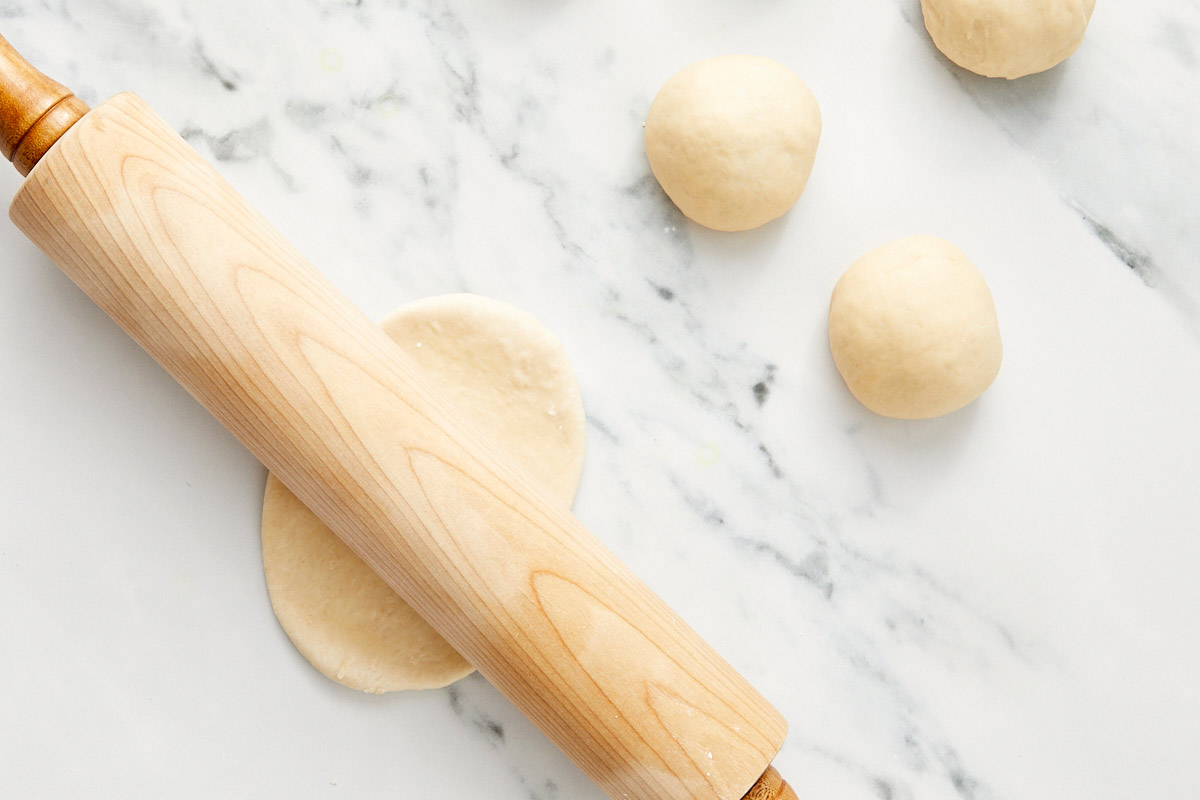
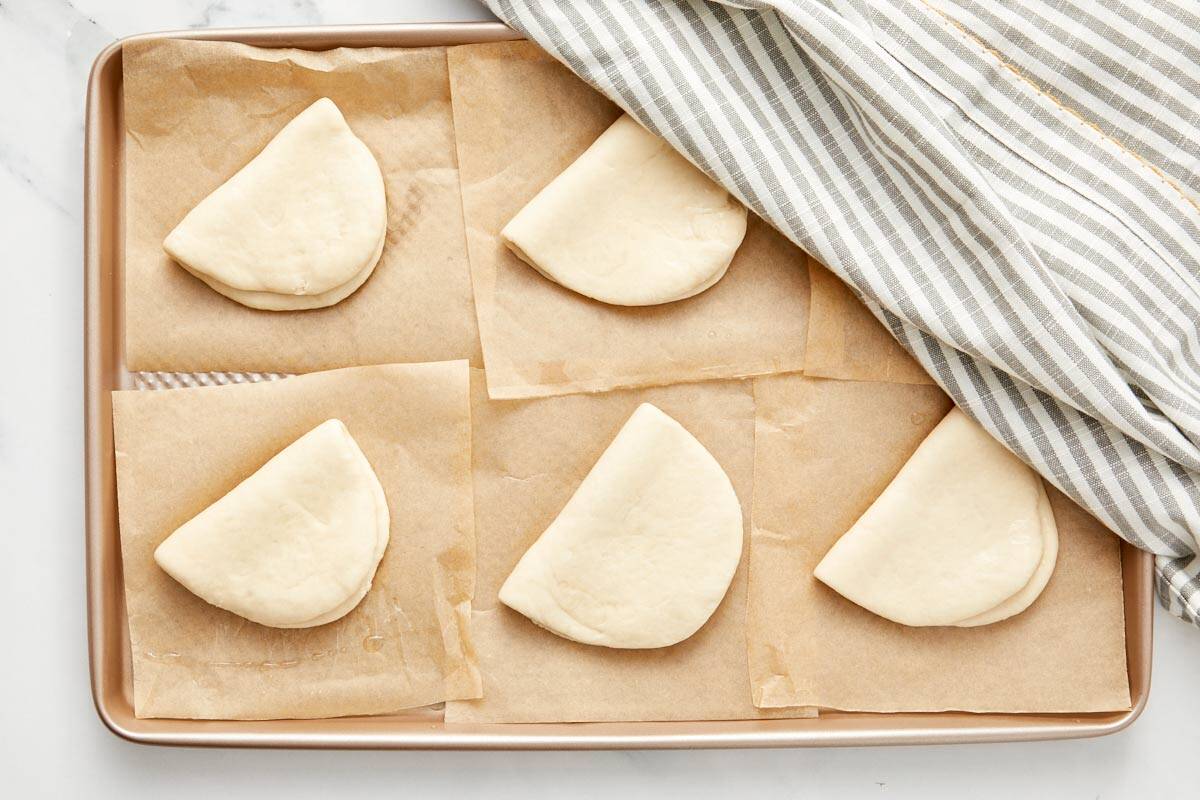
- Shape the buns. Gently punch down the dough, divide into 6 plum-sized balls, and shape each into a smooth oval. Add a little oil in the center and fold in half. Place each on parchment and cover with a towel.
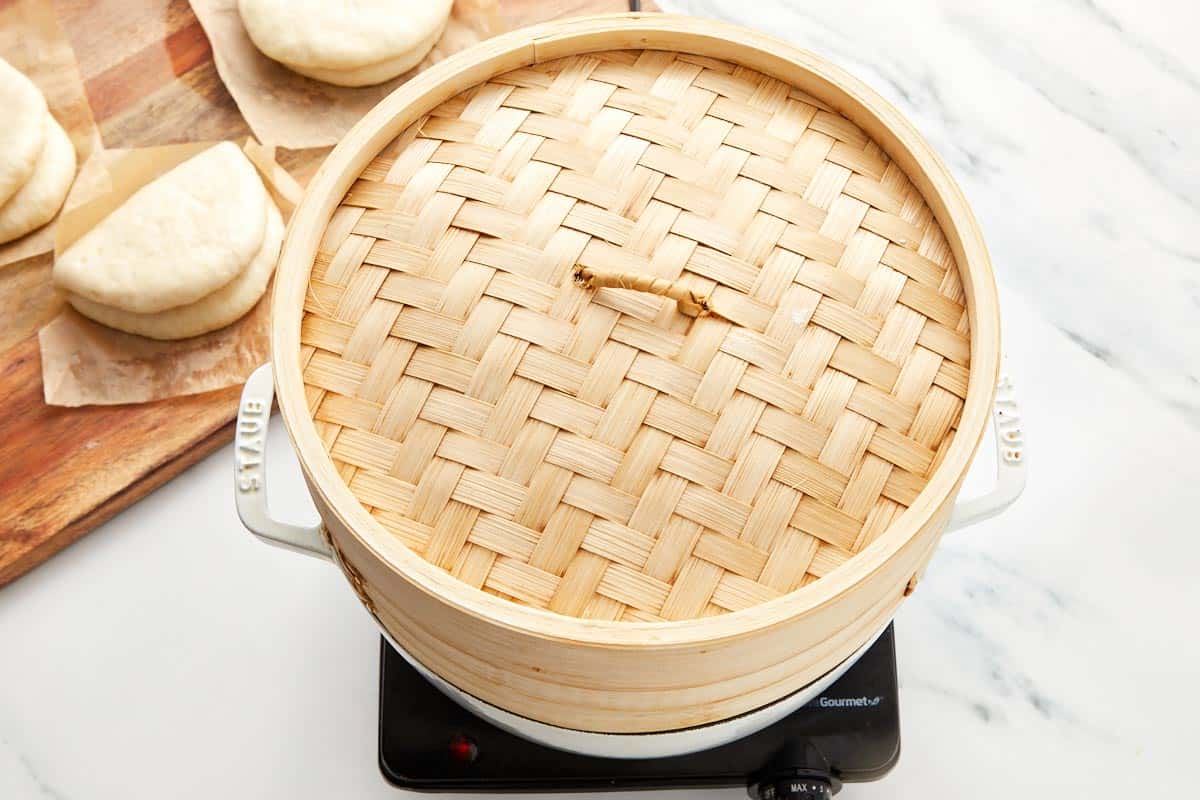
- Steam ‘til fluffy. After resting for 30 minutes, steam the buns over boiling water for 7 minutes. No peeking! Let them sit for a minute before opening.
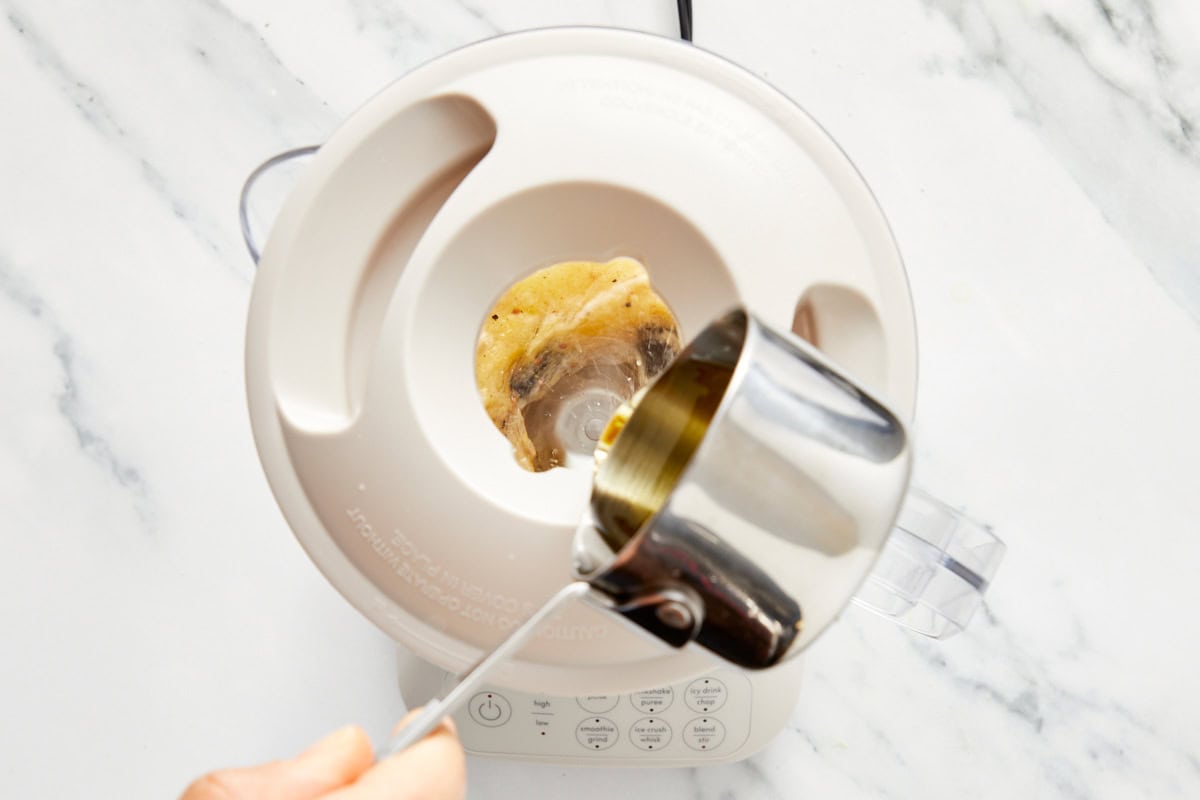
- Make the mayo. Blend the egg, black garlic, mustard, salt, and pepper. Slowly drizzle in olive oil until it turns into a creamy, dreamy spread.
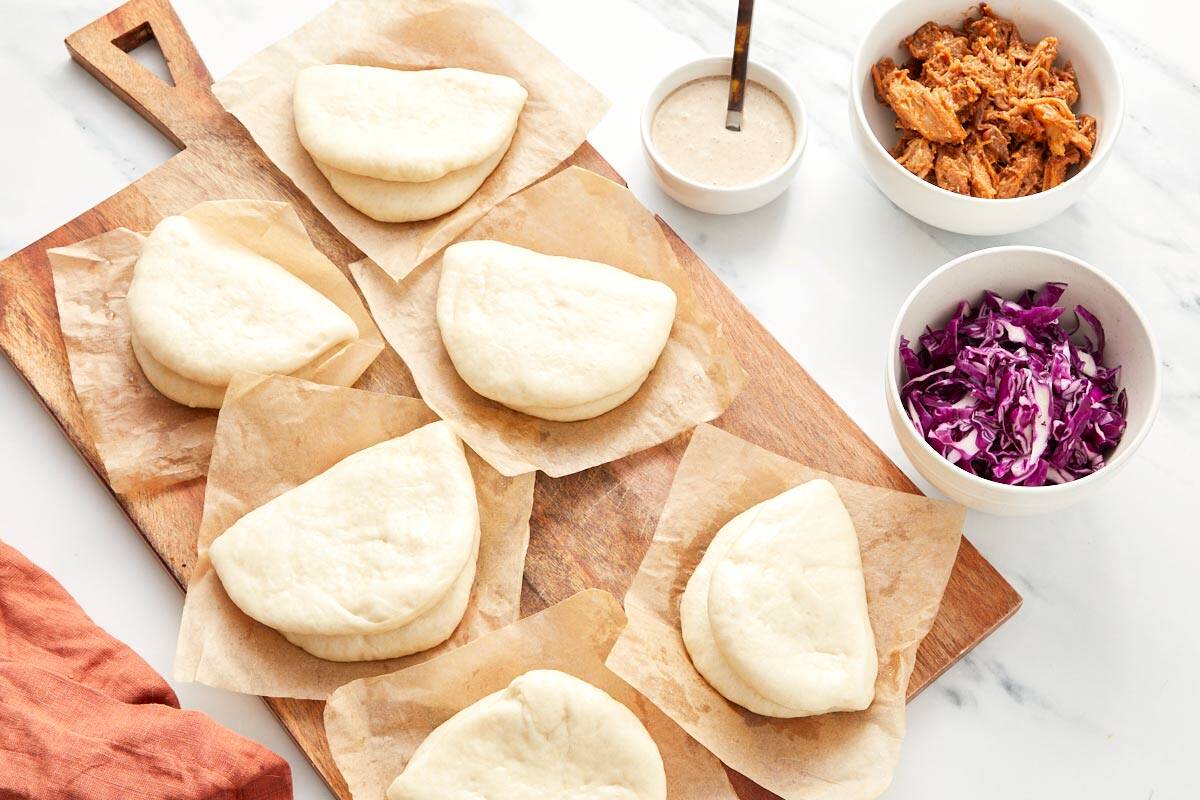
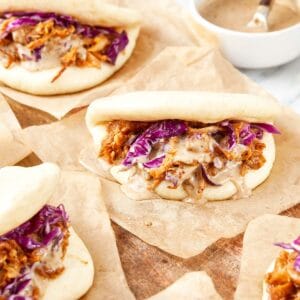
- Time to bao. Open the warm buns, fill with pulled pork, crisp cabbage, and a generous swipe of that black garlic mayo. Serve immediately and maybe keep one for yourself.
- Enjoy the bao magic. Grab a napkin (or two), take a big bite, and let the softness, smokiness, and garlicky goodness do all the talking.
These Bao Buns are already a star on their own, but if you’re in the mood for a full Chinese-inspired night, I’ve got some favorites you’ll definitely want to add to the table.
You could pair them with something like Sticky Chinese Barbecue Pork Belly, or keep it light with Cauliflower Fried Rice (Low Carb).
Want something classic? Chicken Chow Mein or Sweet and Sour Pork always delivers. And for a little extra, My Go-To Pork Dumplings never disappoint.
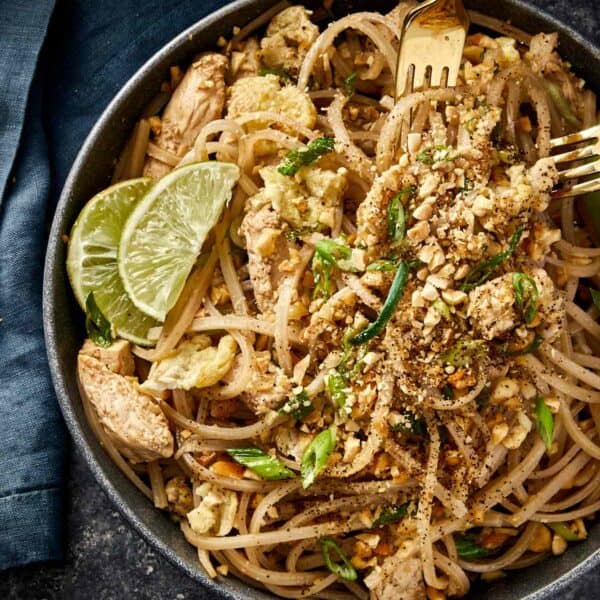
If you’re craving more Asian flavor, this is just the beginning. I’ve got a whole section waiting for you to explore, and you can’t go wrong starting with my Pad Thai With Chicken & Tofu for a flavor-packed dish.
FAQs
No steamer? No problem. Use a metal sieve, a bamboo basket, or even a heat-safe colander over a pot of boiling water. Just make sure the buns aren’t touching the water and cover with a lid!
Absolutely. Steam the buns, let them cool, then freeze in an airtight container. Reheat by steaming again for a few minutes until soft and fluffy.
Totally! Shredded chicken, tofu, crispy mushrooms, or even leftover Korean BBQ work beautifully. The buns are your canvas, go wild.
You might also like
Get a free eBook!
Subscribe to Cafe Delites FOR FREE and receive recipes straight into your inbox!
Bao Buns, But Make It Bold Recipe
Ingredients
Bao Dough
- ⅔ cup warm milk
- 1¼ tsp active dry yeast
- 1½ tbsp sugar
- 2 cups all-purpose flour
- ¼ tsp salt
- ½ tsp baking powder
- 1 tbsp olive oil
Black Garlic Mayo
- 1 whole egg
- 3-4 cloves black garlic
- ½ tsp wholegrain dijon mustard
- salt and pepper to taste
- ½ cup olive oil
Optional Filings
- pulled pork
Instructions
- In a bowl, mix warm milk, yeast, and sugar. In another bowl, combine flour, salt, baking powder, and olive oil. Add the milk mixture gradually and knead until smooth.
- Cover and let rise for 45 minutes, or until doubled in size.
- Deflate the dough by making a fist and gently pressing into the centre of the dough to release the air that has built up during fermentation. Divide into 6 balls the size of a plum (75–80 g each), fold edges inward to remove air, and roll smooth.
- Flatten each into an oval, place a small amount of oil in the centre, and fold in half. Place on parchment squares, cover with a tea towel, and rest for 30 minute
- Place in a steamer over boiling water (no touching), cover, and steam for 7 minutes. Let rest briefly before opening.
- Blend egg, garlic, mustard, salt, and pepper. Slowly stream in olive oil until thick and creamy. This will make the mayonnaise.
- Add pulled pork, chilled cabbage, and black garlic mayo to warm bao. Serve immediately.
Notes
Letting the shaped baos rest before steaming is key. It helps them puff up evenly and gives you that signature pillowy softness. Don’t Overcrowd the Steamer:
Steam in batches if needed! Giving each bun enough space prevents sticking and ensures perfect texture. Reheat Like a Pro:
Leftover bao? Re-steam for 3–4 minutes until soft again. Avoid the microwave—it dries them out. Mayo Magic:
Make the black garlic mayo ahead of time and keep it chilled. It thickens beautifully and gives the flavor time to deepen.
Nutrition
Nutrition information is automatically calculated, so should only be used as an approximation.










I made this last week, and it turned out amazing and so delicious! The black garlic mayo is incredible!!
Hi Karina, quick question, for those of us that don’t eat pork is there another meat substitute you recommend I can use instead of pork? Really want to make this but I’m afraid my family and I don’t eat pork.
Thanks so much
Hi Mimi! Of course! You can definitely use shredded chicken, tofu, or even crispy mushrooms as a great substitute for the pork in the bao buns. Enjoy!
Thank you Karina, another question, the Bao bun do I put it in the steamer with the baking paper and take it out with the paper as in keep it on the baking sheet at all times? Thanks so much
Hi Mimi, Yes, that’s exactly right! You keep the bao bun on the baking paper square when you put it in the steamer. It helps prevent them from sticking. You can use perforated paper, or just place small holes around the edges of the paper to allow steam to circulate and cook the buns properly. Or you can also cut around the buns so the paper is directly underneath each bun. Enjoy! Xx
I made these last night and I’m obsessed! The homemade bao dough was so soft and fluffy, and letting them rest that extra 30 minutes before steaming is a great tip – they puffed up perfectly like a cloud.
i love this recipe, it’s great, tasty, soft, delicious, i love buns