This post may contain affiliate links. Please read our disclosure policy.
Sweet Potatoes have many ways to be prepared. When I was looking for the perfect way to cook them without losing all their flavor, I found the BEST way to incorporate this vegetable into different everyday recipes.
Baking the sweet potatoes is my favorite way to cook them. The flavor gets deeper, the texture turns incredibly soft, and the syrup is INSANE. It’s naturally sweet, rich, and tastes so much better than boiling or rushing the process.
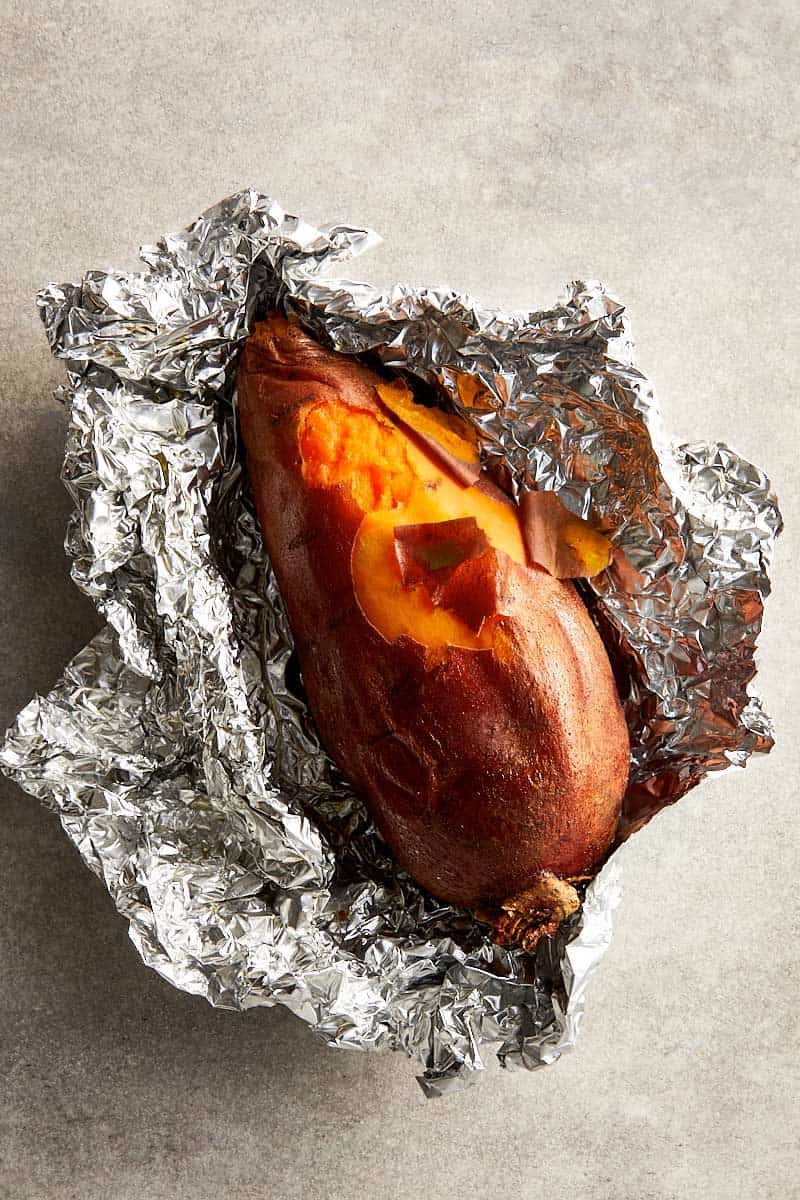
Roast, Boil and Bake. What’s the Difference?
When cooking sweet potatoes, the method you choose affects flavor, texture, time, and how you’ll use them in recipes. Here’s how each one works and what makes them different:
Roast (Roasted Sweet Potatoes)
What it is:
Roasting uses dry heat at higher temperatures, typically cut into pieces, and is tossed with oil before baking. This promotes caramelization and browning of the surface. Roasted sweet potatoes are a great plate by its own. It’s the perfect side if you want something simple, but still delicious. The texture is crispy, has that intensified natural sweetness with those caramelized edges that make you say: OH MY GOD.
Boil (Boiled Sweet Potatoes)
What it is:
Boil sweet potatoes submerged in water until tender. Skin on or off, whole or in chunks. It’s easy to do, you can even boil them in the microwave. The sweetness is more subtle, and in contrast to the roast, there’s no crispiness in this method. Boiling them creates that soft texture that lets you mash the sweet potatoes without putting a lot of effort. Also, this method may lower the glycemic impact a bit and preserve moisture, but it does not develop the same depth of flavor as dry-heat methods
Bake (Baked Sweet Potatoes)
What it is:
Baking involves cooking the sweet potato whole in the oven at a moderate temperature. Unlike roasting, it doesn’t focus on high-temperature browning. The goal is gentle, even cooking through the whole tuber. The texture is even creamier, and it concentrated natural sweetness. The main difference between boiling the sweet potato and baking it is that you when you bake it is dry, so you can really feel all the flavour and enjoy the syrup. This is the perfect base for toppings, sides or even as a brownie mixture. You can do it both, in the oven or airfryer, but my personal recomendation is ALWAYS wrap the sweet potato. To wrap it in foild while cooking, the sweet potato absorbs all the sweet substance of the vegetable.
How To Bake Sweet Potato In The Air Fryer
If you’re short on time, the air fryer is a great alternative. While it won’t create quite as much syrup as the low-and-slow oven method, it still produces a soft, tender sweet potato that works well for everyday use.
- Do not peel the sweet potato. Pierce it a few times with a fork to allow steam to escape.
- Place the whole sweet potato in the air fryer basket. Bake at 180°C (360°F) for 40–50 minutes, turning halfway through, until very soft.
- Check for doneness. A knife should slide in easily with little resistance. If needed, cook for an additional 5–10 minutes.
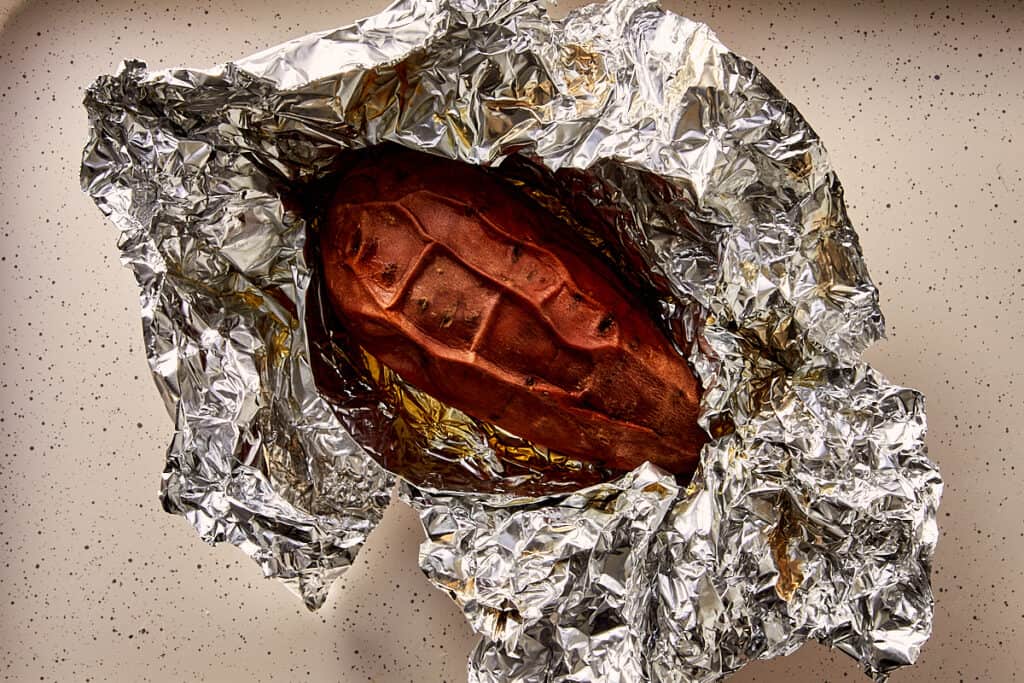
Note:
The air fryer method is faster, but the oven method creates a softer, more syrupy interior. If texture and natural sweetness are the priority, baking low and slow in the oven is still the best option.
HOW TO ROAST SWEET POTATO IN THE OVEN
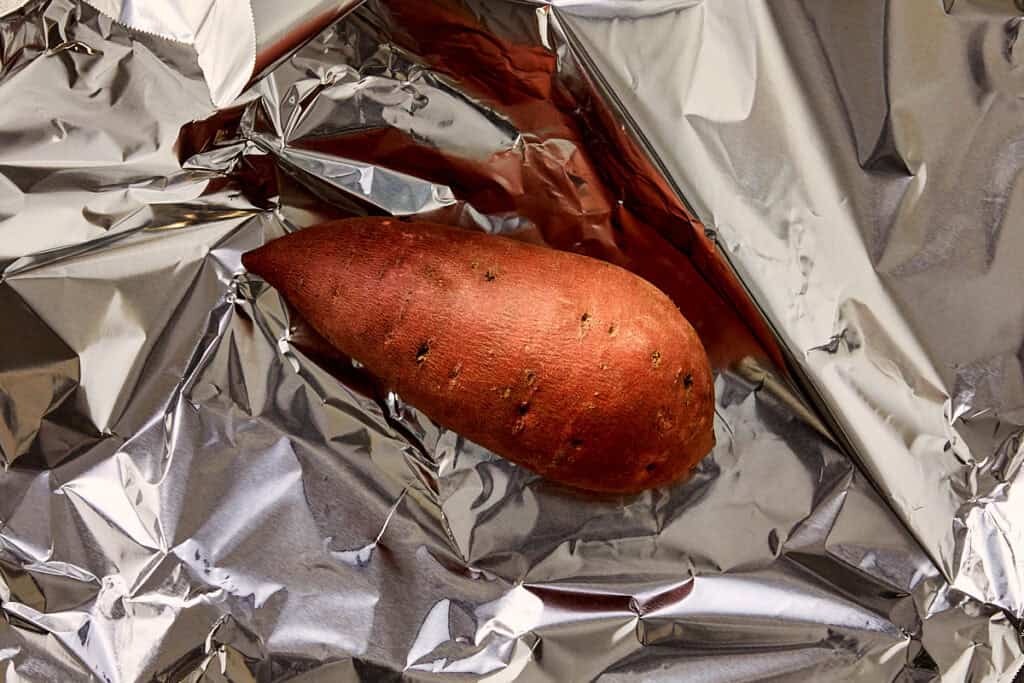
- Do not peel the sweet potato. Wrap it whole in foil and place it in a preheated oven at 160°C (350°F).
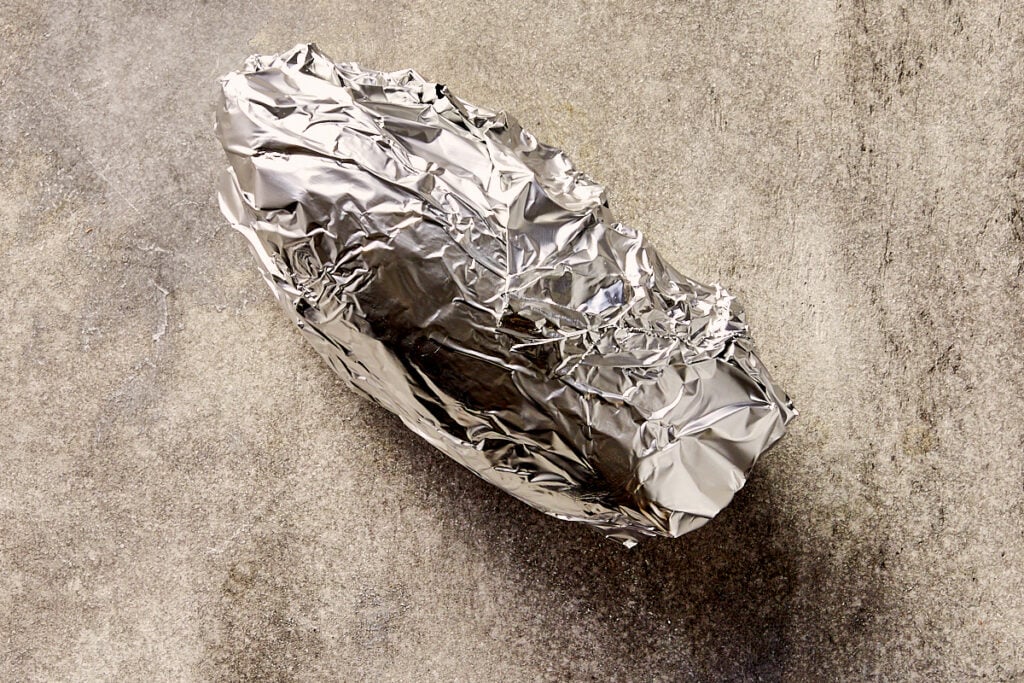
- Once foiled, bake for 90 minutes, then turn the oven off and leave the sweet potato inside the warm oven for another 60 minutes. This slow, gentle heat is what makes it fully tender and naturally syrupy.
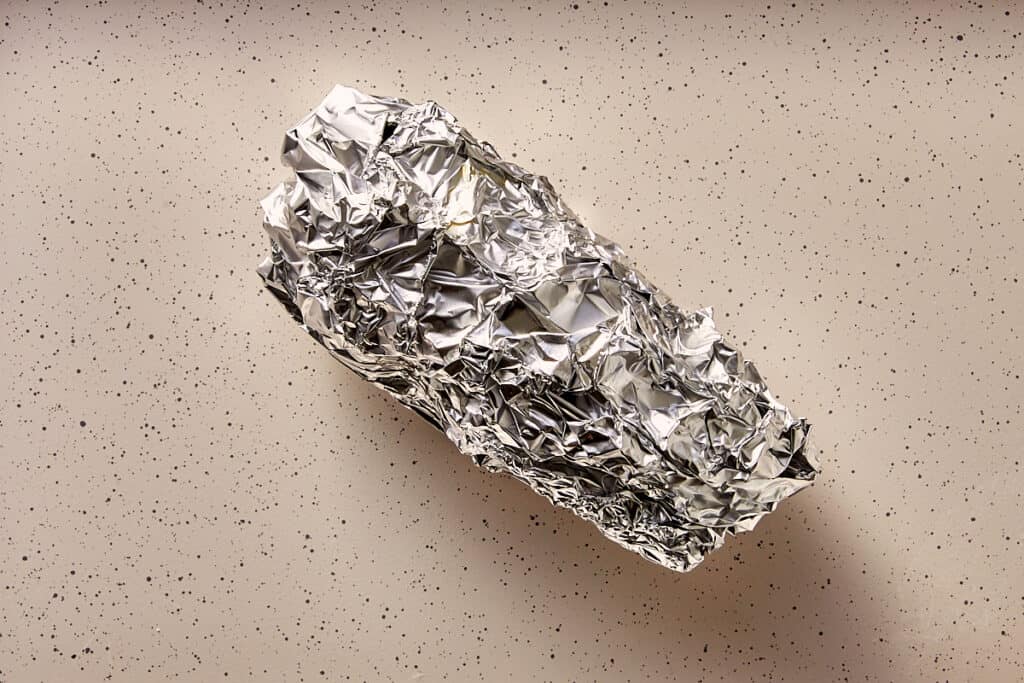
- Check the texture. Remember check the texture, it has to be moist. Carefully unwrap the foil.
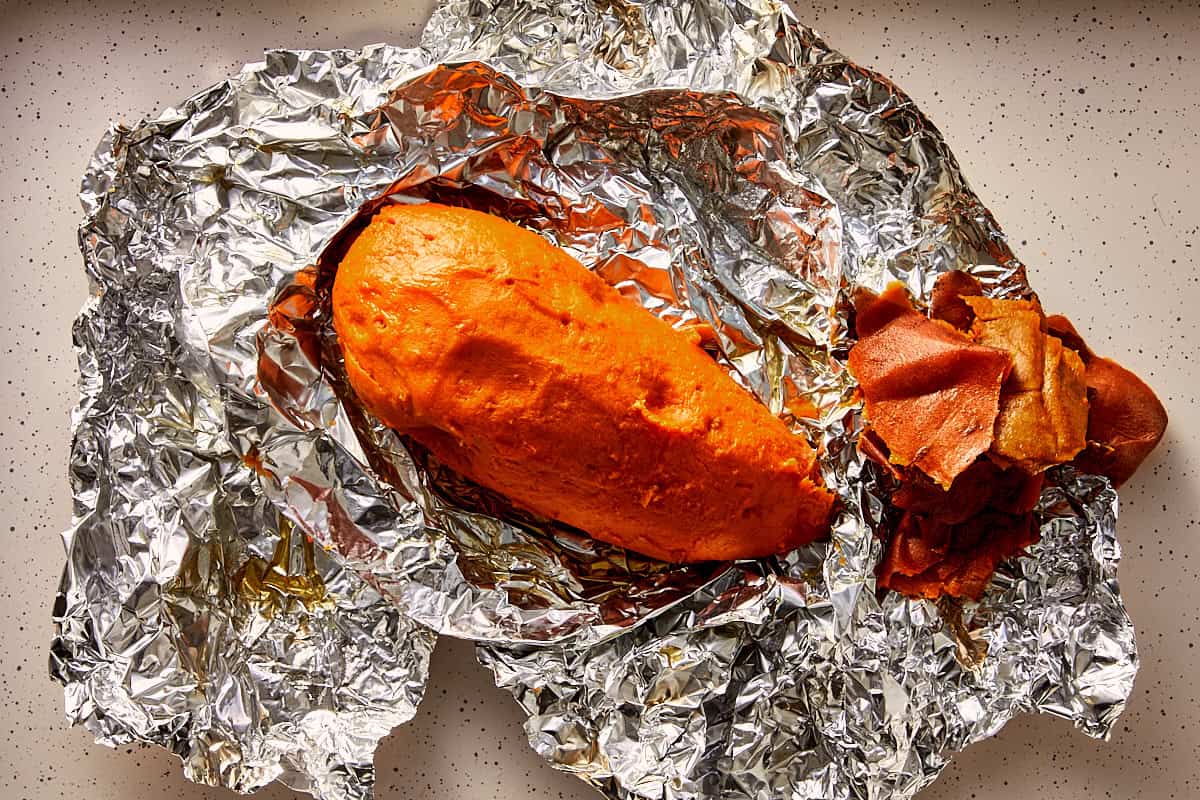
- When you cut it open, you should see natural syrup and a creamy texture. The skin should peel off easily and the inside should be extremely soft and moist.
Benefits of Baking Sweet Potatoes
Baking sweet potatoes means cooking them whole using dry heat at a moderate temperature. Instead of focusing on browning or crisp edges, this method allows the sweet potato to cook slowly and evenly from the inside.
As the flesh cooks, the texture becomes soft and creamy, and the natural sugars develop without being diluted by water. This is one of the main differences between baking and boiling, baking keeps the flavor concentrated, while boiling softens the texture but mutes the taste.
Because baking doesn’t rely on oil or water, the sweet potato keeps its structure and works well as a neutral base. It can be split and topped, served as a side, or used in recipes that need a smooth, naturally sweet ingredient.
Sweet potatoes can be baked in the oven or air fryer. Wrapping them in foil helps trap moisture and allows the flesh to cook gently, resulting in an even softer texture and deeper natural sweetness.
Once sweet potatoes are cooked this way, they can be used in a wide range of recipes. Their soft texture and natural sweetness make them easy to work with, whether they’re served on their own or combined with other ingredients.
They can be mashed and mixed into dishes like simple sweet potato cakes, where a smooth interior is important. They also hold up well when smashed and cooked again, keeping the inside soft while allowing the outside to firm up.
For heartier meals, baked sweet potatoes work well as a base for stuffed dishes or when paired with protein in simple dinners.
This baking method makes sweet potatoes a flexible ingredient that fits easily into everyday recipes.
FAQs
Baking a whole sweet potato at a low temperature takes about 90 minutes, plus additional resting time in the warm oven. This slow method allows the inside to become very soft and naturally syrupy, which doesn’t happen with faster cooking methods.
Baking sweet potatoes with the skin on helps trap moisture and allows them to cook evenly from the inside out. The skin acts as a natural barrier, keeping the flesh soft and creamy while baking. Once fully cooked, the skin peels off easily and helps preserve the texture during baking.
A baked sweet potato is done when it feels very soft when pressed and a knife slides in easily with little resistance. When you open it, the inside should be moist, tender, and syrupy, not dry or firm.
Get a free eBook!
Subscribe to Cafe Delites FOR FREE and receive recipes straight into your inbox!

HOW TO BAKE SWEET POTATO
Equipment
- foil
Ingredients
- 1 Sweet Potato
Instructions
- DO NOT PEEL.

- Wrap the whole sweet potato in foil. This is important. Wrapping the sweet potato saves all the sweetness that we need.
- Bake in preheated oven at 160c (350f) for 90 minutes.
- Turn off oven and keep it in there, warm, for a further 60 minutes. Remove the foil and check the texture, most be moist and soft.
- When you cut it open, you should see natural syrup and a creamy texture. The skin mus be easy to remove,.




Notes
– Baking low and slow is key. Higher temperatures can dry out the outside before the inside is fully tender.
– Leaving the sweet potato in the warm oven after baking helps it become extra soft and naturally syrupy.
– Once baked, the skin peels off easily, and the sweet potato can be mashed, blended, or stored for later use.
Nutrition
Nutrition information is automatically calculated, so should only be used as an approximation.