
This post may contain affiliate links. Please read our disclosure policy.
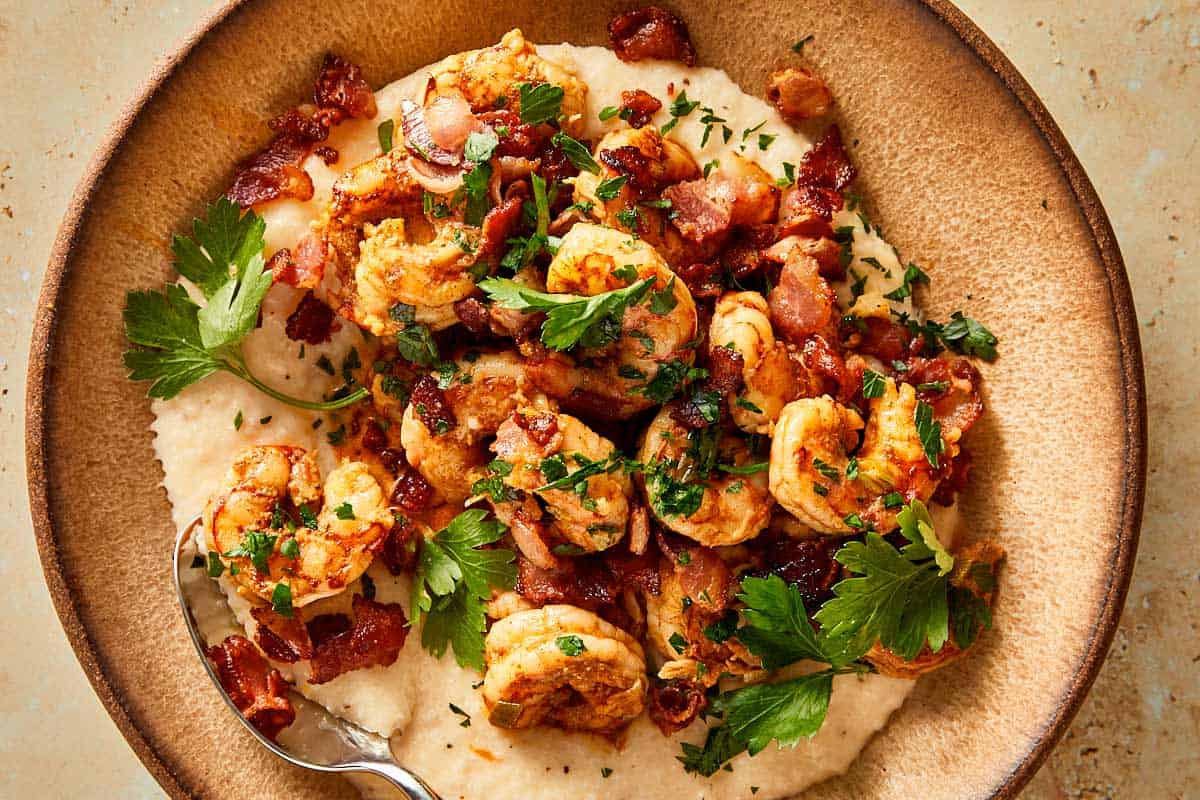
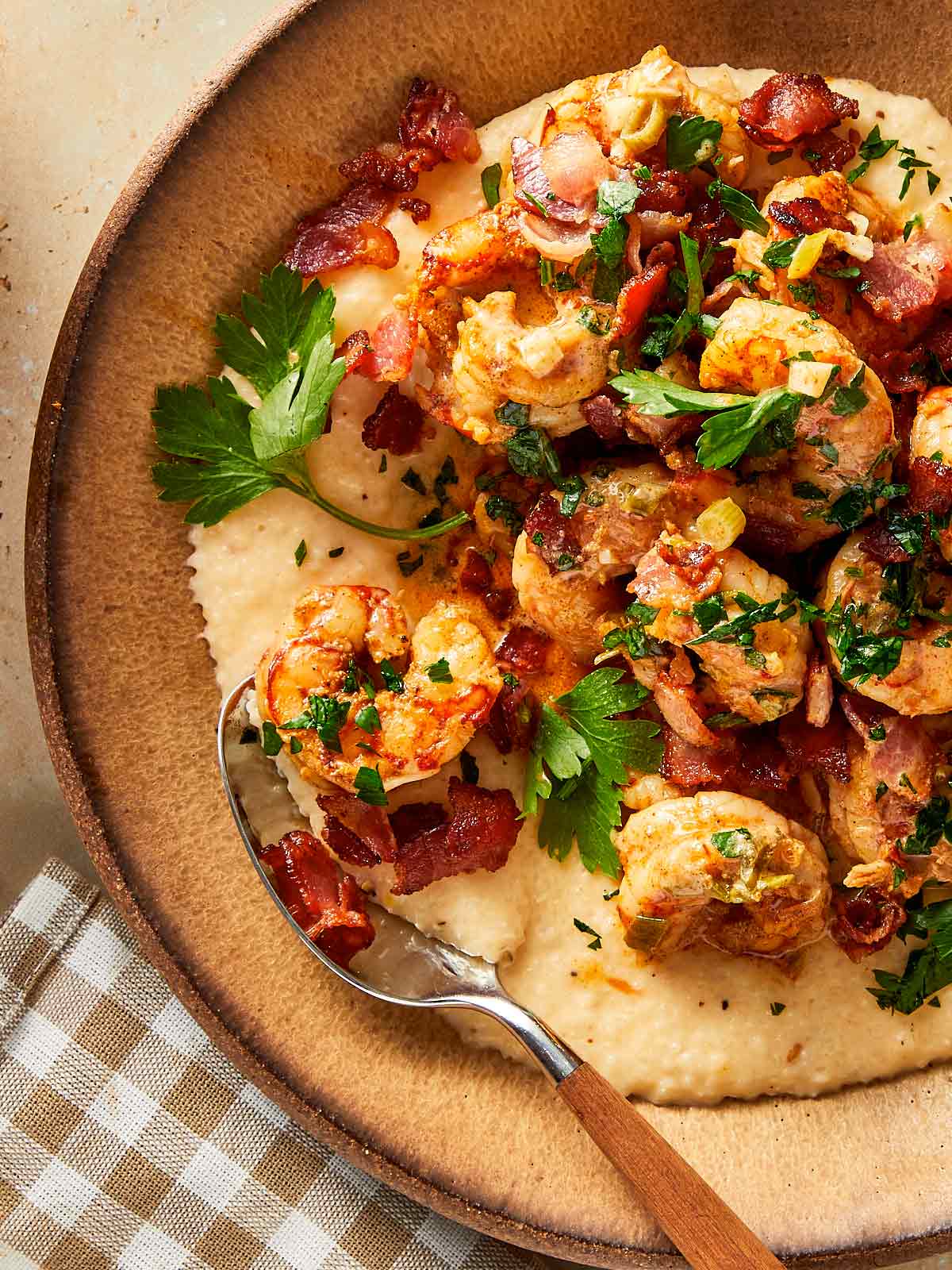
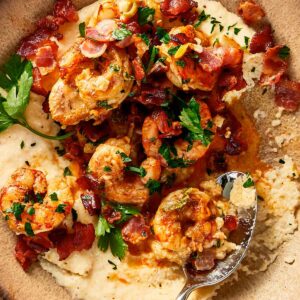
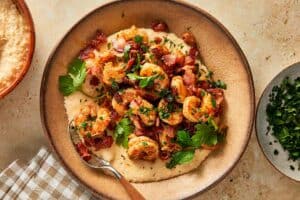
Making an authentic southern shrimp and grits recipe at home usually means standing over the stove for hours, but you can get that exact same iconic flavor on the table in 30 minutes. The secret is knowing how to make shrimp and grits using quick grits while still building a tasty gravy. You get plump shrimp coated in a smoky, bacon-infused sauce spooned over a bowl of smooth cheese grits.
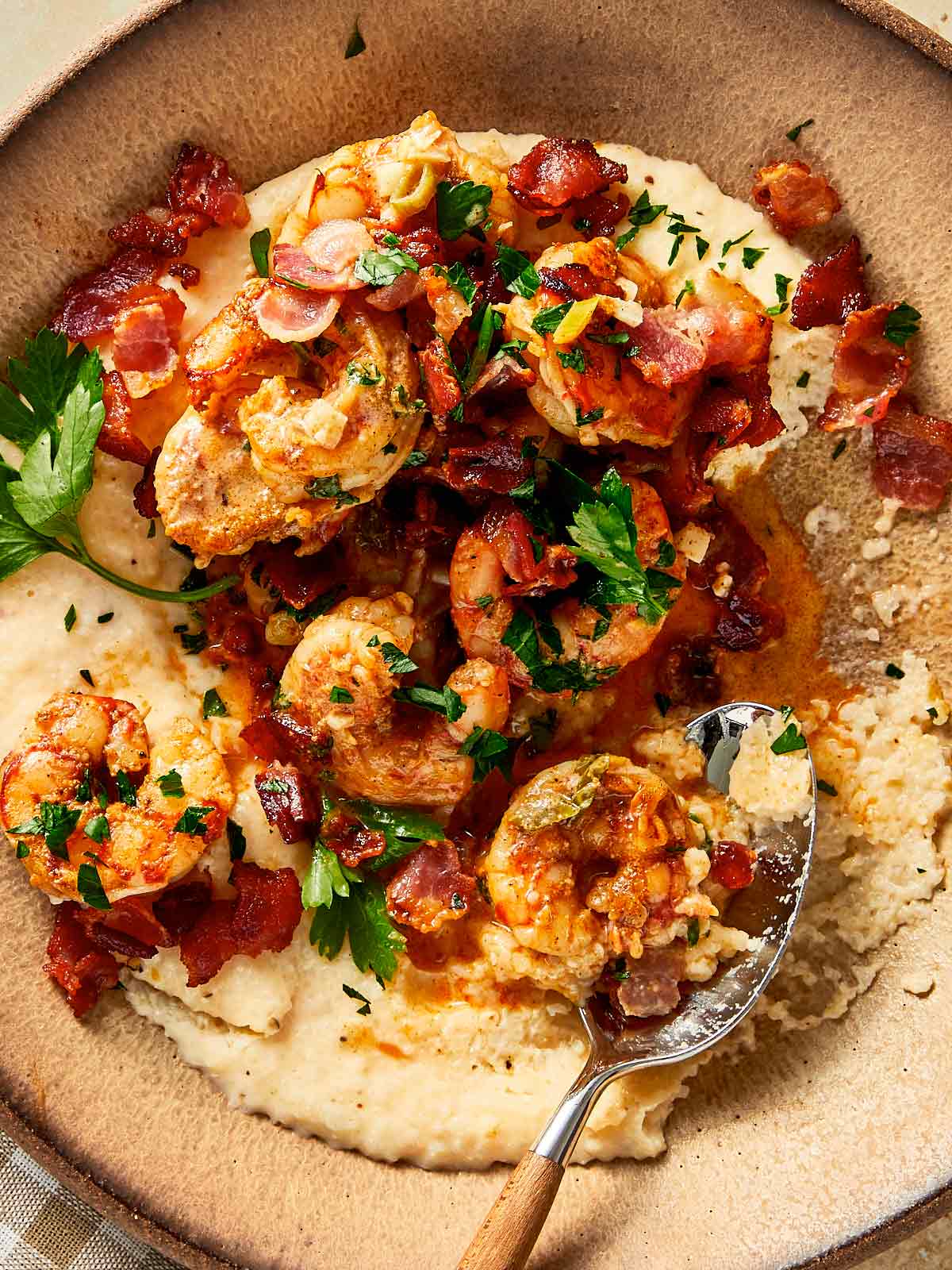
Why This Recipe Works
The first time I tried a traditional New Orleans shrimp and grits recipe was on a trip to New York with some close friends. Even though I was sitting in a nice restaurant, the entire meal felt like eating at a family table. It delivered the flavor of an entire culture on one plate. I wanted to understand how a meal like that came to be, so I looked into the history behind it.
What are Shrimps and Grits?
The roots of shrimp and grits go deep into the coastal South, originating as a humble breakfast tied to the painful realities of slavery. Enslaved African Americans in the Lowcountry combined their limited cornmeal rations with fresh shrimp caught in local creeks. That history is exactly why the food feels so grounded today. For generations, it remained everyday home cooking before chefs eventually brought it to restaurant tables. It carries a mix of cultures, survival, and deep tradition in one hot bowl. Best of all, this recipe lets you bring that authentic, historical flavor into your own kitchen in just 30 minutes.
Ingredients
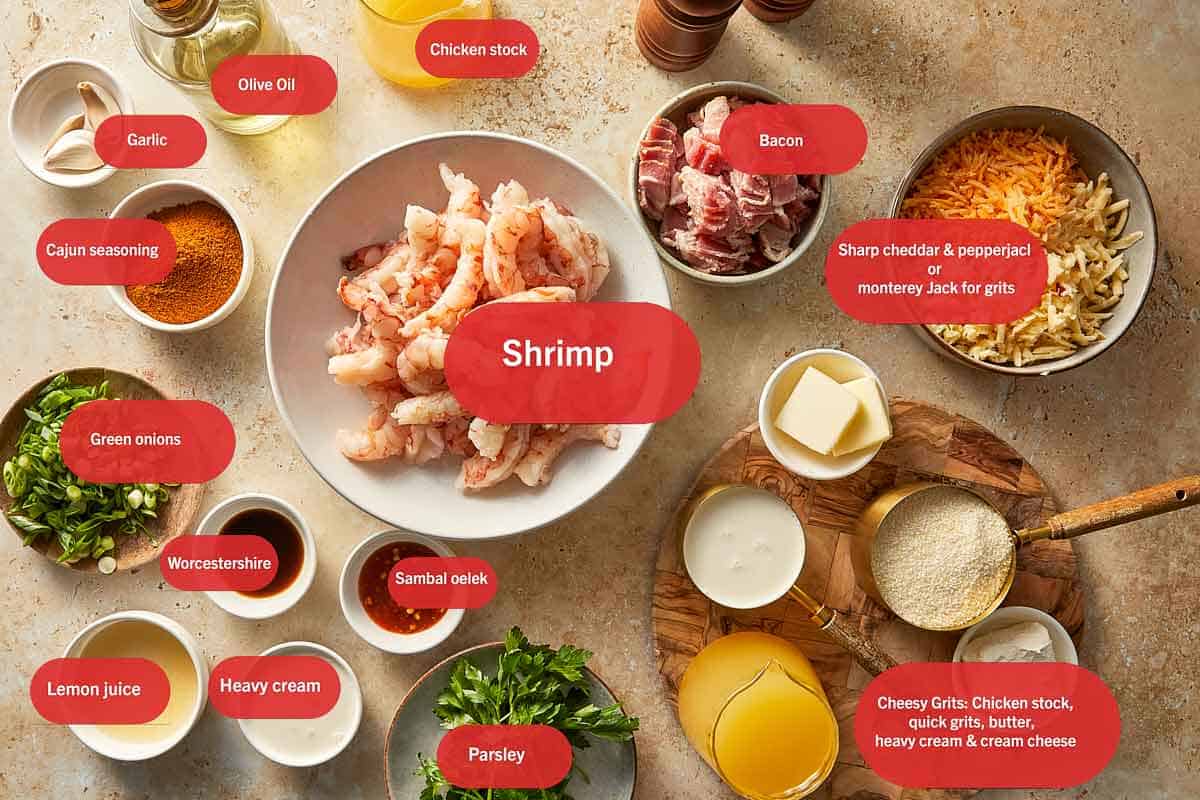
- Shrimp/Prawn: Shrimp, prawn, however you call them, we are looking for the BIG ONES here. Large shrimp hold more juice and deliver much more flavor to the final plate. Small shrimp tend to overcook very fast and dry out, so they are not what we want for this recipe.
- Chicken Stock: Using stock builds a deep, savory base for both the gravy and the grits, offering much more flavor than just using water. You can easily substitute it with regular chicken broth. Both work just as well in this recipe, so just make sure to use a good quality brand.
- Bacon: Bacon is a core component, which is why cooking it is the very first step. We need the rendered bacon fat to cook the seafood in. This infuses the shrimp and the gravy with a rich, smoky flavor right from the start. You want to cook the bacon until it is browned and firm, saving the meat to sprinkle on top at the end.
- Quick Grits: Quick grits give you a smooth texture in a fraction of the time. You can substitute them with regular grits or polenta, though keep in mind they will require more time on the stove. You must avoid instant grits completely. Instant grits result in a gummy, unappealing texture, have a muted flavor, and suffer from nutrient loss during processing.
Note: Find the full list of ingredients and measurements in the Recipe Card.
How to Make Shrimp and Grits
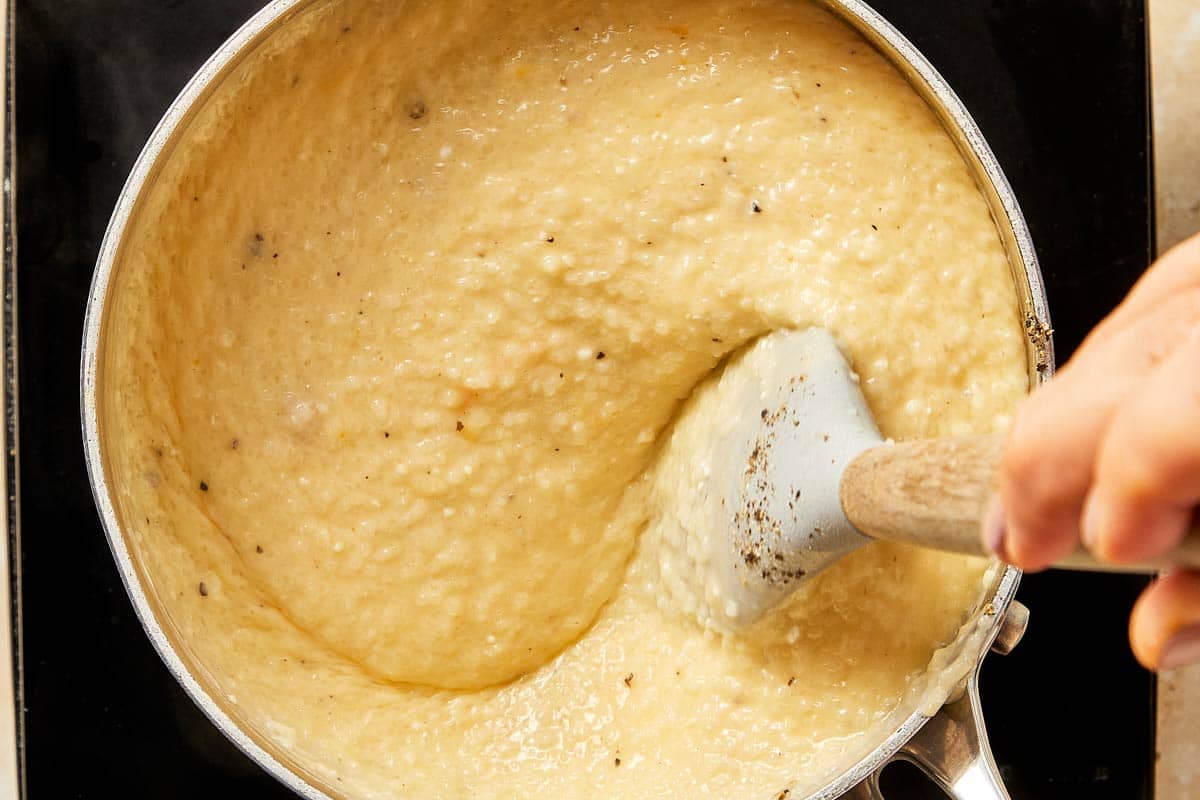
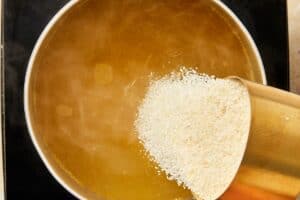
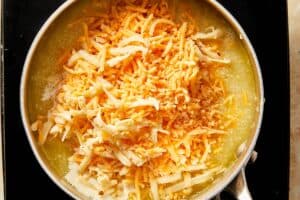
Start with the chicken stock to a boil, whisk in the quick grits, and simmer for five minutes until tender. Stir in the butter, heavy cream, and all the cheeses. A great trick here is using a potato masher to break down the softened cream cheese and remove any cornmeal lumps quickly. Season with salt and pepper, adjust the thickness with a splash of extra stock if needed, and cover the pot to keep it warm.
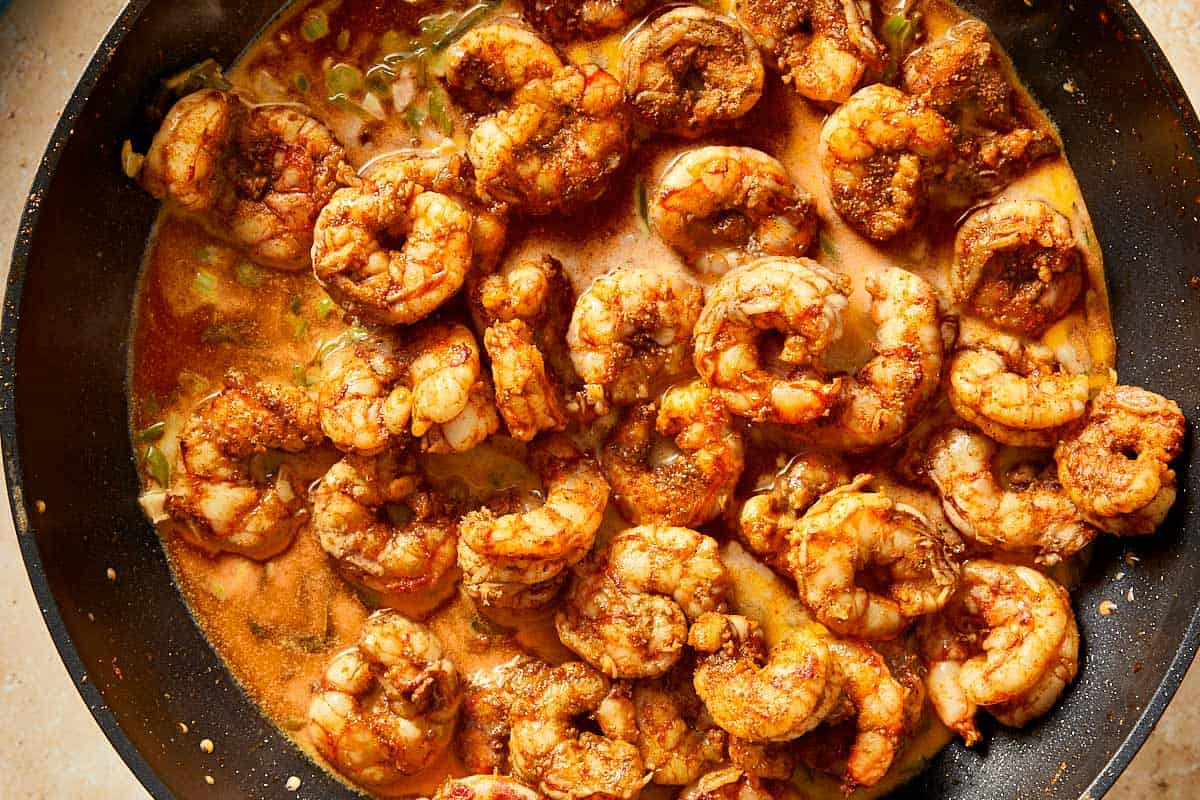
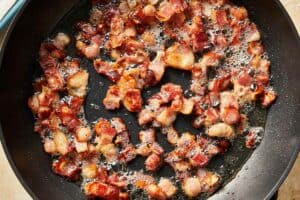
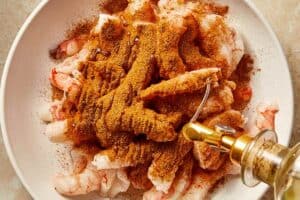
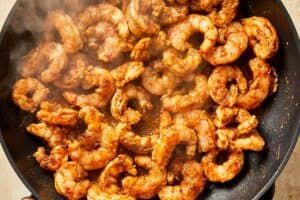
Cook the diced bacon in a large pan until browned. Move the bacon to a paper towel, leaving half the rendered fat in the pan. Toss the shrimp with olive oil and Cajun seasoning, then sear them in the hot bacon fat for two minutes per side until opaque and pink. Set the shrimp aside.
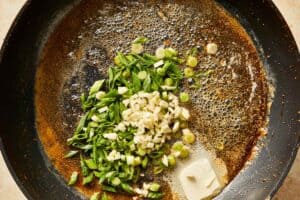
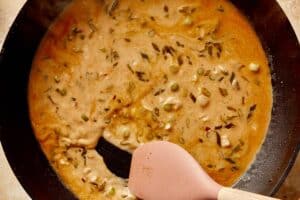
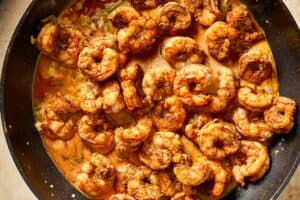
In the same pan, melt the butter and cook the garlic and scallions until fragrant, followed by the sambal oelek. Pour in the chicken stock, scraping up all the browned bits from the bottom. Whisk in the lemon juice, Worcestershire sauce, and heavy cream, letting it simmer and reduce into a rich gravy. Toss the shrimp and parsley back into the pan to coat them in the sauce. Serve the warm cheese grits in bowls, topped with the saucy shrimp and reserved bacon.
Expert Tips for the Best Shrimp and Grits
Watch the heat with the cream: When adding the heavy cream and lemon juice to build the gravy, make sure the stove is set to a low simmer. Boiling dairy rapidly with acidic ingredients like citrus can cause the sauce to separate or look grainy.
Pat the seafood dry: Before tossing the shrimp with olive oil and Cajun seasoning, use a paper towel to pat them completely dry. Any excess water will cause the shrimp to steam in the pan rather than getting a proper sear in the hot bacon fat.
Prevent a film on your grits: As cheese grits sit off the heat, they quickly form a thick skin on top. If your grits finish cooking before your gravy is done, press a piece of plastic wrap or parchment paper directly against the surface of the grits before covering the pot with a lid.
Prep everything before you start: This recipe moves very fast once the bacon is done. Have your garlic minced, scallions sliced, and liquids measured out in small bowls right next to the stove. This prevents the garlic from burning while you stop to measure the chicken stock.
What to Serve With Shrimp and Grits
Because shrimp and grits is a heavy, filling dish by itself, I recommend pairing it with a fresh side to balance the rich cheese and bacon. Here are a few great options to serve alongside it:
- Fresh Salads: A simple tomato salad brings a bright acidity that cuts right through the savory gravy.
- Roasted Vegetables: Roasted carrots or mushrooms are easy, hands-off sides that pair well with the flavors of the dish.
- Green Sides: Sugar snap peas are a great choice if you want to add a fresh green vegetable to the plate.
- Traditional Pairings: If you are planning a full Juneteenth commemoration table, a classic potato salad is an essential addition that cannot be missed.
FAQs
Yes, frozen shrimp work very well. Just make sure to thaw them completely before cooking. The best way to do this is to leave them in the fridge overnight. If you are short on time, you can submerge them in a sealed bag in a bowl of cold water for about 20 minutes. Pat them completely dry before seasoning so they sear properly in the pan instead of steaming.
Grits thicken very fast as they cool down. If they sit on the stove while you finish the seafood gravy, they might become stiff. To fix this, just place the pot back over low heat and stir in a splash of warm chicken stock or cream until they loosen up and return to a smooth texture.
Both are made from ground corn, but they use different types of corn. Grits are traditional to the Southern United States and are usually made from white dent corn, which gives them a softer, smoother texture. Polenta is an Italian ingredient made from yellow flint corn, which has a coarser grind and a firmer bite. You can use quick-cooking polenta in this recipe if you are in a pinch, but the texture will be a bit more coarse.
You can, but it is not recommended if you want the most flavor. Chicken stock adds a savory, seasoned base to the cornmeal that water simply cannot provide. If you do not have stock on hand, you can use chicken broth or a mix of water and milk, but stick to stock for that authentic taste.
You might also like
Get a free eBook!
Subscribe to Cafe Delites FOR FREE and receive recipes straight into your inbox!
Southern Shrimp and Grits Recipe
Ingredients
Shrimp and Sauce
- 5 strips bacon diced
- 2 tbsp cajun seasoning
- Olive oil
- Salt and pepper to taste
- 1.5 lb large shrimp peeled and deveined
- 2 tbsp butter
- 3 cloves garlic minced
- 3 scallions thinly sliced (white and green parts)
- 1 tbsp sambal oelek chili paste
- 1/3 cup chicken stock
- 1 tbsp fresh lemon juice
- 1 tsp Worcestershire sauce
- 2 tbsp heavy cream
- 2 tbsp freshly chopped parsley
Cheesy Grits
- 3 cups chicken stock
- 1 cup quick grits avoid instant; regular grits or polenta work too
- 3 tbsp butter
- 1/2 cup heavy cream
- 2 oz cream cheese softened
- 3/4 cup sharp cheddar shredded
- 3/4 cup pepper jack or monterey jack, shredded
- Salt and pepper to taste
Instructions
- Prepare the grits by bringing the chicken stock to a boil over medium-high heat. Slowly add the grits, whisking constantly to prevent clumping. Reduce heat to medium-low and cook until tender (about 5 minutes).

- Stir in butter, heavy cream, cream cheese, and shredded cheeses. Mix until melted and smooth. Season with salt and pepper. Adjust consistency with extra cream or stock if needed. Cover and keep warm.
- In a large pan, cook diced bacon until crispy. Transfer to paper towels and reserve.
- Toss shrimp with a drizzle of olive oil, then season evenly with cajun seasoning.
- Cook shrimp in the bacon fat over medium heat, about 2 minutes per side, until no longer opaque. Remove and set aside.
- In the same pan, add butter, garlic, and scallions. Cook until fragrant, about 2 minutes. Add sambal oelek and cook for another minute.
- Pour in chicken stock and scrape up browned bits from the pan. Add lemon juice, Worcestershire sauce, and cream. Whisk until the sauce comes together. Taste and adjust seasoning.
- Return shrimp to the pan, add parsley, and toss to coat.
- To serve, spoon grits into bowls, top with shrimp, drizzle with sauce, and finish with crispy bacon and extra parsley.
Notes
Storage, Reheating, and Make Ahead
Because seafood cooks fast and cheese sets up as it cools, this meal is best enjoyed immediately. If you want to get a head start on prep, you can chop your bacon, mince the garlic, and slice the scallions ahead of time. If you have leftovers, make sure to get them into the refrigerator within two hours of cooking. Seafood and heavy dairy are highly perishable and spoil quickly at room temperature, so prompt refrigeration is essential for food safety. Store the cooked grits and the saucy shrimp in separate airtight containers in the fridge for up to three days. Keeping them separate prevents the cornmeal from soaking up all the savory gravy while they sit. I do not recommend storing this meal in the freezer, as the cream and cheese will separate and become grainy once thawed. When you are ready for leftovers, keep these reheating details in mind:- Reheating the grits: Cold cheese grits will solidify in the fridge. Warm them in a saucepan on the stove over low heat, stirring in a splash of chicken stock or milk until they loosen up and become smooth again.
- Reheating the shrimp: Warm the seafood and gravy in a skillet over medium-low heat just until heated through. High heat or microwaves will overcook the shrimp and turn them rubbery.
Nutrition
Nutrition information is automatically calculated, so should only be used as an approximation.










First time making shrimp and grits for my family and they were blown away.
Oh my goodness! This is my first time making Shrimp and Grits myself. This recipe is delicious and decadent. Better than any restaurant I’ve eaten at. 😍
Dear Karina,
At last I have found out how to make Grits. and have succeeded right from scratch. A super quick meal after a busy day. Thank you.
Regards,
Brian