This post may contain affiliate links. Please read our disclosure policy.
Full guide to authentic Salvadoran pupusas at home in just one place! No more looking in a hundred different places, because learning how to make pupusas has never been EASIER.
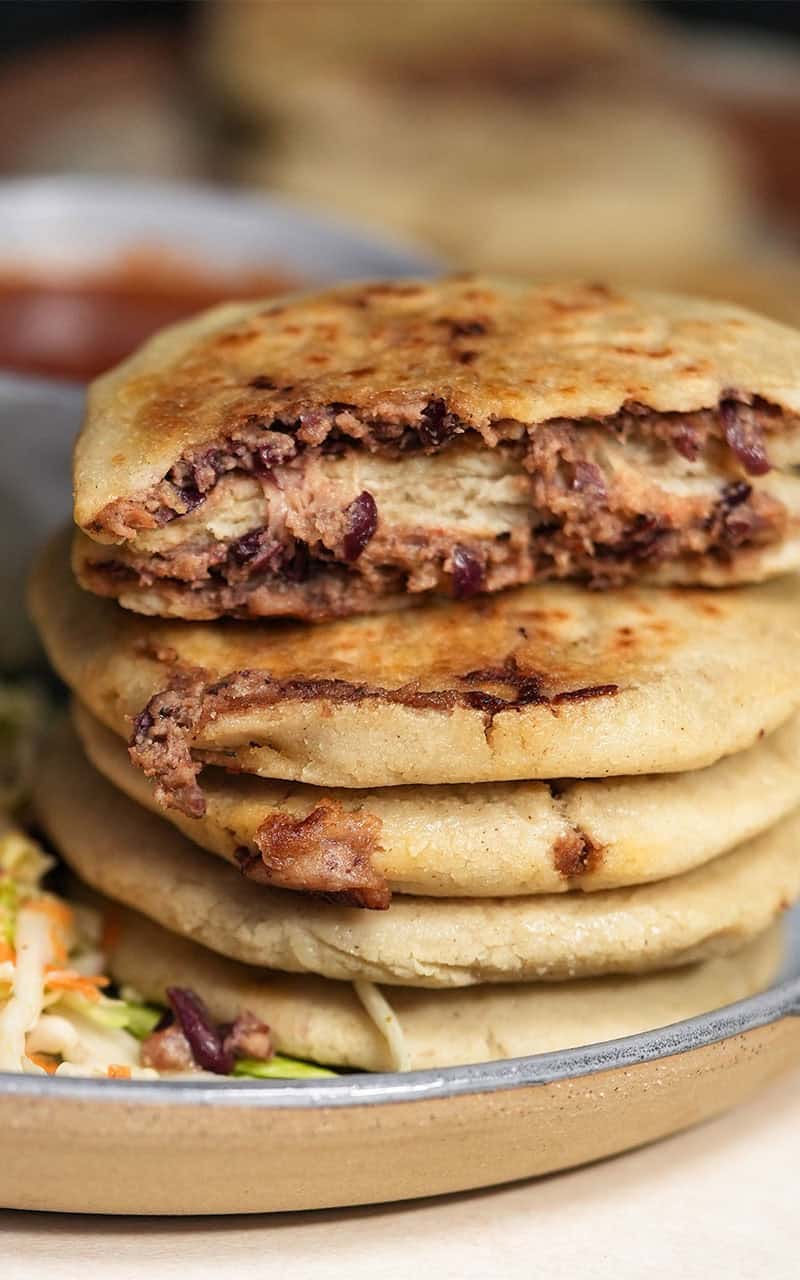
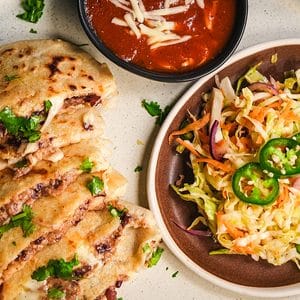
Filled with chicharron, cheese, and beans, this pupusa recipe brings all the aromas of a real Salvadoran spot straight to your kitchen. And don’t even get me started on the curtido (a quick-pickled salad) and the AMAZING salsa roja (red sauce for pupusas)… This recipe is a MUST-TRY for your home.
Pupusas
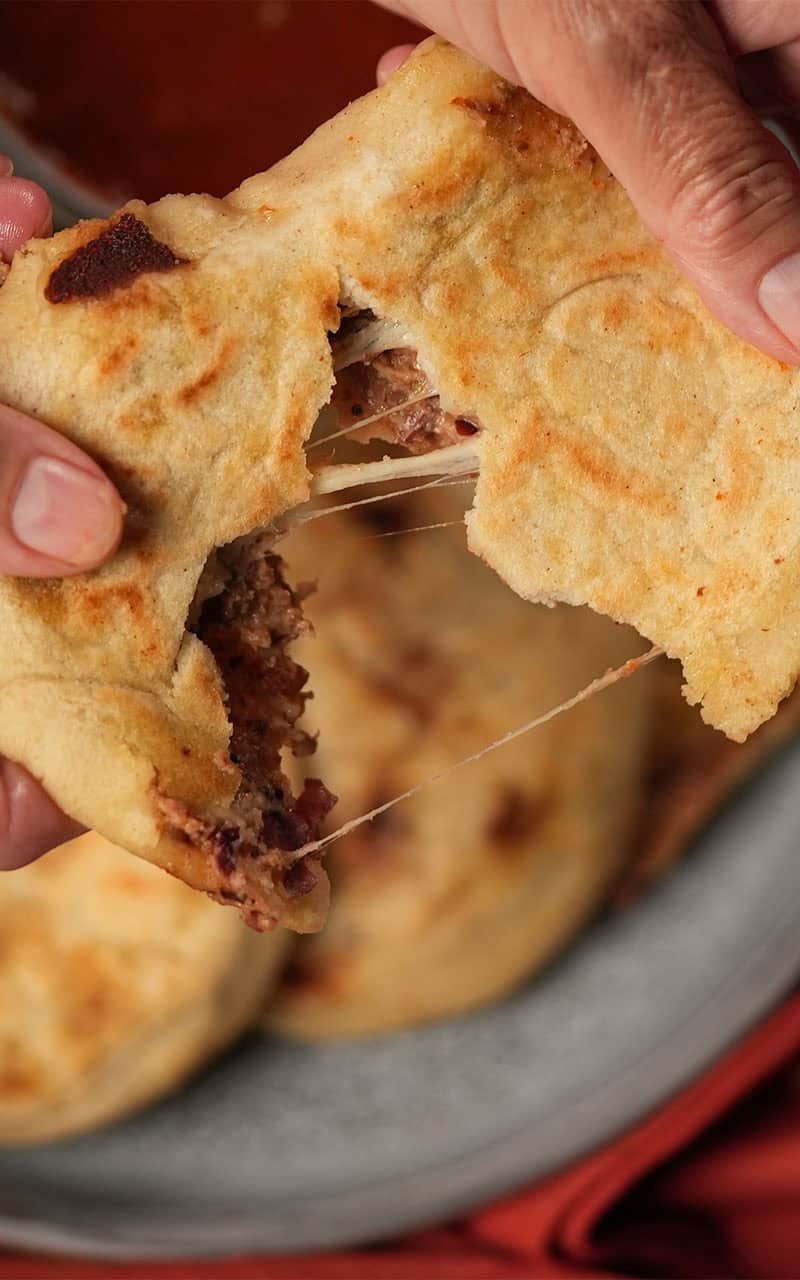
Originally from El Salvador in Central America, las pupusas are thick, handmade corn cakes made from masa harina dough, stuffed right to the edges before hitting a hot skillet.
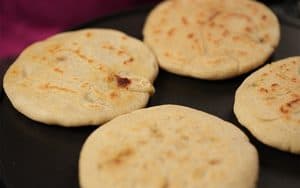
You seal the filling completely inside the raw pupusa dough and pat it flat by hand so the outside cooks up soft with blistered brown spots while the center melts.
I first tried authentic pupusas salvadoreñas with some Salvadoran friends, and they were so packed with flavor that I immediately thought, I need to bring this to my site!
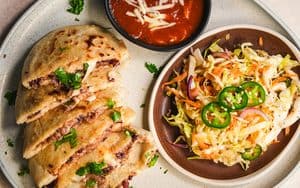
If you have ever been intimidated by making pupusas from scratch, I promise it comes down to 2 simple things: soft, hydrated masa and oiled hands. Each one cooks with all that melty cheese and seasoned bean filling locked inside, then goes straight onto the plate, piled with curtido and warm pupusa sauce.
Why This Recipe Works
The testing for this pupusa recipe got the stamp of approval from a girl on my team whose grandfather is Salvadoran. She grew up eating them every October and devoured one a day with Kolashampan soda on a trip to El Salvador when she was a kid, always drowning hers in extra salsa. While revueltas (with chicharron) always disappeared first, bean-and-cheese mixtas were her all-time favorite. She made sure every bite nailed those childhood memories, from the dough and filling right down to the curtido and that unmistakable salsa:
- Make-ahead friendly or ready in about an hour: Warm-brined curtido softens in the fridge while the salsa cooks, or you can prep it a day ahead.
- Crack-free masa: Mixing olive oil right into the dough keeps the edges soft and pliable without drying out.
- Zero-burst filling: Blending the seasoned refried beans with mozzarella and jalapeño Monterey Jack creates a thick paste that stays sealed inside cheese pupusas while patting them flat.
- Blender-to-pot pupusa sauce: Blending the fresh tomatoes, onion, garlic, and red chili before cooking them down on the stove creates that unmistakable smooth, pourable Salvadoran salsa.
Pupusa vs. Arepa vs. Gordita
People mix these three up all the time, and some even search for ‘Mexican pupusas’ when they are actually thinking of gorditas.
While all three start with corn flour, the type of corn and when you add the filling changes the texture completely:
| Pupusa (El Salvador) | Arepa (Venezuela & Colombia) | Gordita (Mexico) |
|---|---|---|
| Masa harina (nixtamalized corn flour, like Maseca), which gives it that classic toasted corn flavor. | Masarepa (precooked cornmeal, like P.A.N.), which has a firmer, denser bite and milder corn taste. | Masa harina, just like a pupusa, sometimes mixed with a splash of oil, lard, or baking powder. |
| Stuffed before cooking: You seal the cheese and beans inside the raw dough, flatten it, and cook it on a skillet so everything melts inside. | Stuffed after cooking: You cook the plain corn cake first until a crust forms, then slice a pocket open to stuff it. | Stuffed after cooking: Cooked on a griddle (or fried until puffed), then sliced open and loaded with meats, salsa, and lettuce. |
Also, very different from tamales, but if you want to try them, my mom’s Colombian tamales are always a hit!
Ingredients
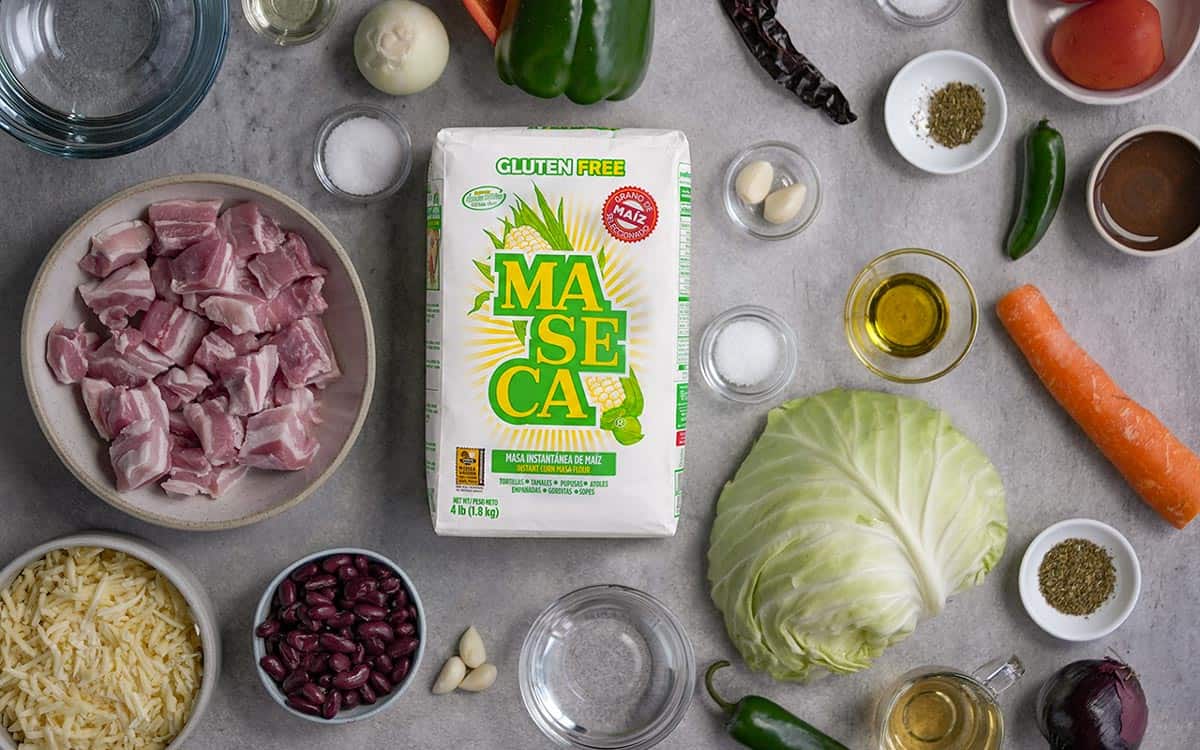
- Masa harina: Nixtamalized corn flour (like Maseca) lets the dough wrap around the filling without tearing. Regular cornmeal or masarepa stays gritty and crumbles. Nothing else behaves the same, so I do not recommend replacing it.
- Mozzarella and jalapeño Monterey Jack: Authentic quesillo is tough to find, so mozzarella cheese brings the REAL stretch while jalapeño Jack adds heat. Skip cheddar since it splits into oil. Swapping in real quesillo or Oaxaca cheese is recommended if you spot it, or use plain Monterey Jack for mild cheese pupusas.
- Canned refried beans: Thick canned beans bind with the cheese into a scoopable paste, unlike whole beans that poke holes through the dough. Homemade refried beans work if thick, though canned is recommended to save time.
- Roma tomatoes: Meaty Romas blend and cook down to just the right pourable texture for the red sauce for pupusas, unlike extra-watery slicing tomatoes. I tried canned tomatoes before, and the salsa tasted tinny. Vine tomatoes work in a pinch, though I do not recommend swapping unless needed.
Note: Please see the recipe card for full ingredients and measurements.
Substitutions
- Apple cider vinegar: White wine vinegar or fresh lime juice gives the curtido a bright, clean tang on a quick 30-minute soak. Skip regular distilled white vinegar if you can, since it tastes way too harsh without sitting overnight.
- Red chili: A fresh jalapeño or serrano pepper blends right into the salsa just as well. Keep the seeds out for a mild kick, or leave a few in if you like heat.
- Green cabbage: Bagged plain shredded green cabbage works in a pinch, just slice through any thick core pieces so the hot brine softens it in time. Skip red cabbage because it bleeds purple dye everywhere.
- Olive oil: Avocado oil, vegetable oil, or canola oil works just as well inside the dough, in the hand-dipping bowl, and on the hot skillet.
- Vegan option: To make vegan pupusas, use plant-based shredded mozzarella (or go straight bean-only for classic pupusas de frijol) and double-check that your canned refried beans are lard-free.
Tips for Shaping and Cooking Pupusas
A couple of quick habits make shaping and pan-cooking much easier, especially the first time you work with fresh masa:
- Keep hands oiled: Masa dough is naturally sticky, so dipping your hands in the water and oil mixture keeps the dough from clinging while you pat it into shape.
- Seal tears as you go: If a small tear pops up while wrapping or patting the dough, just pinch the edges back together to seal it. And if a little cheese leaks out onto the skillet, let it cook right into a lacy cheese crust.
How to Make Salvadoran Pupusas
Learning how do you make Salvadoran pupusas at home is honestly not hard at all once you break the prep down.
Instead of juggling everything at the stove at once, I split the process into three quick parts so the timing flows naturally:
- The curtido
- The salsa
- The masa (and, of course, the filling)
Quick-Pickle
I always start with the curtido first (though you can easily make it a day ahead too).
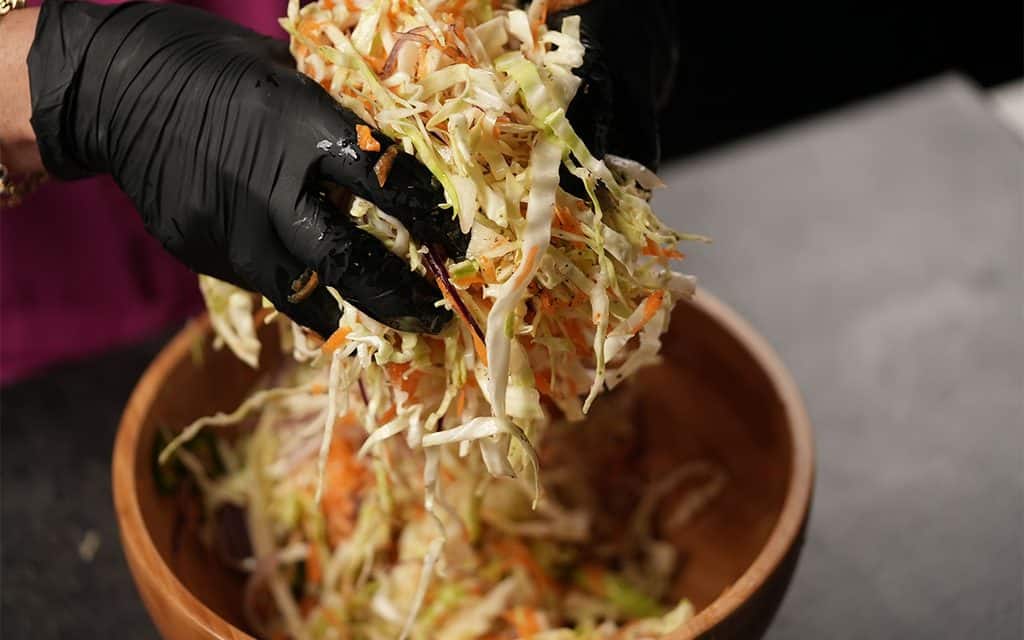
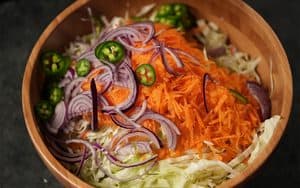
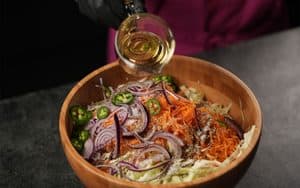
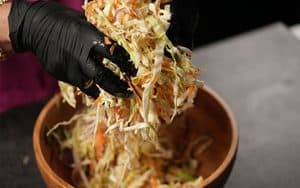
Toss the shredded green cabbage, carrot, and dried oregano in a bowl; stir the hot water, apple cider vinegar, salt, and sugar in a measuring cup until dissolved, and pour it straight over the cabbage.
Take to the fridge to rest.
While prepping and cooking the pupusas, the vinegar and water work to soften the cabbage while keeping a nice crunch. Take it out of the fridge right before serving.
Salsa Roja
Next up is the pupusa sauce, which gets started early so it can cook down while you make the pupusas.
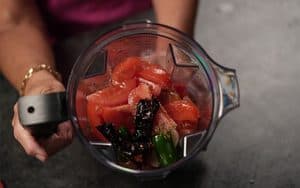
Toss all the salsa ingredients straight into the blender and blend until completely smooth.
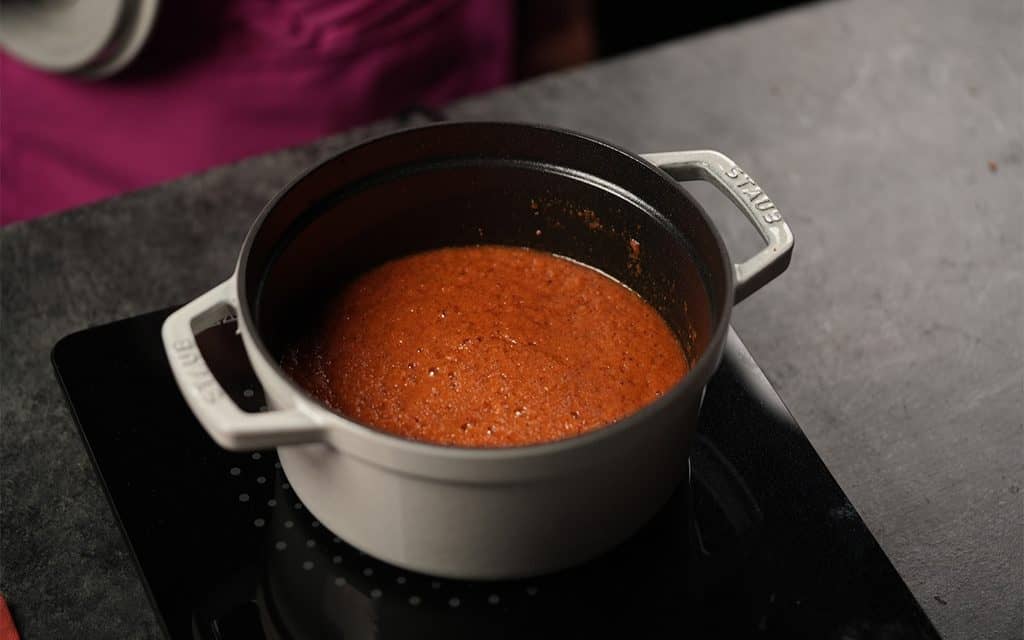
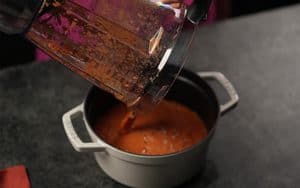
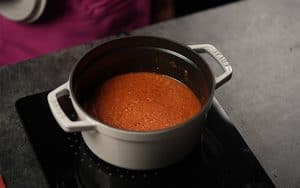
Pour it into a saucepan over medium-high heat and let it cook for about an hour until it thickens a bit, then drop the heat to low. Keep stirring every now and then so it does not stick to the bottom of the pot.
Texture is key here: this red sauce for pupusas shouldn’t be too watery or too thick, just smooth and pourable
Masa and Filling Prep
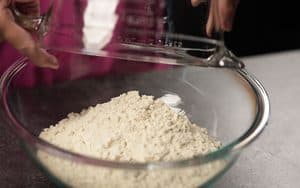
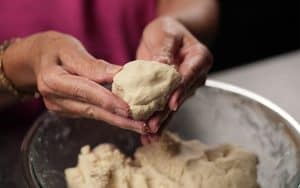
For the dough, I whisk the masa harina and salt in a bowl, then add the room-temperature water and olive oil. I stir it with a spatula first until combined, then get in there with my hands and knead until a very soft, smooth dough forms.
Covering the bowl to let it rest for 10 minutes gives the corn flour time to fully hydrate so the edges do not crack later.
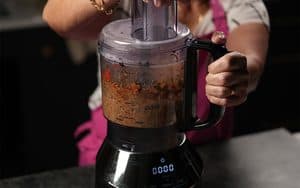
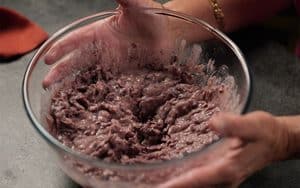
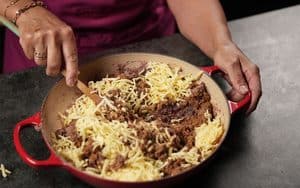
After resting, use a cookie scoop to divide it into 10-12 balls of dough, then mix all the filling ingredients in a separate bowl so the cheeses, refried beans, and spices bind into one scoopable paste.
How To Stuff the Pupusas
Before shaping, preheat your oven to 200°F (90°C) with a wire rack set over a baking sheet inside to keep finished batches warm. Mix the water and oil in a small bowl (you will see mine sitting right next to the bowl in the clip) and coat your hands lightly so the masa won’t stick.
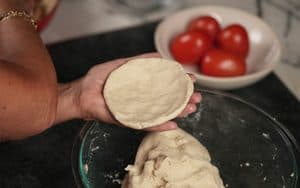
Grab a portion of dough and press it using the palm of your hands into a disc, curving the edges up slightly like a shallow little bowl.
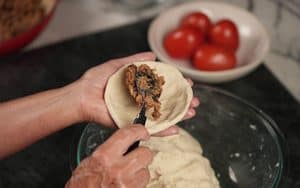
Spoon the filling right into the center, pressing it down gently with the back of the spoon so it stays neat and compact.
Bring the edges of the dough up and around the filling to seal it completely, pinching any open seams or tiny tears shut.
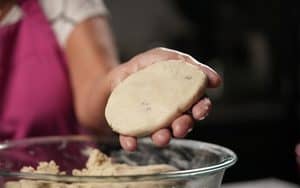
Once sealed, pat the ball gently back and forth between your oiled palms until it flattens into an even ¼-inch pupusa (dip your fingers back in the oil wash whenever the dough starts to cling).
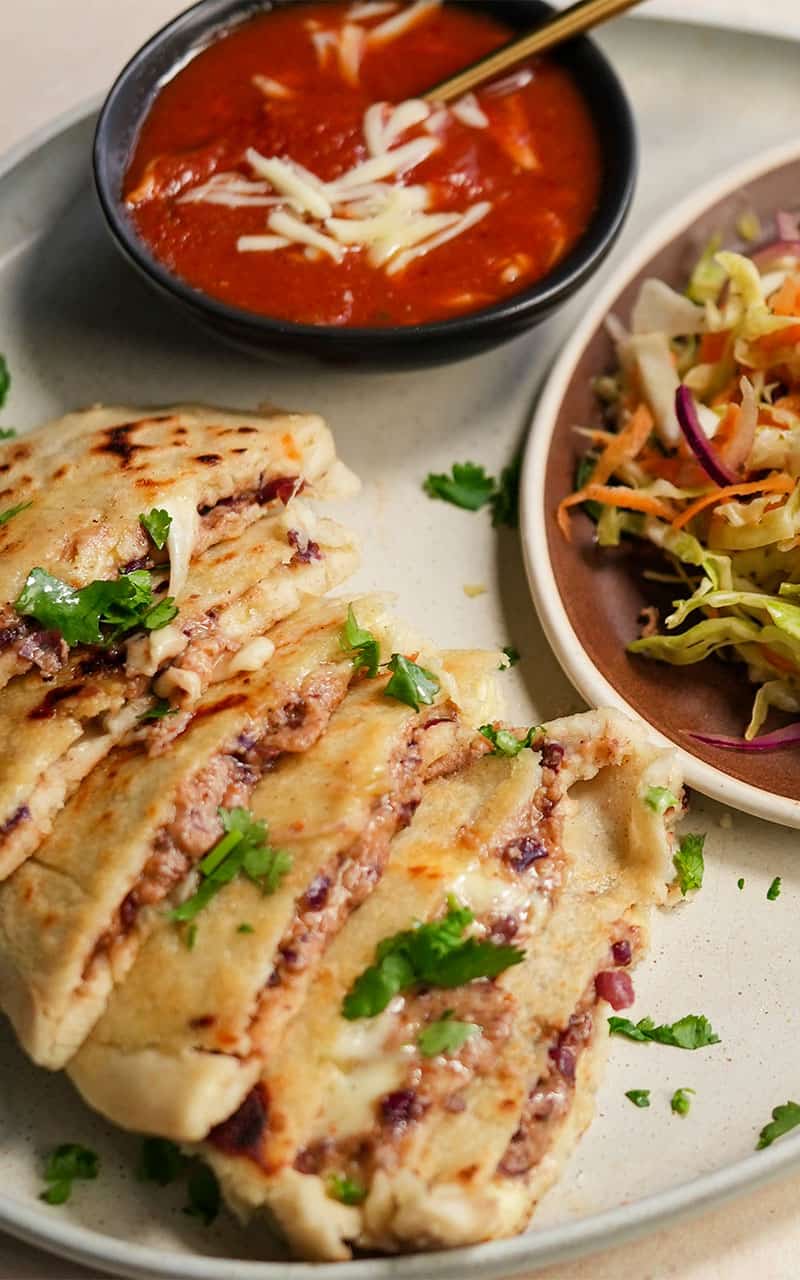
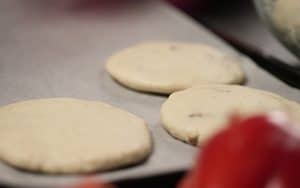
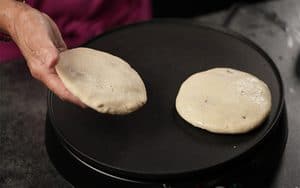
Transfer it onto a preheated, lightly oiled griddle or skillet over medium heat. Cook 2 to 3 at a time for 4 to 6 minutes per side, until browned with charred spots, keeping finished ones in the warm oven until you are ready to serve with the chilled curtido and warm salsa!
Traditional & Modern Pupusas Variation
Once you get the hang of the masa dough, you can switch up pupusa recipes with almost any filling you are craving, as long as it holds together like a paste:
- Classic cheese pupusas (pupusas de queso): Skip the refried beans completely and bump the shredded cheese up to 400g total (about 4 cups), mixing it with the same spices so every bite is pure melted stretch.
- Pupusas revueltas (pork, bean, and cheese): Pulse cooked chicharron or leftover pork carnitas in a food processor until finely ground (never chunky, or it will tear the masa), then fold it right into the bean-and-cheese mixture.
- Pupusas mixtas: Not a fan of chicharron? Stick to the bean-and-cheese base in this recipe, since mixtas are all about refried beans paired with melted cheese; there’s no fail with them.
- Vegan and dairy-free: To make vegan pupusas, pair lard-free refried red or black beans with dairy-free shredded mozzarella, or mash the beans with finely chopped sautéed mushrooms or grated zucchini (squeeze out the moisture first so the dough stays dry).
Also, you can always change pork for vegetables, chicken, beef, or whatever fits better on your table!
What To Serve With Pupusas
Since the chilled curtido and warm salsa roja already come with the recipe, you honestly have a full meal right there.
If I am stretching dinner for a crowd or turning this pupusa food spread into a celebratory meal, here is what goes great on the table alongside them:
- Fried sweet plantains (plátanos fritos): Pan-fried ripe plantains are a classic Salvadoran pairing. Their caramelized sweetness plays so well off the tangy pickled cabbage and melted cheese, especially with a spoonful of Salvadoran sour cream (crema) on the side.
- Rice and black beans (casamiento): Simmering rice and black beans together with onion and bell pepper makes an easy, filling side when feeding big appetites.
- Fresh avocado or homemade guacamole: Cool, creamy slices of salted avocado or a bowl of homemade guacamole help tame the kick from the jalapeño Monterey Jack and red chili salsa.
- Grilled street corn or corn salad: Sweet charred corn tossed with lime juice and cotija works a lot like my avocado tomato corn salad and keeps the plate bright without feeling heavy.
- Cold horchata or Kolashampan: Wash everything down with a glass of cinnamon-spiced horchata, tamarind agua fresca, or an ice-cold Salvadoran Kolashampan soda.
FAQs
No, regular cornmeal, polenta, and cornstarch will not work here. Masa harina is made from corn treated with an alkaline solution, which allows it to absorb water and form a pliable dough, whereas regular cornmeal stays grainy and falls apart the second you try to stuff it.
Yes, masa harina is made from 100% nixtamalized corn, making the dough completely gluten-free. If you have celiac disease or a strict sensitivity, check the packaging on yourmasa harina and canned refried beans to confirm they are certified gluten-free and free from cross-contamination.
Yes, rice flour pupusas (known in El Salvador as pupusas de arroz) are very popular, especially in the town of Olocuilta. You will need fine white rice flour mixed with hot water rather than room-temperature water to form a smooth dough, and they cook up slightly lighter in color with a subtle chew.
You might also like
Get a free eBook!
Subscribe to Cafe Delites FOR FREE and receive recipes straight into your inbox!
Salvadoran Pupusas Recipe
Ingredients
For salsa:
- 5 roma tomato Halved
- 1 Red onion cut into chunks
- 3 Garlic cloves
- 1 tsp dried oregano
- 1 red chili deseeded,halved
- ½ tsp salt
- ¼ tsp black pepper
- ½ tsp sugar
- 2 tsp olive oil
For curtido:
- 2 cups head of green cabbage shredded cabbage
- 1 carrot shredded
- 1 tbsp dried oregano
- 1 cup hot water
- 1 cup apple cider vinegar
- 1 tsp salt
- 1 tsp white sugar
For pupusa dough:
- 3 cups masa harina such as maseca
- 2 tsp salt
- 2 ¾ cup water at room temperature
- 2 tsp olive oil
For filling:
- 2 ¾ cup mozzarella cheese shredded
- 1 cup beans you can use refried beans too
- ¾ cup Monterrey jack jalapeno cheese shredded
- ½ tsp salt
- ¼ tsp black pepper
- ½ tsp garlic powder
- ½ tsp onion powder
- ½ tsp dried oregano
For hands:
- 1 cup water
- 2 tsp olive oil or neutral oil
Instructions
To make the curtido:
- In a bowl, toss together the shredded cabbage, carrot, and dried oregano.

- In a measuring cup, stir the hot water, apple cider vinegar, salt, and sugar until dissolved.
- Place in the fridge to rest while you prepare and cook the pupusas, taking it out right before serving.
To make salsa
- Place all salsa ingredients directly into a blender and blend until completely smooth.
- Pour the blended mixture into a saucepan over medium-high heat and cook for about 1 hour, stirring occasionally so it doesn't stick to the bottom, until thickened to a smooth, pourable consistency.
- Reduce the heat to low and keep warm while you prepare and cook the pupusas.
To make the pupusa dough :
- in a medium bowl, whisk together the masa harina and salt.
- Add the room temperature water and olive oil. Stir with a spatula until combined, then use your hands to knead until a very soft, smooth dough forms.
To make the filling:
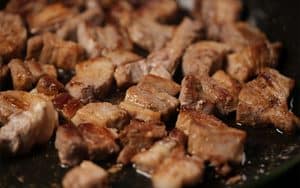
- Cook the pork pieces in a skillet until browned and cooked through.
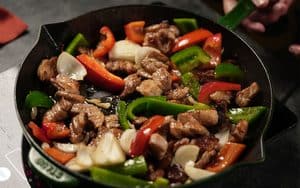
- Add the peppers and onion to the skillet and cook until softened and combined with the pork.
- Transfer the pork mixture to a food processor and pulse until finely ground.
- Place the cooked or canned red beans in a large mixing bowl and mash them until they form a thick.
- Add the ground chicharrón to the beans with salt, black pepper, garlic powder, onion powder, and dried oregano. Mix until evenly combined. Add the shredded cheese. Mix until fully combined. Set aside until ready to assemble.
To assemble the pupusas:
- Take one ball of dough and flatten it into a disc about ½ inch thick.
- Place approximately 65g of filling into the center of the dough disc.
- Wrap the dough gently around the filling to enclose it completely, pinching any open edges shut. Gently pat and flatten the filled ball, alternating between your palms, until it forms a thick disc.
- Re-grease your hands as needed. Repeat for all the pupusas.
To cook the pupusas:
- Cook pupusas 2-3 at a time for 4 to 6 minutes per side, until golden brown with slight charred spots.
- Transfer cooked pupusas to the warm oven while you finish cooking the rest.
- Serve the hot pupusas alongside the drained curtido and warm salsa.
Notes
Storage, Reheating, and Make Ahead
I usually eat fresh pupusas straight off the skillet, though leftovers keep really well for busy days.- Fridge: Store cooled pupusas in an airtight container in the fridge for up to 3 to 4 days. Keep the curtido and salsa roja in separate airtight containers in the fridge too so the cabbage stays snappy and the pupusa sauce stays fresh.
- Freezer: Freeze cooled pupusas in a single layer on a baking sheet first, then move them to a zip-top freezer bag for up to 2 months. I do not recommend freezing the curtido since thawed cabbage goes limp, though extra salsa freezes fine for up to 2 months.
- Reheating: Warm chilled or frozen pupusas in a lightly oiled skillet over medium heat for a few minutes per side, or pop them in an air fryer at 350°F (175°C) until hot through and lightly charred on the outside. Warm the salsa gently on the stove or in the microwave before serving.
- Make ahead: Make the curtido and salsa roja a day ahead so the flavors settle even more before you mix the dough and cook
Nutrition
Nutrition information is automatically calculated, so should only be used as an approximation.