This post may contain affiliate links. Please read our disclosure policy.
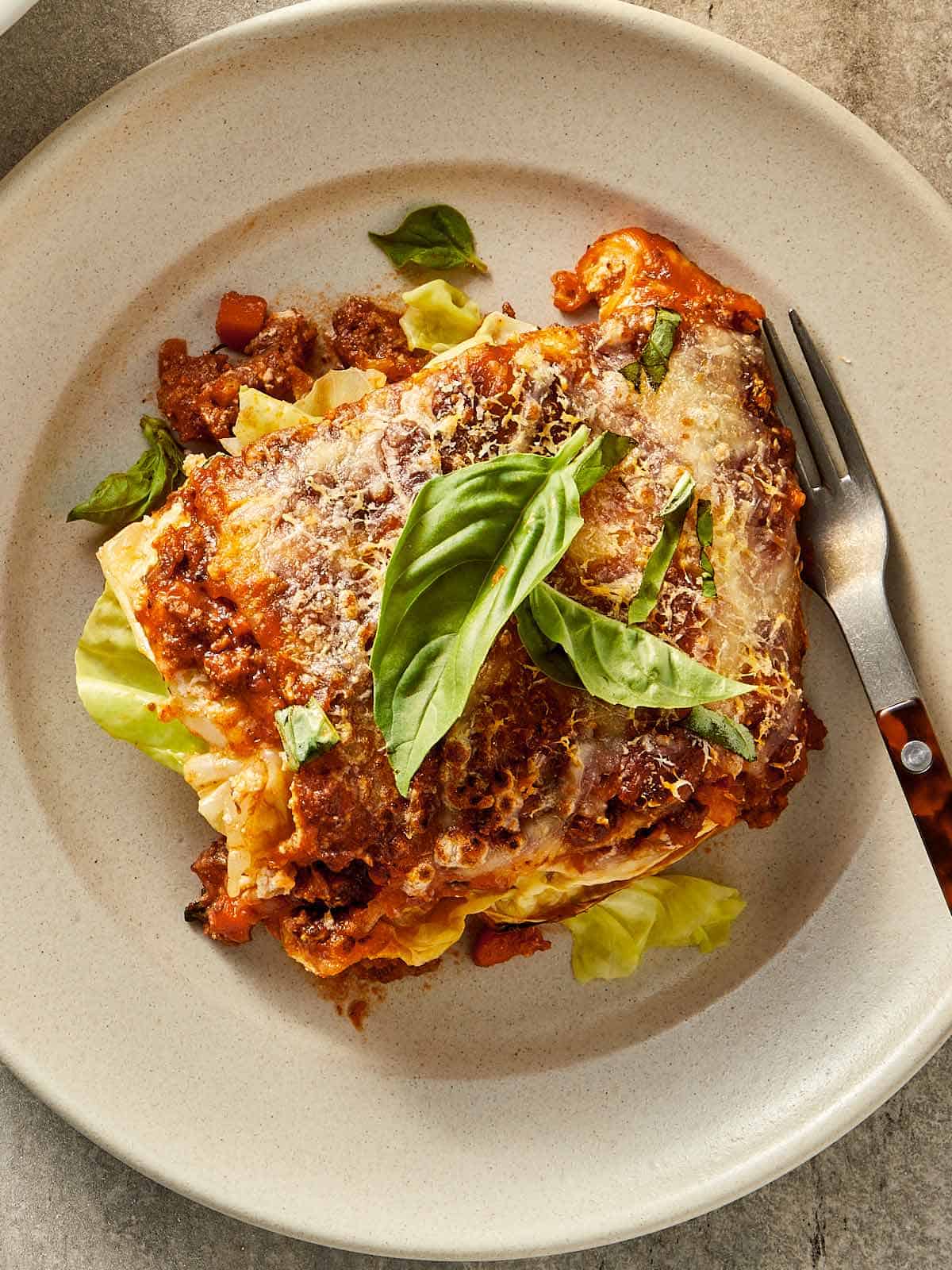
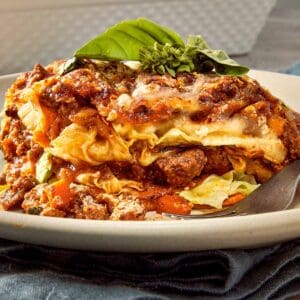
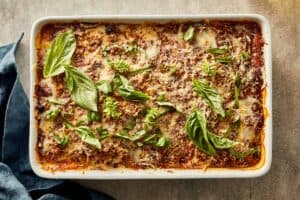
What if I told you a healthy lasagna is actually possible? Lasagna is one of those dinners I could eat every single week, but sometimes I want something a little lighter that still feels like actual lasagna. That’s where this Easy Cabbage Lasagna comes in. Soft cabbage leaves replace the pasta, then everything gets layered with a rich beef and passata sauce, creamy ricotta, mozzarella, and parmesan before baking until bubbling on top. A healthy lasagna that still tastes REALLY yummy and filling without feeling overly heavy afterward.
It’s high in protein, packed with fiber, lower in carbs than traditional lasagna, and still gives you those classic lasagna layers. You only need one pot, one baking dish, and about 1 hour and 30 minutes from start to finish.
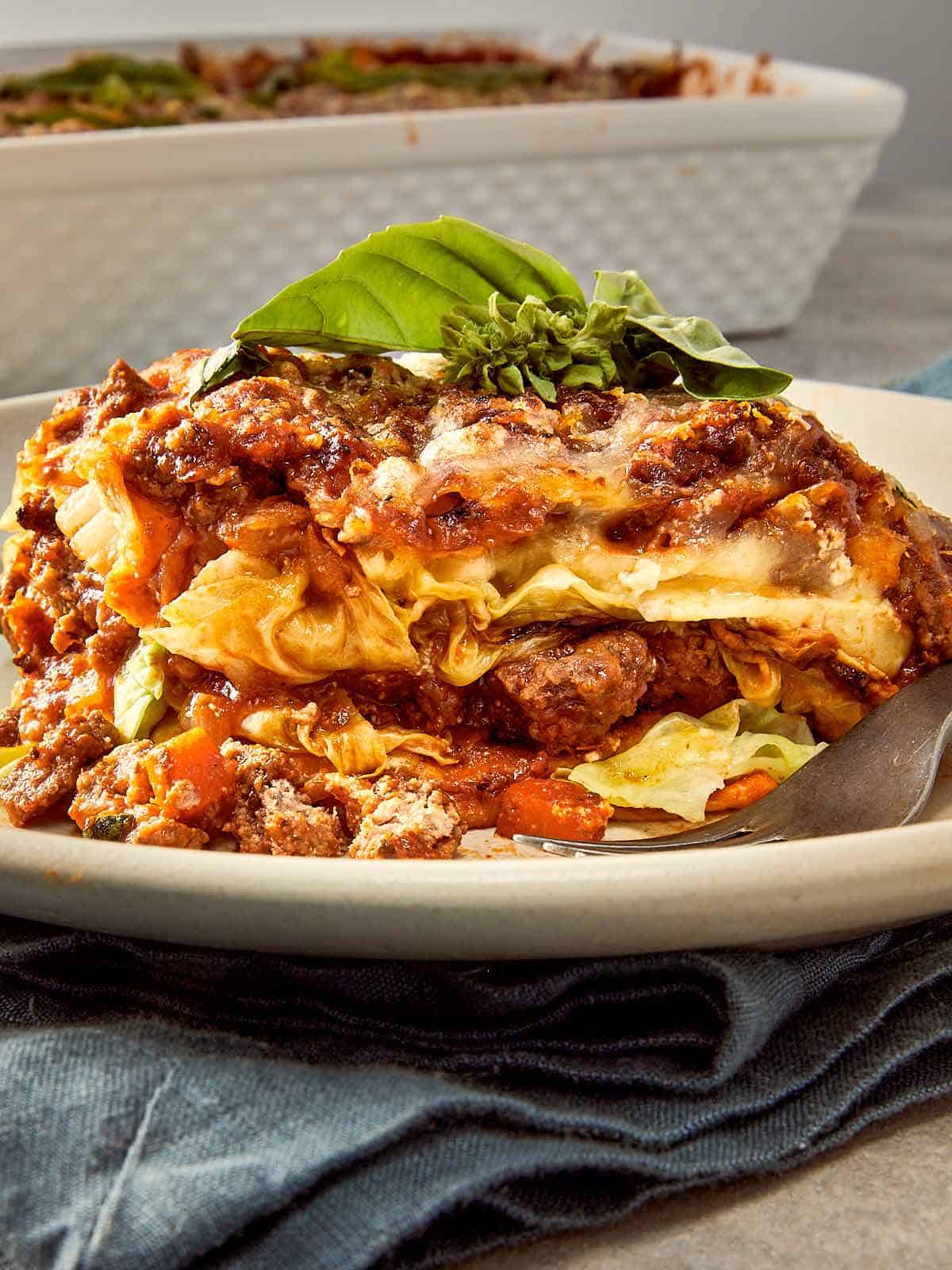
Why This Cabbage Lasagna Works
My mom’s lasagna was always one of those dinners everyone wanted seconds of, but it was also the kind of meal that left us completely full for the rest of the night. I started testing cabbage instead of pasta after making vegetable lasagnas that kept turning watery or falling apart once baked, and cabbage ended up working way better than I expected because the layers stay intact and hold the sauce properly once sliced.
A few things make this version stand out:
- Cabbage is naturally high in fiber, which makes the lasagna more filling without needing heavy pasta layers.
- It’s lower in carbs than traditional lasagna, while still giving you thick, satisfying layers.
- The cabbage absorbs the flavor from the sauce really well as it bakes.
- The leftovers reheat surprisingly well the next day.
What I love most about this version is that it still has everything I want from lasagna: rich sauce, melted cheese, and thick layers, just in a lighter way that feels much better for weeknights. Honestly, after a few tests, even my family stopped calling it the “healthy lasagna” and just started asking for the cabbage one instead.
Why Cabbage?
I’ve seen a MILLION ways to replace pasta in lasagna all over social media. Eggplant, zucchini… but honestly, the one that actually made it feel filling for me was cabbage.
Cabbage is one of those vegetables I ignored for years unless it was in soup or coleslaw. Now I use it constantly because it’s inexpensive, high in fiber, naturally low-carb, and filling once cooked. Even without the noodles, the leaves stay in place after baking instead of disappearing into the sauce.
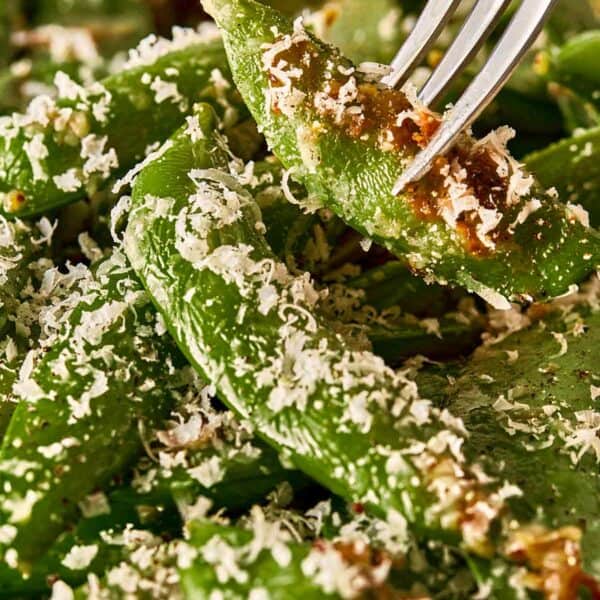
A while ago, I started swapping pasta with sugar snap peas in a lighter version of cacio e pepe, and that’s honestly what made me try cabbage here too. It doesn’t feel like a replacement once baked. The taste is the same as a traditional lasagna.
Once softened, the cabbage absorbs all the flavor from the sauce while still keeping the layers separate after baking. After resting for a few minutes, it slices much more like a classic lasagna than most vegetable versions I’ve tried before.
Key Ingredients And Notes
A few ingredients make a huge difference in how this cabbage lasagna bakes and slices. Most of them are simple, but the small details matter here.
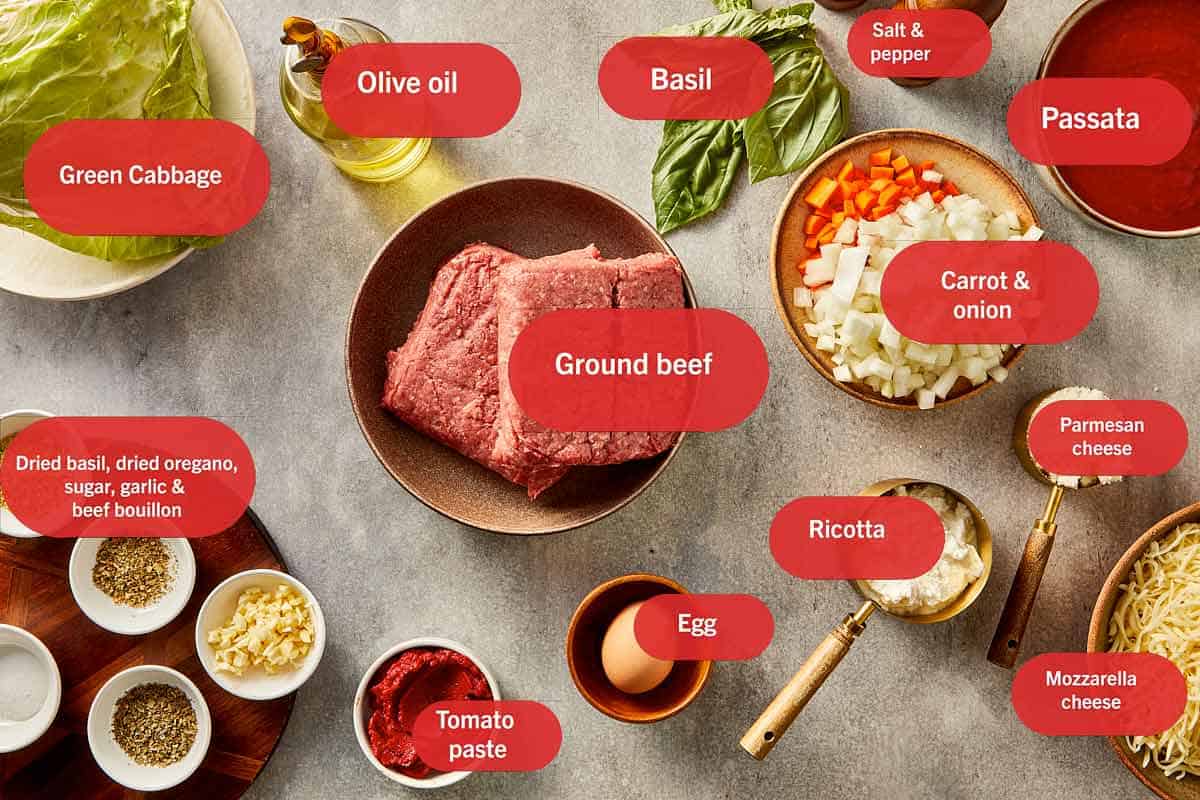
- Cabbage: A whole green cabbage works best because the leaves are large enough to layer properly once softened. After boiling, I like patting the leaves dry so the lasagna doesn’t end up with extra moisture while baking.
- Passata: I don’t recommend replacing this with crushed tomatoes. Passata keeps the sauce thicker, which matters a lot once the cabbage starts releasing moisture in the oven.
- Ricotta: Ricotta cheeses are the best at keeping the filling lighter than a traditional béchamel while still making the layers creamy without feeling too heavy.
- Mozzarella Cheese: Light grated mozzarella melts really well here and gives the top that classic baked lasagna finish without adding excess liquid.
Note: please see recipe card at the bottom for a list of full ingredients and measurements
Additions And Substitutions
- Ground turkey or chicken both work really well here if you want a lighter version. I’ve tested both, and the sauce still tastes great once baked with the cheese and herbs.
- Spinach or finely chopped mushrooms can be added into the meat sauce, but cook them down first to avoid extra moisture in the lasagna.
- Fresh basil gives the ricotta mixture a fresher flavor, but dried basil can work if that’s what you already have at home.
- Pecorino can be used instead of parmesan on top for a saltier finish.
- Ricotta keeps the dish light and creamy. Feta can work, but ricotta gives a softer texture that pairs better with a red sauce.
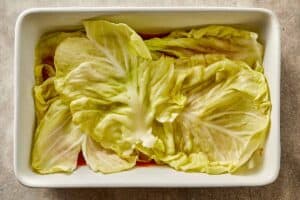
If some cabbage leaves tear while boiling, overlap smaller pieces in the baking dish instead of discarding them. Once baked, you won’t even notice the difference.
How To Make Cabbage Lasagna
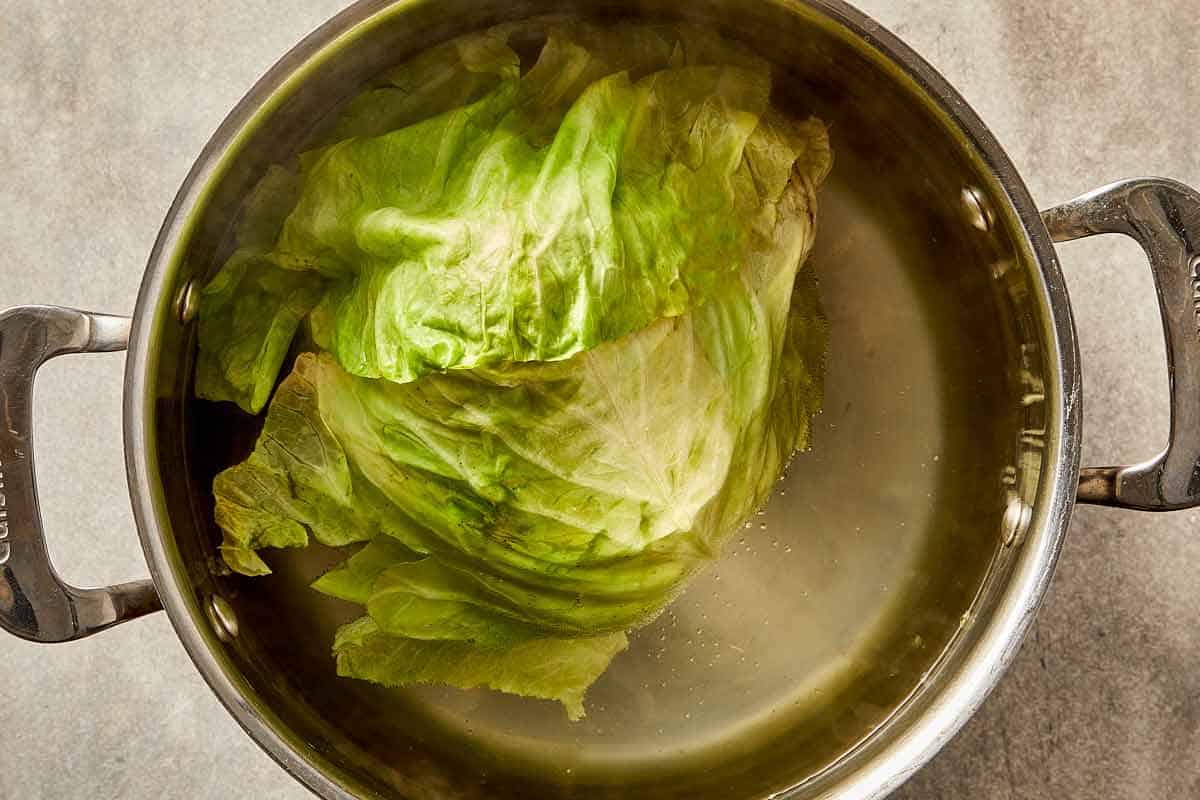
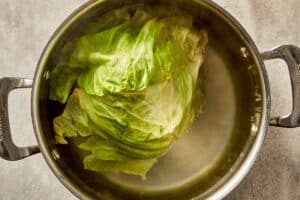
- Soften the cabbage leaves. Boil the cabbage until the leaves bend easily without tearing. Let them cool slightly before handling. The center leaves usually need a little longer than the outer ones, so don’t rush removing the cabbage from the water too early.
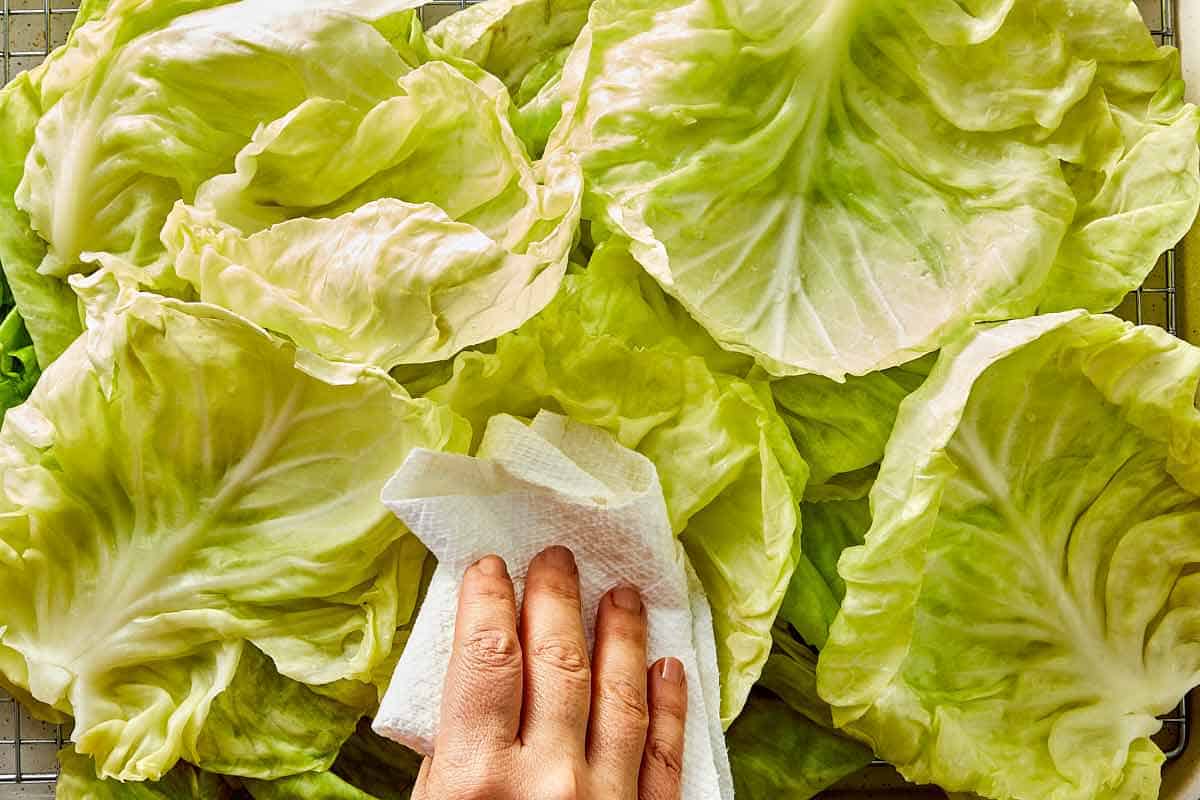
- Dry the cabbage well.
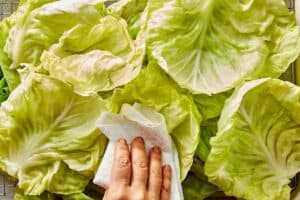
Pat each cabbage leaf dry with paper towels before layering. Extra moisture is usually what makes vegetable lasagnas release too much liquid while baking, so this step is worth the extra couple of minutes.
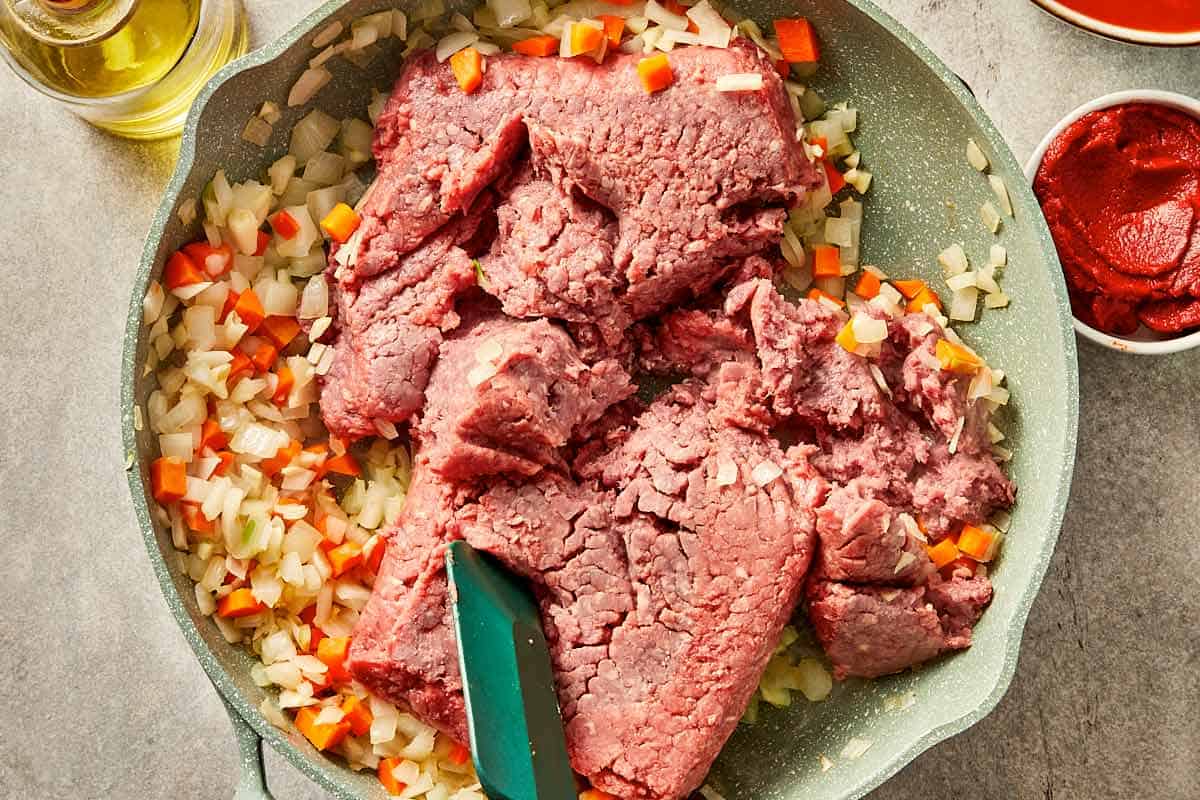
- Build the meat sauce.
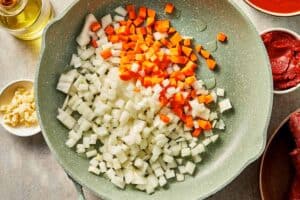
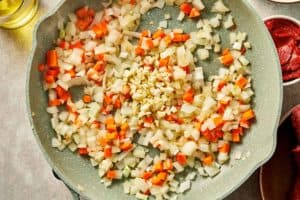
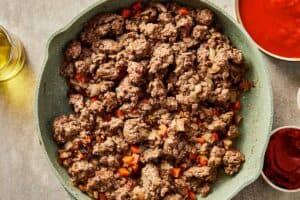
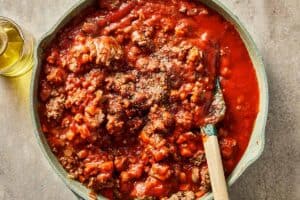
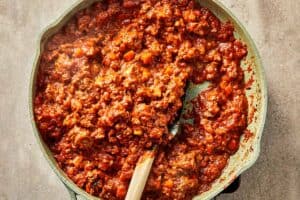
Cook the onion and carrot first until softened, then add the garlic and beef. Break the meat into smaller pieces as it cooks so the layers are easier to slice later instead of pulling apart when serving.

- Mix the ricotta filling.
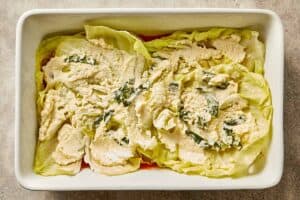
Stir the ricotta, parmesan, basil, and egg together until combined. The mixture doesn’t need to look perfectly smooth. Small pieces of basil throughout the filling give the lasagna a lot more flavor once baked.
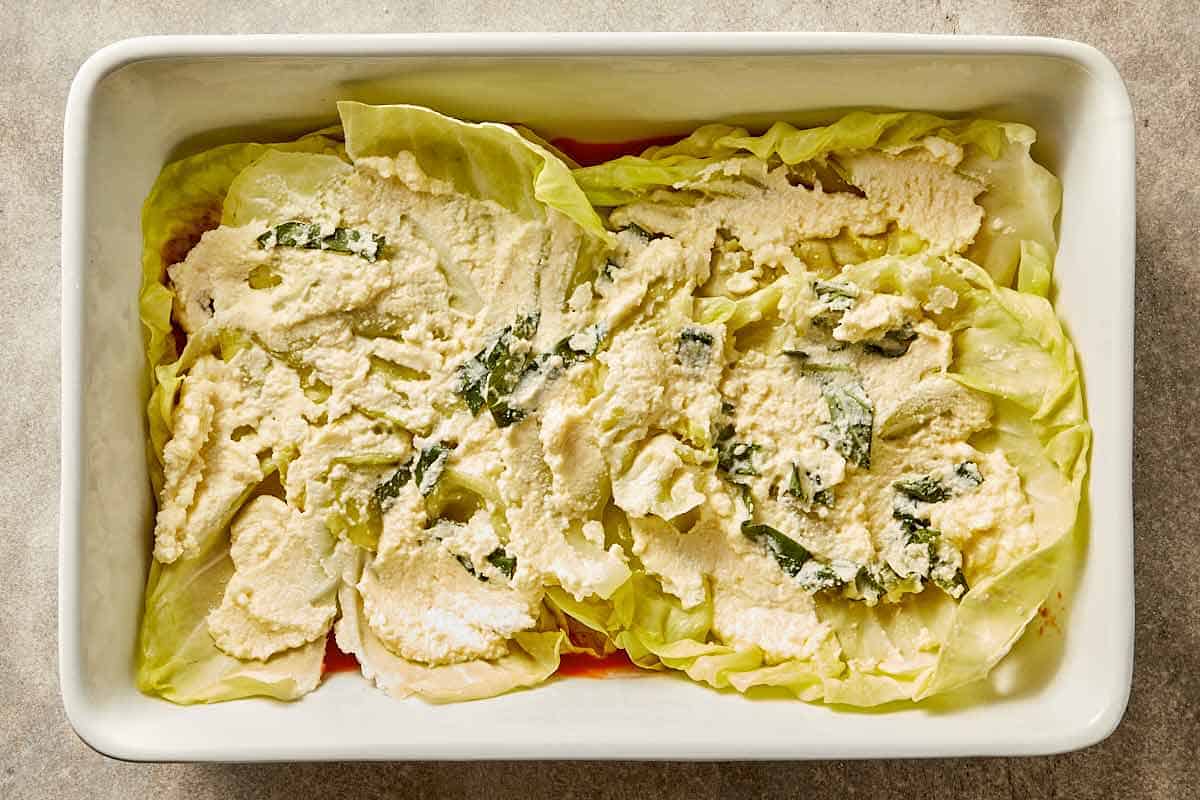
- Start layering the lasagna.
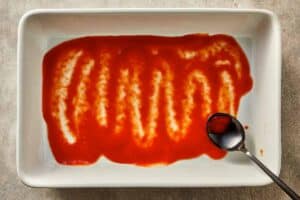
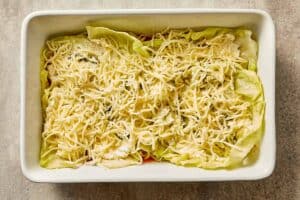
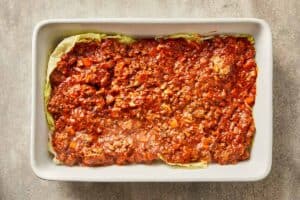
Spread a little sauce on the bottom of the baking dish, then layer the cabbage, ricotta, mozzarella, and meat sauce. Overlap smaller cabbage leaves where needed instead of trying to make perfect layers.
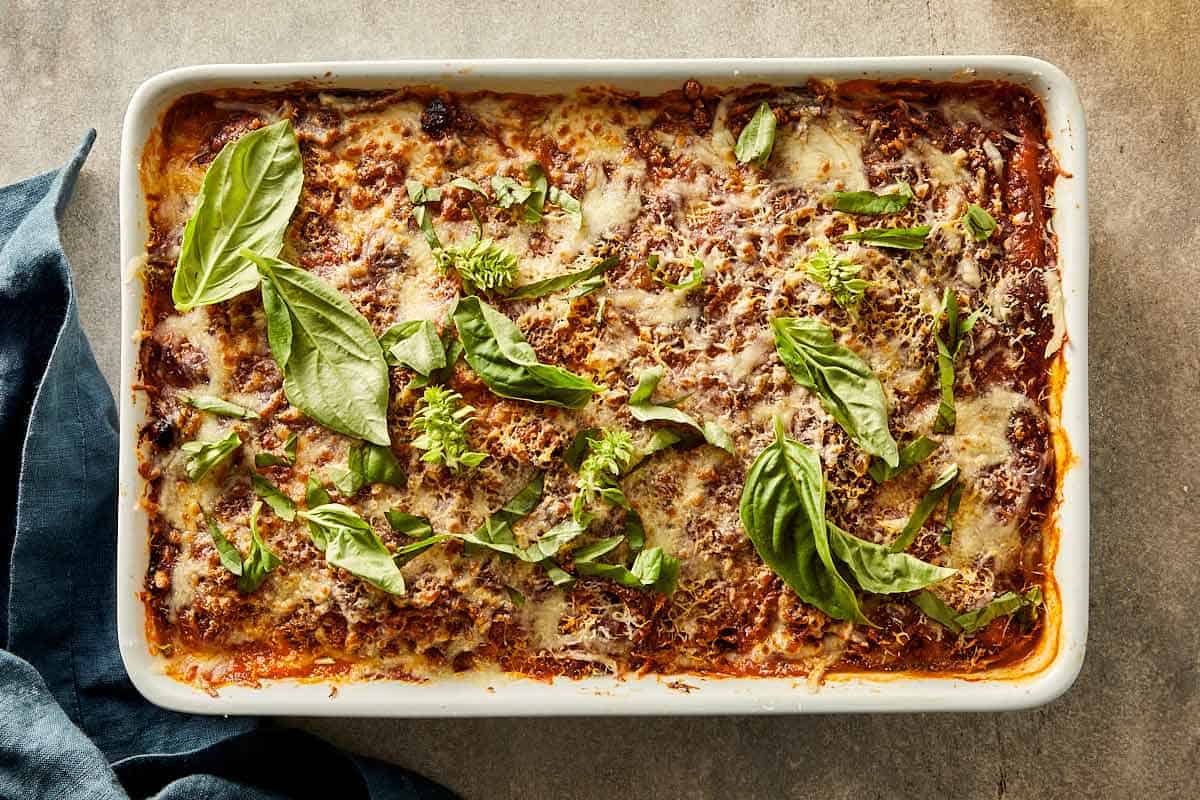
- Bake until bubbling around the edges.
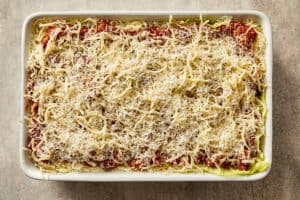
Finish with mozzarella and parmesan on top and bake uncovered until the cheese melts and the sauce is bubbling. Let the lasagna rest before slicing so the layers settle properly after baking.
Tips For The Best Cabbage Lasagna
- Don’t boil the cabbage too long. Once the leaves bend easily, they’re ready. Overcooked cabbage keeps cooking again in the oven and can turn too soft after baking.
- If your sauce still looks loose after simmering, keep cooking it for a few extra minutes before layering. Cabbage naturally releases moisture in the oven, so a thinner sauce usually leads to watery slices later.
- Smaller cabbage leaves work better around the edges of the baking dish. Trying to force the large outer leaves into every corner usually makes the layers uneven.
- Let the lasagna rest before slicing. Right out of the oven the ricotta is still very soft, but after a few minutes the layers settle and slice much cleaner.
- If the top starts browning too fast before the center is hot, loosely cover it with foil for the remaining bake time instead of lowering the oven temperature.
- Cabbage lasagna tastes even better the next day. The sauce settles into the cabbage overnight and the slices reheat really well without falling apart.
More Recipes Like This
I started making recipes like this after testing different ways to keep comfort food lighter without losing the parts I actually enjoy eating. Some nights that means replacing pasta with cabbage, other nights it’s making a quick air fryer pizza made on tortillas or crispy tortillas filled with chicken, parmesan and marinara when I want something easy but still filling.
Recipes with extra protein and vegetables have also become a lot more common in my kitchen over the last few years. Things like protein pancakes blended with cottage cheese, a cold tuna salad made for one person, or black eyed peas tossed in lime dressing and fresh vegetables are usually the kinds of meals I keep going back to during busy weeks.
FAQs
The biggest difference comes from drying the cabbage leaves well before layering. The sauce also needs to simmer long enough to thicken properly before baking since cabbage naturally releases moisture in the oven.
Yes. Let the lasagna cool completely, then cover tightly before freezing. Some people freeze it for up to 3 months, but honestly, I prefer reheating it within a few days for the best texture since cabbage and ricotta can release extra moisture over time.
Cabbage works surprisingly well because the leaves soften enough to layer without completely disappearing into the sauce. Once baked, the texture feels much lighter than traditional lasagna while still keeping the same layered structure.
About 10–15 minutes is ideal. The ricotta and sauce settle as it cools slightly, making the slices easier to serve without falling apart.
You might also like


Get a free eBook!
Subscribe to Cafe Delites FOR FREE and receive recipes straight into your inbox!
Cabbage Lasagna Recipe
Ingredients
- 1 whole cabbage cored and boiled until leaves are soft
Meat Sauce
- 1 tbsp olive oil
- 1 onion finely chopped
- 1 carrot finely diced
- 4 cloves garlic minced
- 34 oz ground beef
- 24 oz passata
- 3 tbsp tomato paste (heaped)
- 2 beef bouillon cubes crushed
- 1 tsp dried oregano
- 1 tsp dried basil
- ½ tsp sugar
Ricotta Filling
- ¾ cup fresh ricotta
- 1 large egg
- ⅓ cup parmesan grated
- 4 basil leaves
- Salt to taste
- Cheese
- 2 cups Light grated mozzarella generous amount
- Parmesan to taste
- Extra cheese to cover the top
Instructions
Prepare The Cabbage
- Core the cabbage and boil in a large pot of salted water for 15–20 minutes, or until the leaves are soft and flexible enough to bend without tearing.

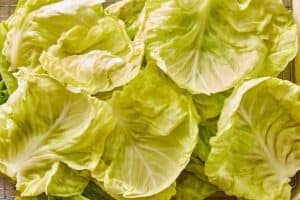
- Drain the cabbage and let it cool slightly before handling so the leaves separate more easily. Carefully peel off the cabbage leaves and transfer them to a tray or wire rack
- Pat each leaf dry with paper towels.
Make The Meat Sauce
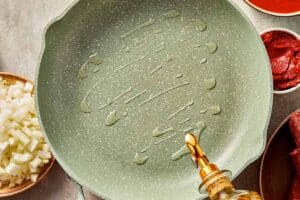
- Heat the olive oil in a large skillet or pot over medium heat.
- Add the onion and carrot and cook for about 8 minutes, until softened.
- Stir in the garlic and cook for 1 minute until fragrant.
- Add the ground beef and cook, breaking it up with a spoon.
- Cook until the meat is browned and fully cooked through.
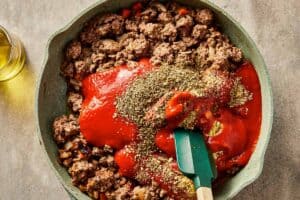
- Stir in the passata, tomato paste, crushed bouillon, oregano, basil, and sugar until combined. Season with salt and pepper to taste.
- Cover and simmer for 20–30 minutes, stirring occasionally, until the sauce thickens slightly.

Make The Ricotta Filling
- In a bowl, mix the ricotta, egg, parmesan, basil, and a pinch of salt until combined.

Assemble
- Spread a thin layer of sauce over the bottom of a baking dish.
- Add a layer of cabbage leaves over the sauce, slightly overlapping them where needed to cover the bottom of the dish.
- Spread some of the ricotta mixture over the cabbage leaves in an even layer.
- Sprinkle mozzarella evenly over the ricotta layer, making sure to cover most of the surface so every slice gets cheese throughout.
- Spoon some of the meat sauce over the mozzarella and spread it gently into an even layer without pressing down too much on the cabbage underneath.
- Repeat the layers until all ingredients are used.
- Finish with mozzarella and parmesan on top and bake.
- Bake uncovered for 30 minutes, until bubbling around the edges and lightly browned on top. Let the lasagna rest for 10–15 minutes before slicing and serving.
Notes
Nutrition
Nutrition information is automatically calculated, so should only be used as an approximation.