
This post may contain affiliate links. Please read our disclosure policy.
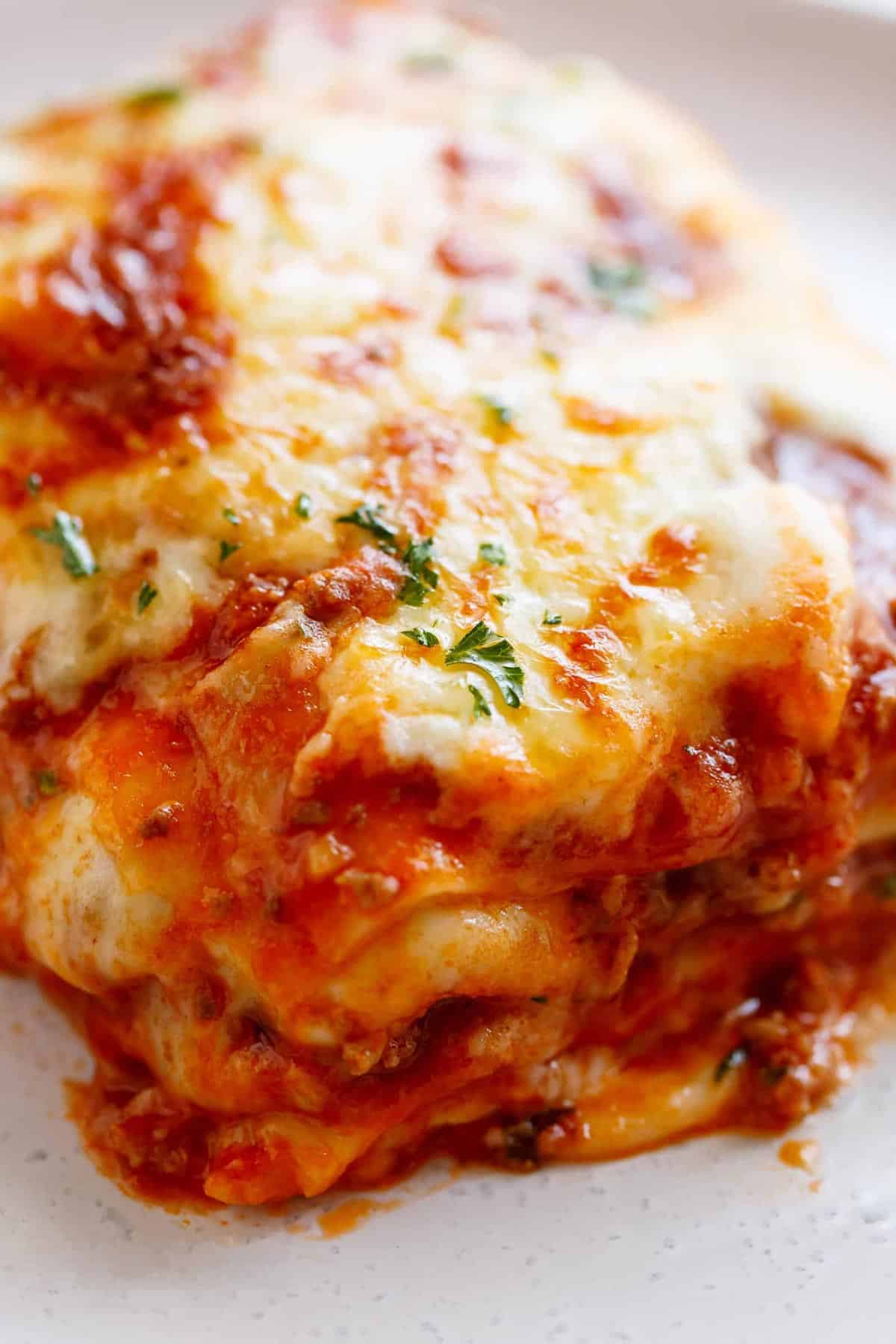
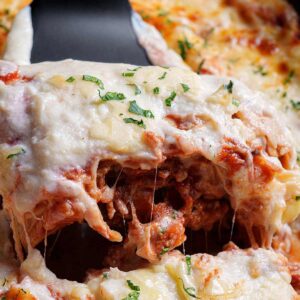
The Best Lasagna recipe is here! Layered with a rich meat sauce and a creamy Parmesan white sauce, plus the perfect amount of mozzarella cheese! NO ricotta cheese needed.
With layers of slow-cooked Ragù Bolognese and creamy Parmesan Besciamella, this lasagna recipe stays true to its authentic Italian roots. One bite, and you’ll see why it’s destined to become your new weekend favorite. Serving it alongside a warm bowl of gnocchi soup takes it to the next level. The soup’s creamy broth and savory sausage are the perfect match for the rich, cheesy layers of this classic dish.
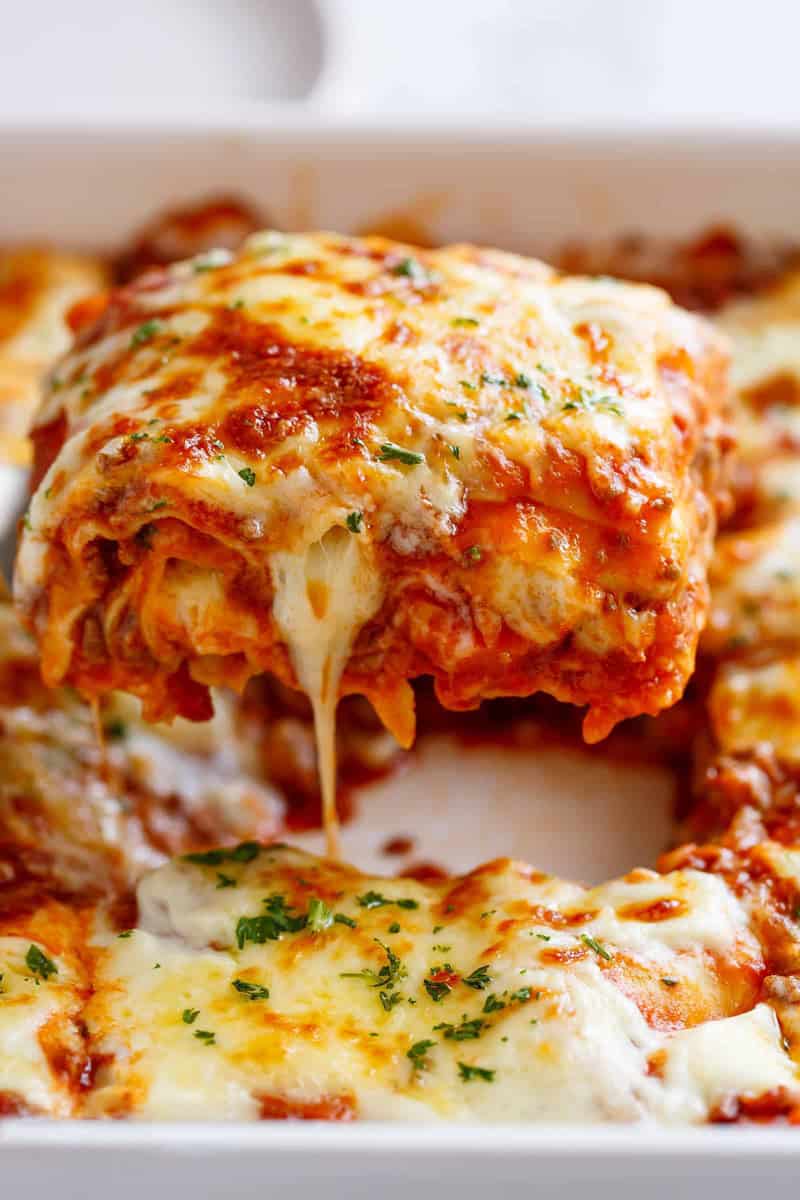
Table of Contents
- Why Is This The Best Lasagna
- The Best Lasagna: Key Ingredients
- Additions And Substitutions
- How to Make Lasagna
- How To Make Lasagna Meat Sauce
- How To Make The White Sauce (Béchamel)
- Which Lasagna Noodles Are Best?
- How to Layer Lasagna
- My Top Tips For The Perfect Layers
- What To Serve With Lasagna
- More Ways To Enjoy These Flavors
- Recipe FAQ’s
- Mama’s Best Lasagna Recipe
Why Is This The Best Lasagna
My mama’s famous lasagna is hands down the best I have ever had. I honestly think it beats the authentic lasagna I have ordered in Italy.
She learned her methods from Italian friends when she lived in New York City, adjusting the recipe through the years to perfect it. Every single person who tries it comes back for seconds, thirds, and leftovers the next day.
What really makes it work is the base. Instead of a quick tomato sauce, she uses a slow-cooked beef ragù packed with deep flavor. It is the exact same secret I share when making a classic spaghetti bolognese. Layering that robust base with a creamy Parmesan béchamel and fresh mozzarella means there is absolutely no ricotta needed. The pasta sheets absorb just enough moisture to cook through without turning to mush, leaving you with a solid slice that holds its shape.
I know a heavy pasta dish is not exactly ideal to look at when we are all on diets, but many of us still have to cook normal foods for our families.
The real reason this recipe is on the blog, though, is because my mom made me do it. She realized I did not have a lasagna recipe published and demanded to know why. I told her I could not eat it at that moment and did not want to suffer. Before I could even finish my sentence, there was banging and clanging in my kitchen, wooden spoons flying everywhere, and the fridge door screaming to be closed. She cooked, I shot the photos, and the result is a recipe that works every single time.
The Best Lasagna: Key Ingredients
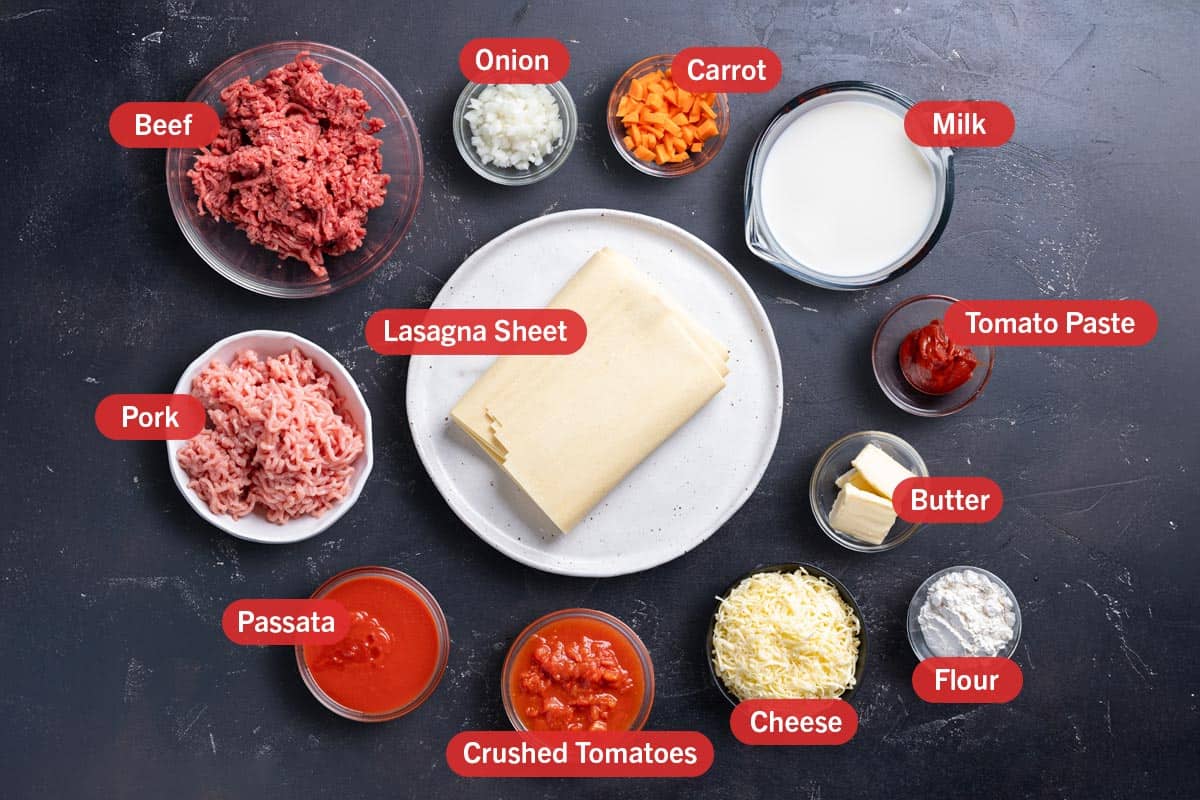
- Ground Meat: I use a mix of ground beef and pork. Beef gives the sauce a strong, hearty base, while the pork adds fat and sweetness that breaks down beautifully as it simmers. If you do not eat pork, you can substitute it with all ground beef. I do this often when I only have beef on hand, but the blend is definitely my favorite.
- Passata and Crushed Tomatoes: Using a combination of smooth tomato passata and crushed tomatoes gives the meat sauce the right consistency.
- Mozzarella: You want to use whole-milk mozzarella. I highly recommend avoiding the pre-shredded bags in the cheese aisle because they are coated in anti-caking agents and never melt smoothly. Grating a block of fresh mozzarella yourself gives you the best stretch between the layers.
Note: Please see Recipe Card at the bottom for a full list of ingredients and measurements.
Additions And Substitutions
When it comes to crafting the Best Lasagna Ever, versatility is key. Whether you’re looking to elevate the flavors or adapt to what’s in your pantry, small tweaks can make a big difference. These substitutions and additions ensure every layer is tailored to your taste!
- Vegan and Lactose-Intolerant Options: For those who are lactose intolerant or vegan, you can substitute traditional butter with vegan butter, which offers a similar creamy texture and flavor. Additionally, use lactose-free cheese or vegan cheese alternatives to maintain the cheesy goodness without compromising on taste.
- Dry Lasagna Sheets: If you ask my mom, she always recommends fresh lasagna sheets. Since they’re fresh, you don’t need to cook them before putting them into the lasagna, saving you TONS OF TIME. But if you are going to use dry lasagna sheets, boil them for 10 minutes and dry them well before layering.
How to Make Lasagna
Making lasagna from scratch might seem like a massive weekend project, but I promise it is actually incredibly straightforward when you break it down into simple steps. The best part is that once your sauces are prepped and the dish is fully assembled, the actual lasagna bake time is pretty fast. You just need it in the oven long enough for the layers to meld together and the cheese to get completely golden brown and bubbling.
How To Make Lasagna Meat Sauce
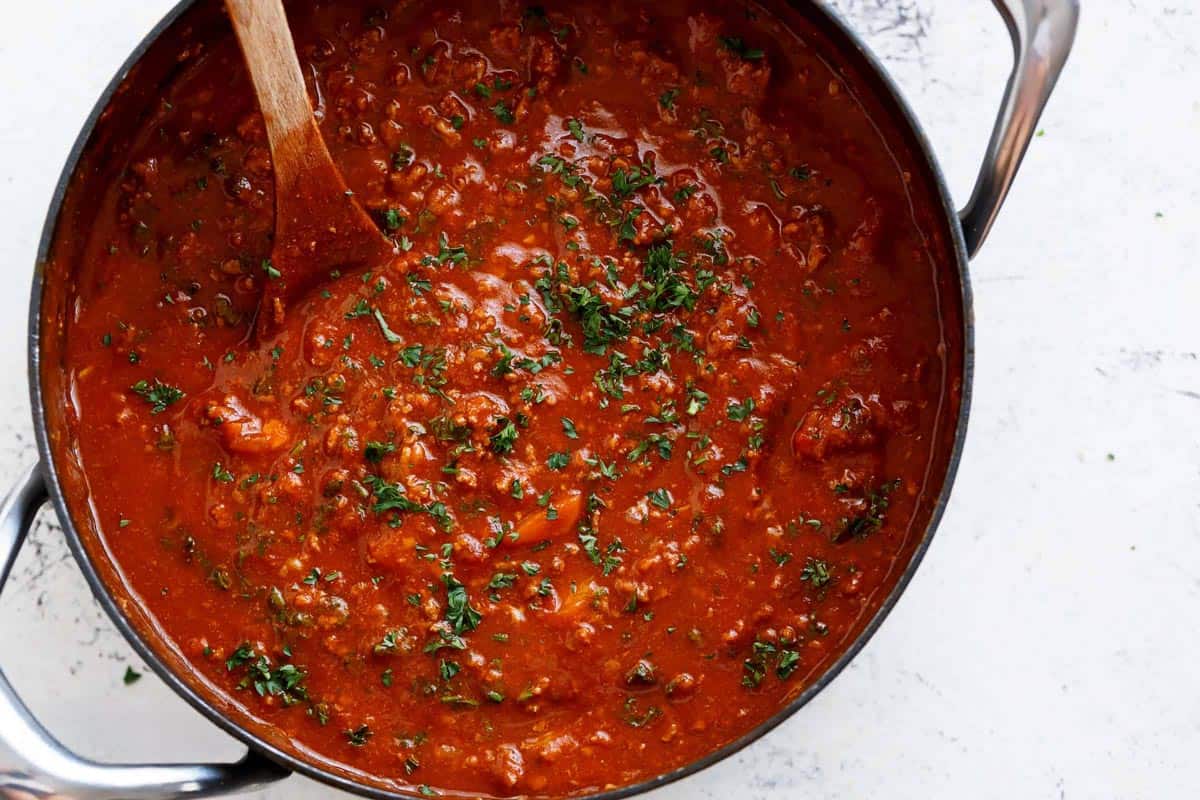
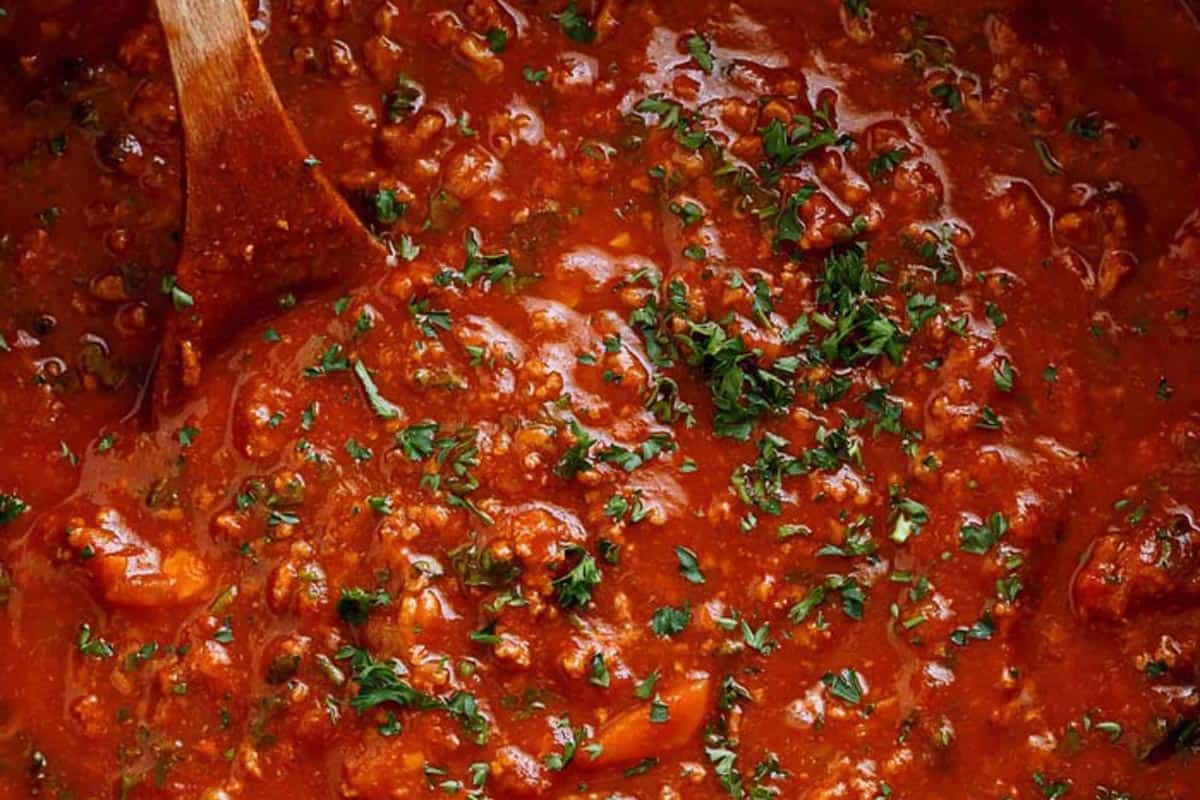
The most important part of this whole dish is the sauce. It’s rich with flavor and texture.
- The Meat: I use a mix of ground beef and pork for a very traditional flavor. THIS IS OPTIONAL. If you do not eat pork, you can absolutely use all beef.
- The Tomatoes: While most recipes use just crushed tomatoes as a base, I love mixing in a bottle of passata (American tomato sauce) to add richness.
- The Secret: A generous amount of tomato paste keeps the sauce thick. Do not skip this! I usually reach for one flavored with garlic and herbs, but plain works perfectly too.
Micro Tip: Let the meat sauce simmer gently in the pan while you prep the other ingredients. The longer it simmers, the more tender the meat becomes.
How To Make The White Sauce (Béchamel)
This is where the flavor really stands out. I do not use any ricotta cheese in my lasagna. A parmesan white sauce simply makes the whole dish creamier and binds the layers together beautifully. You only need four ingredients to pull this béchamel together:
- Parmesan cheese
- Butter
- Flour
- Milk
If you are not a fan of parmesan, you can easily swap it out for Gruyere, Romano, Asiago, Manchego, or just use extra mozzarella.
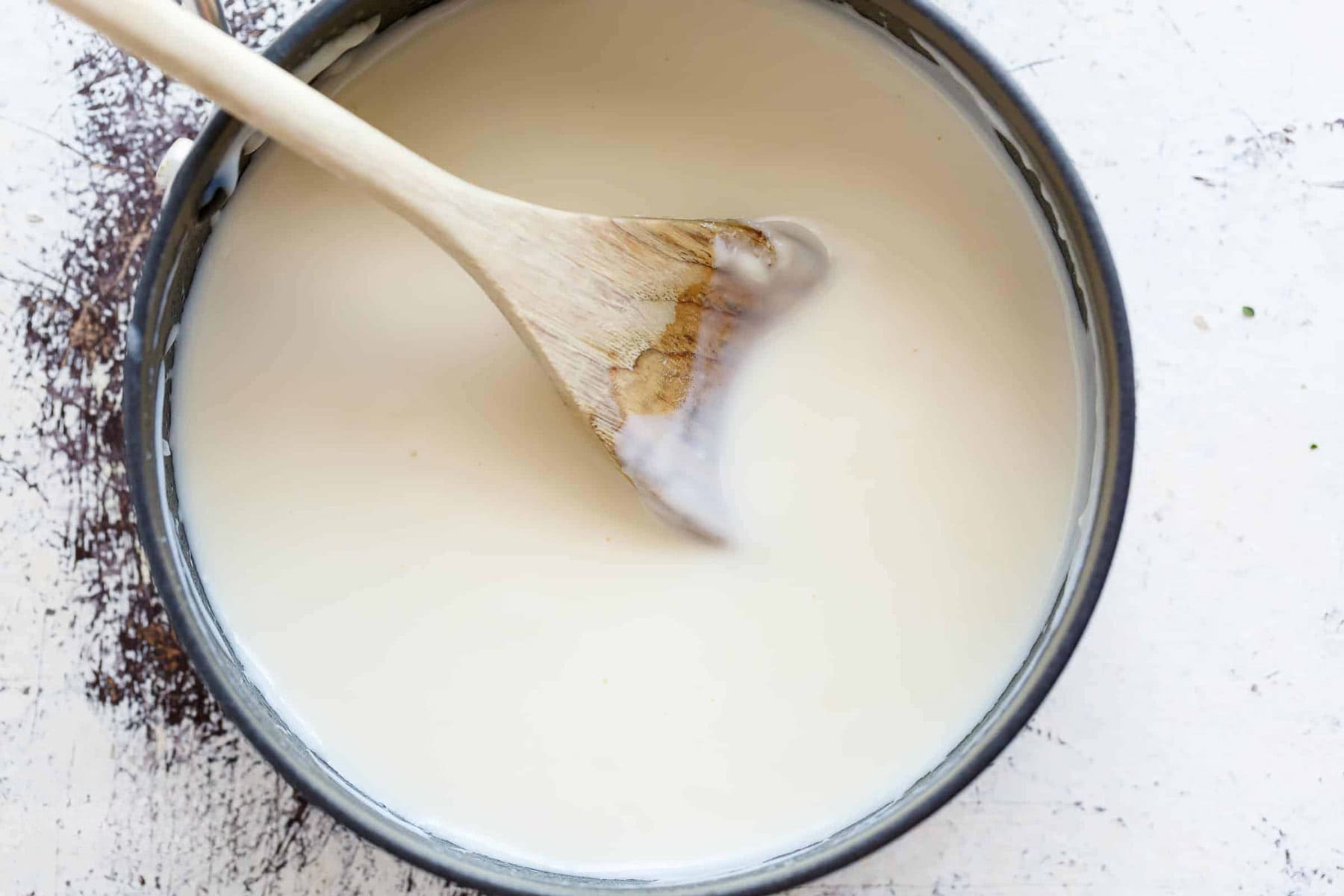
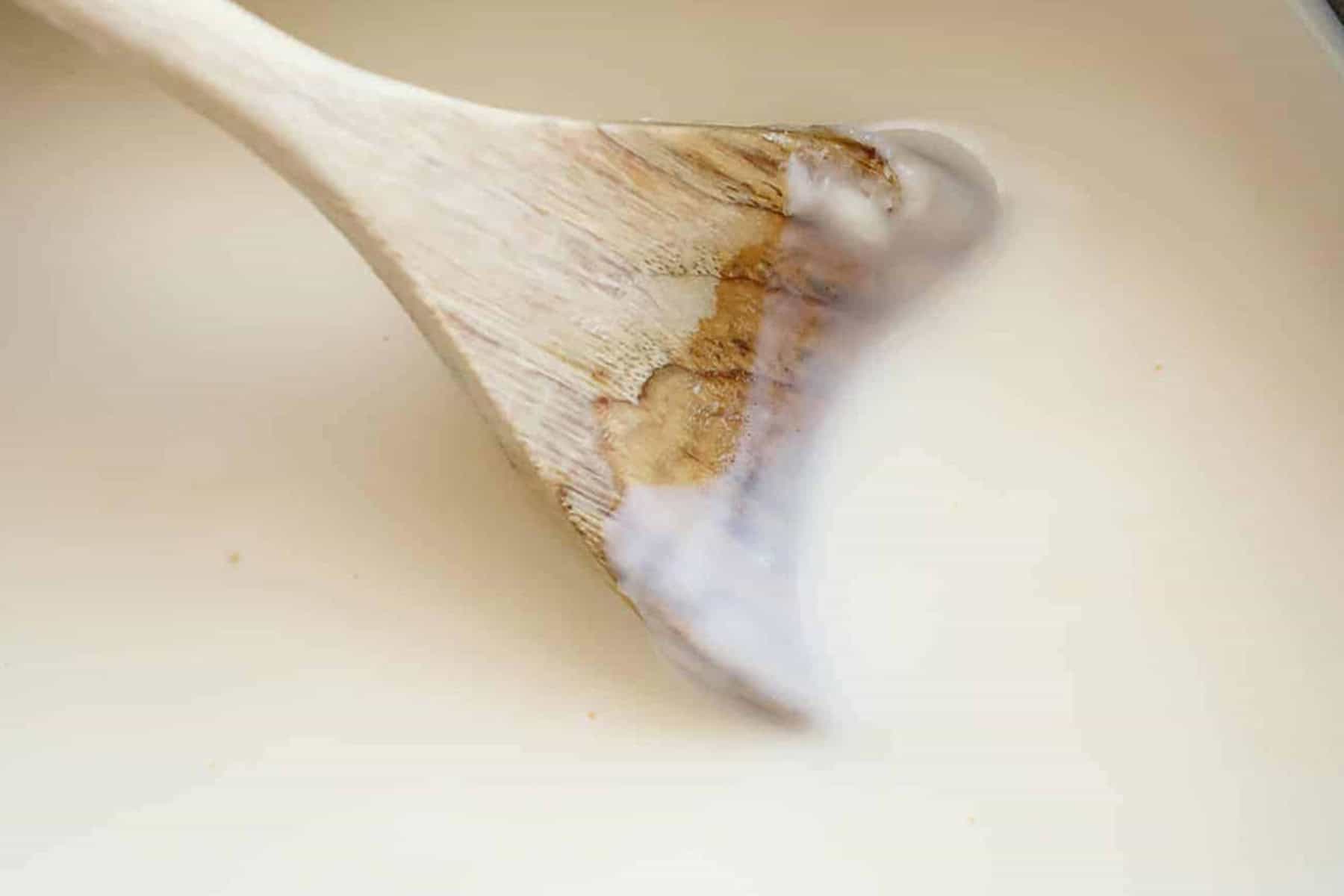
Micro Tip: When adding the milk to your butter and flour mixture, pour it in very slowly while whisking continuously over low heat to guarantee a lump-free sauce.
Which Lasagna Noodles Are Best?
I prefer using fresh pasta sheets from the refrigerator section of the grocery store, but dried lasagna noodles work perfectly fine. When creating each layer of noodles, the type you use changes how you need to manage the moisture in the dish:
- How to Store Cooked Pasta: Once cooked, carefully transfer each sheet into a large bowl filled with cool water until you are ready to assemble. You can do this while the meat sauce is simmering. This stops the cooking process immediately and prevents the pasta from drying out.
- No-Cook or Instant Noodles: I normally add about 1/2 cup of water to the meat sauce so the pasta has enough liquid to cook through while baking.
- Pre-Boil Pasta Sheets: Follow the packet instructions, but add a couple of tablespoons of olive oil to the boiling water so they do not stick together.
How to Layer Lasagna
When you are building the dish, the most crucial part is how you finish the top. You want your final layers to go in this exact order:
- Pasta
- Meat sauce
- Mozzarella cheese
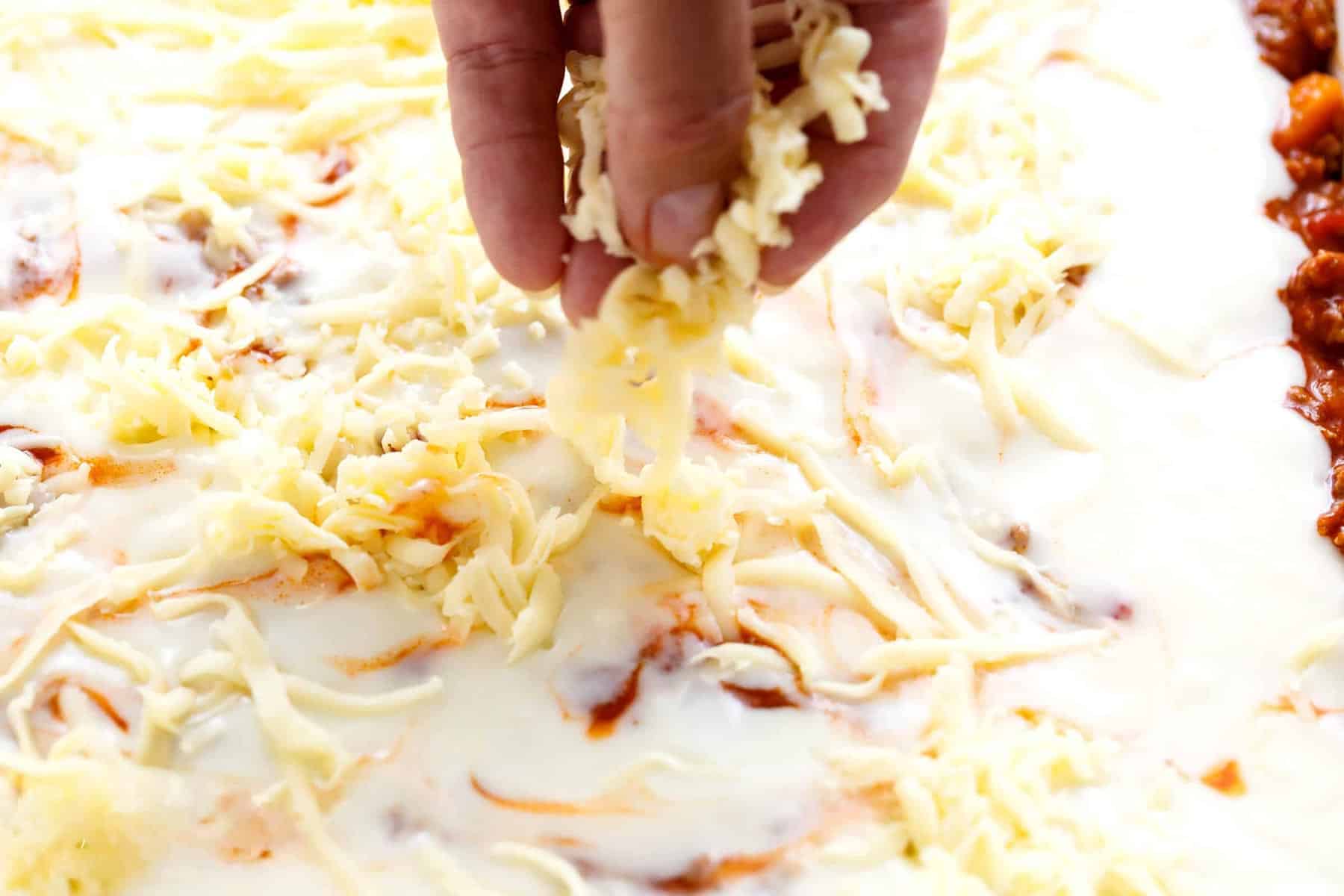
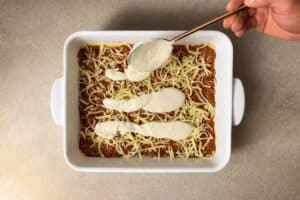
My mom’s secret for this lasagna is adding the White sauce (Béchamel) at the end. Of course, you can layer your lasagna in that way, but be careful. A lot of sauce can make the lasagna gooey.
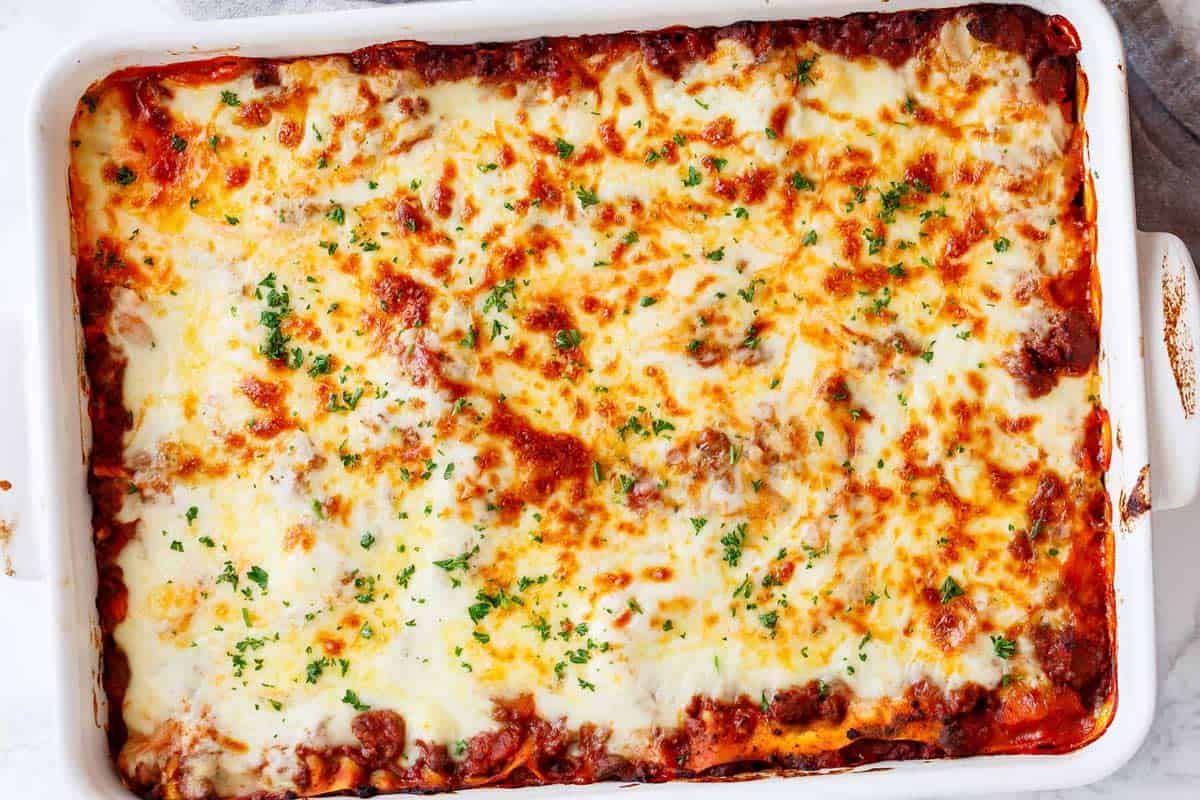
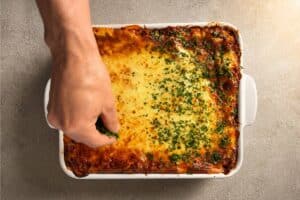
Baking it in that specific order results in a beautifully golden, crunchy, and cheesy top with a layer of juicy meat sauce bubbling right underneath.
My Top Tips For The Perfect Layers
After making this recipe countless times, I have picked up a few crucial tricks that make a massive difference in how the final dish turns out.
- Protect your oven: Always place your baking dish on a large foil-lined baking sheet before putting it in the oven. This lasagna gets extremely bubbly, and if your pan is not quite deep enough, the meat sauce will spill over the edges and smoke at the bottom of your oven.
- Trim the pasta: If you are using fresh pasta sheets, grab a pair of kitchen scissors and trim them to fit your dish exactly. Overlapping them by more than half an inch creates dense, chewy pockets of dough that will not cook evenly.
- Watch the white sauce: Your parmesan béchamel will continue to thicken even after you take it off the stove. Pull it off the heat as soon as it coats the back of a wooden spoon. If you cook it on the stove until it looks like a thick paste, you will have a hard time spreading it evenly over the meat layers.
- The most important rule: You absolutely have to let it rest. I know it is tempting to slice right into it when it comes out bubbling and golden, but if you do not give it at least 15 to 20 minutes on the counter, the hot sauces will slide everywhere and ruin those beautiful layers. I promise it will still be piping hot when you serve it!
What To Serve With Lasagna
I like to keep the side dishes for lasagna pretty simple. You want something that complements the heavy meat sauce without weighing you down.
- Garlic Bread: You absolutely need something to soak up the leftover sauce on your plate. A warm batch of buttery pulled-apart bread or some artisan garlic rolls will always be a hit.
- A Crisp Salad: A fresh salad cuts right through the richness of the cheese and béchamel. I usually throw together a simple green salad dressed with a sharp vinaigrette, or a crunchy salad loaded with croutons and a creamy dressing.
- A Warm Starter: If I am hosting a big Sunday dinner, I love to start the meal with a warm appetizer. Serving a small bowl of creamy sausage and potato soup sets the mood perfectly before you bring out the main event.
More Ways To Enjoy These Flavors
Once you have mastered my mom’s recipe, you might want to switch things up. I love playing around with these same flavors during the week. If you are watching your carbs, you can easily swap the pasta for a low carb alternative using cabbage leaves. You can also try adding a fall twist with a beef and pumpkin base or swap the red meat for a creamy chicken and ricotta blend between the noodles. If you want the exact same taste without all the layering, you can let your slow cooker do the work with a lasagna soup or a hearty batch of slow cooker bolognese. For a lighter dinner, I will often do a lasagna burrito for something totally different.
Recipe FAQ’s
The real secret is taking the time to slow-cook your meat sauce and swapping out the standard ricotta for a homemade parmesan white sauce. Simmering the beef and pork ragù develops a deep flavor that a quick tomato sauce just cannot compete with. The creamy béchamel then melts right into the pasta sheets, binding all the layers together so your slices hold their shape perfectly when you cut into them.
In authentic Italian recipes, béchamel is used instead of ricotta cheese. It acts as a silky, creamy binding layer that adds incredible moisture to the dish. That moisture is exactly what helps cook the fresh pasta sheets perfectly in the oven, giving the whole dish a rich texture without making it watery.
Yes, absolutely! Authentic Italian lasagna, especially from the Bologna region, relies heavily on a slow-cooked meat ragù. Instead of piling in multiple types of chunky vegetables or tons of different cheeses, traditional recipes focus on simply layering a robust, savory beef and pork sauce with fresh pasta and creamy béchamel.
You might also like

Get a free eBook!
Subscribe to Cafe Delites FOR FREE and receive recipes straight into your inbox!
Mama’s Best Lasagna
Ingredients
Meat Sauce:
- 1 tablespoon olive oil
- 1 onion finely chopped
- 1 carrot finely diced
- 4 cloves garlic cloves minced
- 24 ounces ground beef mince
- 10 ounces ground pork mince or beef
- 24 ounces Passata
- 14 ounces crushed tomatoes
- 3 tomato paste heaped tablespoons. I use garlic and herb flavoured.
- 2 beef bouillon cubes or vegetable, crushed
- 1 teaspoon dried oregano
- 1 teaspoon dried basil
- 1/2 teaspoon sugar if desired
- 1/4 teaspoon salt season to your tastes
- 1/4 teaspoon black pepper season to your tastes
White Sauce (Béchamel):
- 4 tablespoons butter
- 1/4 cup flour all purpose or plain
- 2 1/2 cups milk
- 1 cup shredded parmesan fresh
Lasagna:
- 13 ounces fresh lasagna sheets
- 17 ounces fresh mozzarella cheese shredded
- 2 tablespoons fresh parsley finely chopped
Instructions
Meat Sauce:
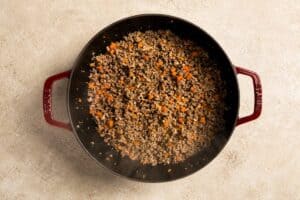
- Heat oil in a large pot over medium heat; sauté the onion and carrots for 8–10 minutes until softened, then stir in the garlic for 1 minute. Add the beef (and pork, if using) and cook while breaking it up with a spoon until browned.

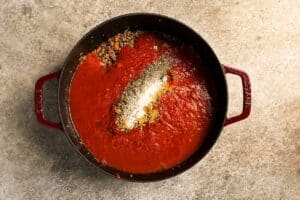
- Pour in the passata, crushed tomatoes, tomato paste, crushed bouillon, and dried herbs. Season with salt, pepper (about 3/4 tsp each), and optional sugar. Cover and cook at a gentle simmer for 20–30 minutes, stirring occasionally, until the meat is tender and the sauce thickens.
Parmesan White Sauce:
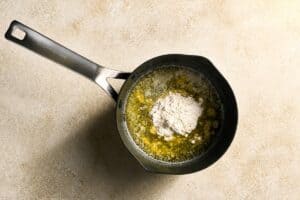
- In a large pot, melt butter over medium heat. Remove from hot plate; add the flour and whisk for about 30 seconds, or until well blended.
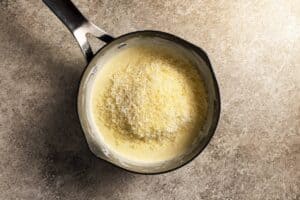
- Place pot back onto stove, reduce heat down to low and slowly whisk in 1 cup of the milk until well combined. Once well blended, add the remaining milk in 1 cup increments, mixing well after each addition, until all the milk is used and sauce is free from lumps. If the sauce is too thick, add a little more milk until it turns into a nice and creamy consistency.
- Add in the parmesan cheese and remove from heat. Season with salt and pepper and mix until the cheese is melted through.

To Assemble:
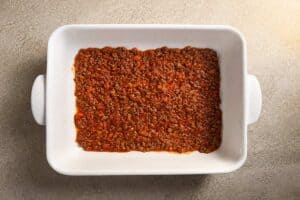
- Spoon about 1 cup of meat sauce onto the base of a 9×13-inch baking dish to prevent sticking and add flavor from the bottom up.
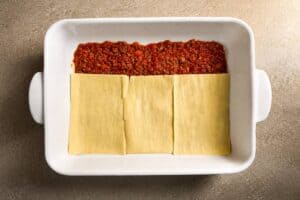
- Cover the meat sauce layer with lasagna sheets. (Trim the sheets to fit over the meat if needed).
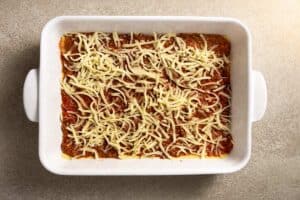
- Layer with 2 cups of meat sauce (or enough to cover the pasta), and add half of the mozzarella cheese. Repeat these layers, leaving the remaining cheese for the top.
- Pour the remaining meat sauce and the white sauce over the very last layer of lasagna sheets.
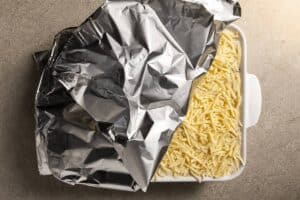
- Top with the remaining mozzarella cheese. Cover the lasagna (with aluminum foil) and bake for 40 minutes. After baking, uncover the lasagna and put it back in the oven for at least 10-12 minutes more, or until golden.
- Once beautifully golden and out of the oven, garnish with fresh parsley. Let it stand for about 10 minutes before slicing and serving. ENJOY!
Video
Notes
Make Ahead, Storage And Reheating
Lasagna is one of my favorite meals to prep in advance. I actually prefer assembling the whole dish a day before because it gives the flavors a chance to really meld together in the fridge overnight.- Make Ahead: Assemble the lasagna completely, cover it tightly with foil, and store it in the fridge for up to 24 hours before baking. When you are ready for dinner, bake it straight from the fridge. Just add about 15 extra minutes to your cooking time to make sure the cold center heats all the way through.
- Fridge: Keep any baked leftovers in an airtight container in the refrigerator for up to 4 days.
- Freezer: This freezes beautifully for up to 3 months. I highly recommend letting it cool completely, slicing it into individual portions, and wrapping each square in plastic wrap before putting them in a freezer bag. This makes pulling out a quick lunch or single dinner so much easier.
- Reheating: Let your frozen slices thaw in the fridge overnight. You can warm individual pieces in the microwave, or place them in an oven-safe dish covered with foil and bake at 350°F (180°C) until heated through. Covering it with foil prevents the pasta from drying out.
Nutrition
Nutrition information is automatically calculated, so should only be used as an approximation.










This recipe is now my favorite! I’ve made similar recipes before but this one is perfection. Thank you for sharing!!! I followed it but did put a little bit of the béchamel in my layers but did put the majority of top and it was perfect!
I’ve been making this recipe for large group camping (40-55 people), in Dutch ovens at the campfire since 2022, and people are STILL talking about how amazing it was/is! I prep the meat sauce and bechamel ahead and just assemble at the campground. I am really happy with the bechamel replacement for the more common ricotta (blech), and love the cheesiness. I use parchment liners for the Dutch ovens for super easy cleanup. It’s my favorite dish for Dutch oven coooing for a crowd, plus the love from everyone is a bonus!
Hi Armen! Thank you for sharing, sounds amazing! Xx
I’ve made this several times in the past, but I think the steps have changed? I only originally baked it for 40 minutes total and now it seems to be 80 minutes plus the additional 10? Has this been changed or did I accidentally just skip that step in the past? By the way, this is my absolute favorite lasagna ever!
Hi Jennifer, thank you so much for bringing this to my attention! This was a mistake when splitting out the steps. Its only cook for 40mins, then an additional 10 mins. I have fixed the post THANKYOU! Xx