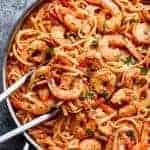
Creamy Tomato Garlic Butter Shrimp
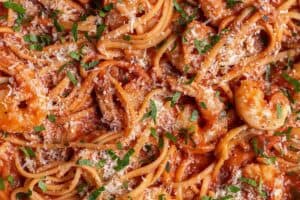
Linguini pasta gets a delicious make over with this 15-Minute Creamy Tomato Garlic Butter Shrimp! A quick and easy flavourful dinner in minutes!
Servings: 4
Ingredients
- 10 ounces linguini dry weight, or any pasta
- 1 yellow onion medium, diced
- 2 tablespoons butter or olive oil
- 6 cloves garlic minced
- 1 pound raw jumbo shrimp prawns, peeled and deveined
- 2 teaspoons dried basil
- 1 teaspoon salt divided
- 3 cup passata or marinara sauce
- 1/2 chicken bullion cube crushed, or 1 teaspoon stock powder
- 2 tablespoons fresh parsley
- 1 teaspoon ground black pepper divided
- 1 pinch granulated sugar
- 2/3 cup milk or half and half or heavy cream
- 1 handful parmesan cheese grated, to serve
- 1 pinch fresh parsley to serve
Instructions
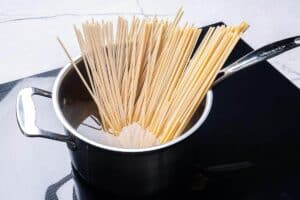
- Cook the pasta in a large pot of salted boiling water until al dente, according to package instructions. Before draining, reserve about 1 cup of pasta water, then drain and set aside. While the pasta cooks, prepare the shrimp and sauce.
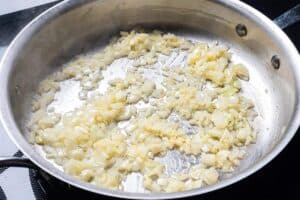
- Melt the butter in a large skillet over medium heat. Add the onion and cook until softened and transparent. Stir in the garlic and cook for about 30 seconds, just until fragrant.
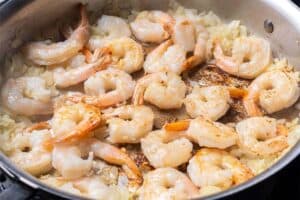
- Add the shrimp, basil, and 1/2 teaspoon salt. Cook for about 2 minutes on one side, then flip and cook for another minute.
- Pour in the marinara or passata, then add the crushed bouillon or stock powder, parsley, pepper, sugar, and remaining salt. Stir well and let the sauce heat through for about 1 minute. Reduce the heat to low and stir in the milk, half and half, or cream.
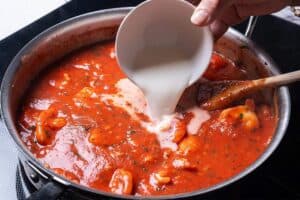
- Avoid letting the sauce boil hard once the dairy is added. Stir the drained pasta through the creamy tomato sauce and toss until evenly coated.
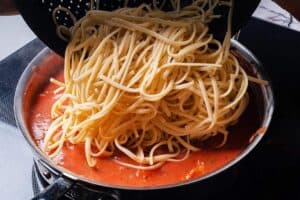
- If the sauce is thicker than you like, add a small splash of the reserved pasta water until it reaches the consistency you want. Taste and adjust the seasoning if needed.
Keep an eye on the garlic here. If it browns too much, it can turn bitter.
The shrimp does not need to be completely cooked through yet. It will finish cooking in the sauce, which helps keep it from turning rubbery.
Cook for another minute, or until the shrimps are opaque and cooked through. If you’re using marinara, taste the sauce before adding more salt since some jars are already quite seasoned.
Notes
Storage and Reheating
Store leftovers in an airtight container in the refrigerator within 2 hours of cooking. Cooked shrimp can become unsafe if it sits out too long because bacteria grow quickly at room temperature. I’d eat leftovers within 3 days. Reheat only the amount you plan to eat. Warm it gently in a skillet over low heat with a splash of milk, cream, or water, or microwave in short intervals until heated through. Try not to keep cooling and reheating the same batch. Each time food warms up and cools back down, it has another chance to spend too long at an unsafe temperature, and shrimp also gets tougher each time it’s reheated. If it has been left out for too long or you’re unsure how it was stored, it’s safer to throw it away. Happy cooking XxIf your raw shrimp smells strongly fishy or like ammonia, or feels unusually slimy, don’t cook with it. Fresh shrimp should have a mild smell, so when in doubt, throw it out.
Nutrition
Calories: 442kcal | Carbohydrates: 61g | Protein: 27g | Fat: 9g | Saturated Fat: 5g | Polyunsaturated Fat: 1g | Monounsaturated Fat: 2g | Trans Fat: 0.2g | Cholesterol: 163mg | Sodium: 1.415mg | Potassium: 442mg | Fiber: 3g | Sugar: 5g | Vitamin A: 645IU | Vitamin C: 6mg | Calcium: 163mg | Iron: 2mg