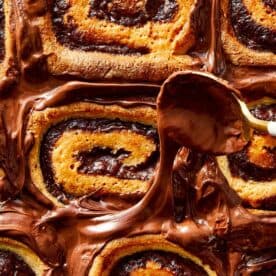
Nutella Rolls Recipe
How to make Nutella Rolls with a soft homemade dough and rich Nutella filling. Easy, simple, and perfect for a homemade sweet treat.
Servings: 12 rolls
Ingredients
Dough
- 1 cup milk warmed to 110°F (44°C)
- 2 1/4 tsp active dry yeast
- 2 large eggs room temperature
- 4 1/2 cups all-purpose flour
- 1 tsp salt
- 1/4 cup granulated sugar
- 10 tbsp unsalted butter room temperature and cubed
Filling
- 1 1/4 cups Nutella
Topping
- 1/2 cup melted nutella extra, optional
Instructions
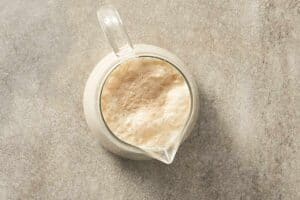
- Heat the milk until it reaches 110°F. Stir in the yeast and 1/2 tbsp sugar, then let it sit for 10 minutes until foamy.
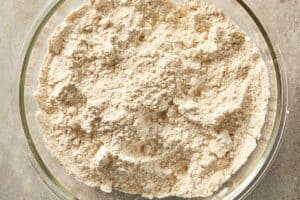
- In a large mixing bowl, sift the flour, then add salt and sugar. Add the cubed butter and work it in until it resembles small pea-sized pieces.
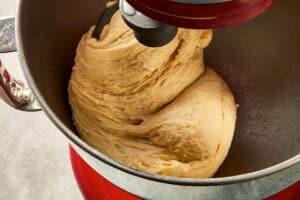
- Lightly beat the eggs, then add them along with the yeast mixture into a stand mixer. Mix with a dough hook on low speed until the dough forms, then increase to medium and knead for 5 minutes.
- Place the dough in a greased bowl, cover, and let it rise in a warm oven (turned OFF) for about 1 hour, or until doubled.
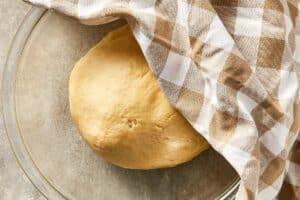
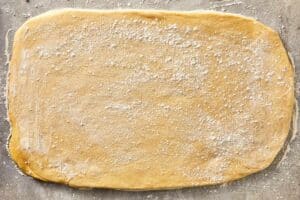
- Turn the dough onto a lightly floured surface and roll it into a rectangle about 1/4 inch thick.
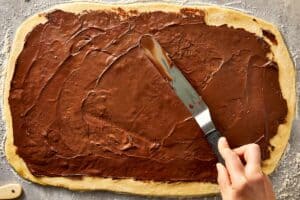
- Warm the Nutella for about 15 seconds, then spread it evenly over the dough.
- Roll the dough from the short side into a log, then cut into 12 rolls using a serrated knife or dental floss.

- Place the rolls in a greased 9x13-inch pan, cover, and let rise again for 30 minutes to 1 hour.
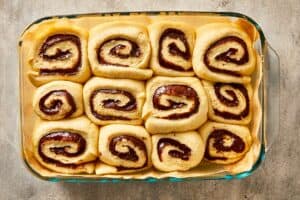
- Bake at 375°F for 23–27 minutes until lightly golden brown.
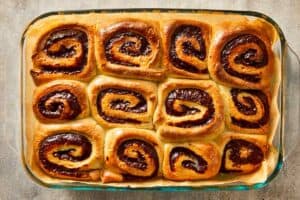
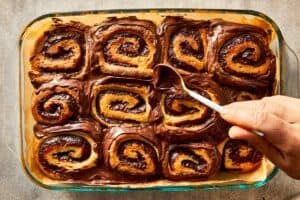
- Spread or drizzle melted Nutella over the warm rolls.
If it doesn’t foam, the yeast isn’t active and the dough won’t rise.
If it looks sticky, give it a minute before adding more flour, it usually comes together on its own.
Floss works best, it cuts clean without squishing the layers.
They should look slightly puffed before going into the oven.
Video
Notes
This recipe is pretty forgiving, but a few small details can change how the rolls turn out.
Making the dough from scratch gives you more control over the texture. It might feel like an extra step, but it’s what keeps the rolls soft without turning dense or dry.
The milk temperature is one of the most important parts at the beginning. You’re aiming for around 110°F (43–44°C). If it’s too hot, it can kill the yeast, and if it’s too cool, the dough will take much longer to rise.
The flour also makes a difference here. If you can, weigh it (562 g) instead of using cups. It helps keep the dough consistent and prevents it from turning too dry.
Butter should be soft at room temperature, not melted. When you mix it into the flour, it creates a better texture in the dough and helps keep the rolls tender after baking.
The Nutella is what makes these different, so how you handle it matters. Slightly warming it helps it spread evenly, but if it’s too runny, it can start leaking out as you roll the dough.
The rise time is one of the most important parts. If the dough hasn’t fully doubled, the rolls won’t have the same texture after baking.
A few extra things to keep in mind:
- The dough should feel soft before rising. If it feels too firm, the rolls will bake up heavier
- If the dough sticks a little, that’s normal. Adding too much flour is what usually makes them dry
- The filling will shift slightly as you roll, that’s okay as long as it’s mostly even
- The rolls will continue to set slightly after coming out of the oven
- They reheat well and soften again with a few seconds in the microwave
If you want them extra soft, let the rolls sit for about 5–10 minutes after baking before adding the Nutella on top. They’ll finish setting inside, and the heat will melt the Nutella just enough to spread smoothly without making the tops too messy.
Nutrition
Calories: 585kcal | Carbohydrates: 72g | Protein: 10g | Fat: 28g | Saturated Fat: 22g | Polyunsaturated Fat: 1g | Monounsaturated Fat: 4g | Trans Fat: 1g | Cholesterol: 64mg | Sodium: 237mg | Potassium: 293mg | Fiber: 4g | Sugar: 31g | Vitamin A: 471IU | Vitamin C: 0.002mg | Calcium: 92mg | Iron: 4mg